
1. Curtain Bangs Long Wolf Cut Ideas for Face-Framing Drama

Curtain bangs split down the middle and sweep away from the face. Paired with a wolf cut, they soften sharp layers and add a frame around your cheekbones. This combo works on almost every face shape. You can grow out regular bangs into curtain bangs over a few weeks. A round brush and a blow dryer on low heat will train them to sweep outward. Budget tip: skip the salon blowout kit. A $15 round brush from any drugstore does the job. If you want a DIY trim, only snip the very ends while your bangs are dry, never wet, since hair shrinks as it dries. Trim in small sections and check length often. This style pairs well with long face-framing pieces left slightly longer than the bangs for extra dimension. It also works with minimal daily styling since the layers already carry natural movement. A light texturizing spray keeps the shape without stiffness. This is one of the easiest wolf cut variations to maintain between salon visits.
2. Shaggy Layers for Effortless Texture

Shaggy layers are the backbone of every wolf cut. They start short near the crown and get longer toward the ends, creating built-in volume without extra product. This texture works on straight, wavy, and curly hair alike. At home, you can add texture with a texturizing spray and a light scrunching motion while hair air dries. Budget tip: a sea salt spray under ten dollars gives the same tousled look as expensive salon sprays. Avoid brushing shaggy layers smooth, since brushing removes the separation that makes this cut look full. Instead, use your fingers to rake through hair after applying product. If your ends look too blunt, ask your stylist for point cutting, a technique that removes bulk without changing length. This keeps the shag soft rather than choppy. Shaggy layers also hide split ends better than one-length hair, so you can stretch time between trims. This is a practical choice for anyone who wants low effort styling with a high volume payoff.
3. Feathered Wolf Cut for Soft Movement
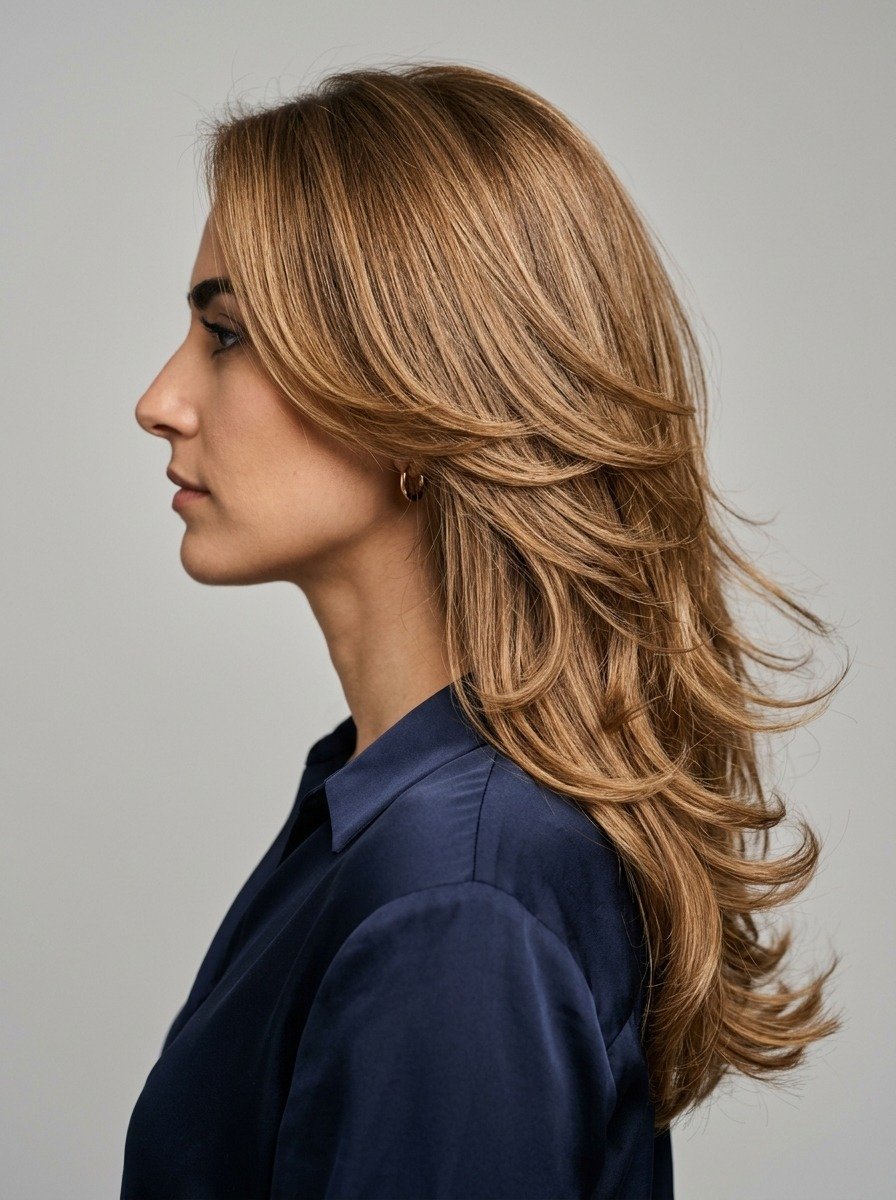
Feathered layers flip slightly outward at the ends instead of falling straight down. This adds lift and softness compared to choppier wolf cut versions. It works well for fine hair that needs help holding shape. To feather your ends at home, use a round brush and dry hair in sections, rolling the brush outward at the tips. Budget tip: an old-school round brush works better than expensive hot tools for this effect and costs under ten dollars. Feathered layers look best with a light hold mousse applied to damp hair before drying. Avoid heavy waxes or pomades, which weigh down the flip. This version of the wolf cut suits office settings and everyday wear since it looks polished rather than undone. If you have layers already cut in, you can refresh the feathered shape every morning in under five minutes. Pair it with a middle or slight side part to keep the face-framing pieces moving in the same direction as the rest of the style.
4. Choppy Ends for Bold Edge
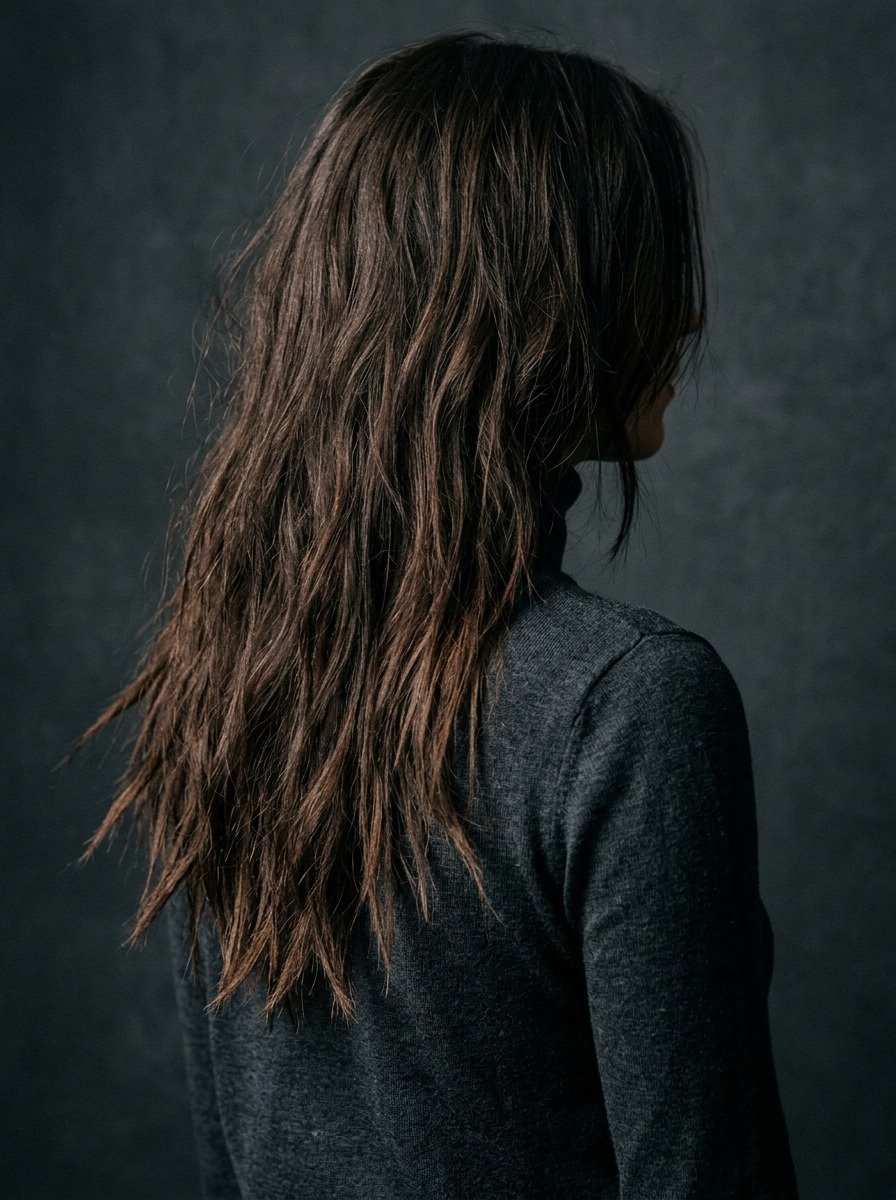
Choppy ends give the wolf cut its rebellious reputation. Instead of blunt, even lines, the ends are cut at different lengths and angles. This creates a rougher, more textured finish. It suits anyone who wants their hair to look intentionally undone. At home, you can fake choppy ends temporarily with a texturizing spray and a flat iron used to create slight bends rather than straight strands. Budget tip: point cutting shears run around twenty dollars online if you want to try light DIY texturizing between salon visits, though major cuts should stay with a professional. Choppy ends pair naturally with darker hair colors since the layers show more contrast and depth. If your hair is thin, ask your stylist to keep the choppiest layers near the bottom rather than the crown, which prevents the style from looking sparse on top. This wolf cut variation photographs well because the texture catches light unevenly, giving a lived-in, editorial feel without much daily effort.
5. Curly Wolf Cut for Natural Volume

Curly hair already has volume, and the wolf cut works with that instead of against it. Shorter layers near the crown let curls spring upward while length stays intact at the bottom. This prevents the pyramid shape that often happens with one-length curly hair. Use a curl cream on wet hair and scrunch upward to encourage shrinkage and bounce. Budget tip: a five dollar bottle of flaxseed gel works as well as pricier curl products for hold without crunch. Avoid brushing curly hair when dry, since this breaks curl clumps and creates frizz. Instead, detangle only in the shower with conditioner. Diffusing on low heat speeds up drying while keeping curl shape intact. This wolf cut version reduces the overall bulk that many curly-haired people struggle with, making hair feel lighter on the scalp. Ask your stylist to cut curls dry, not wet, since curls shrink unevenly and a wet cut can result in uneven length once curls fully dry.
6. Straight Wolf Cut with Blunt Layers
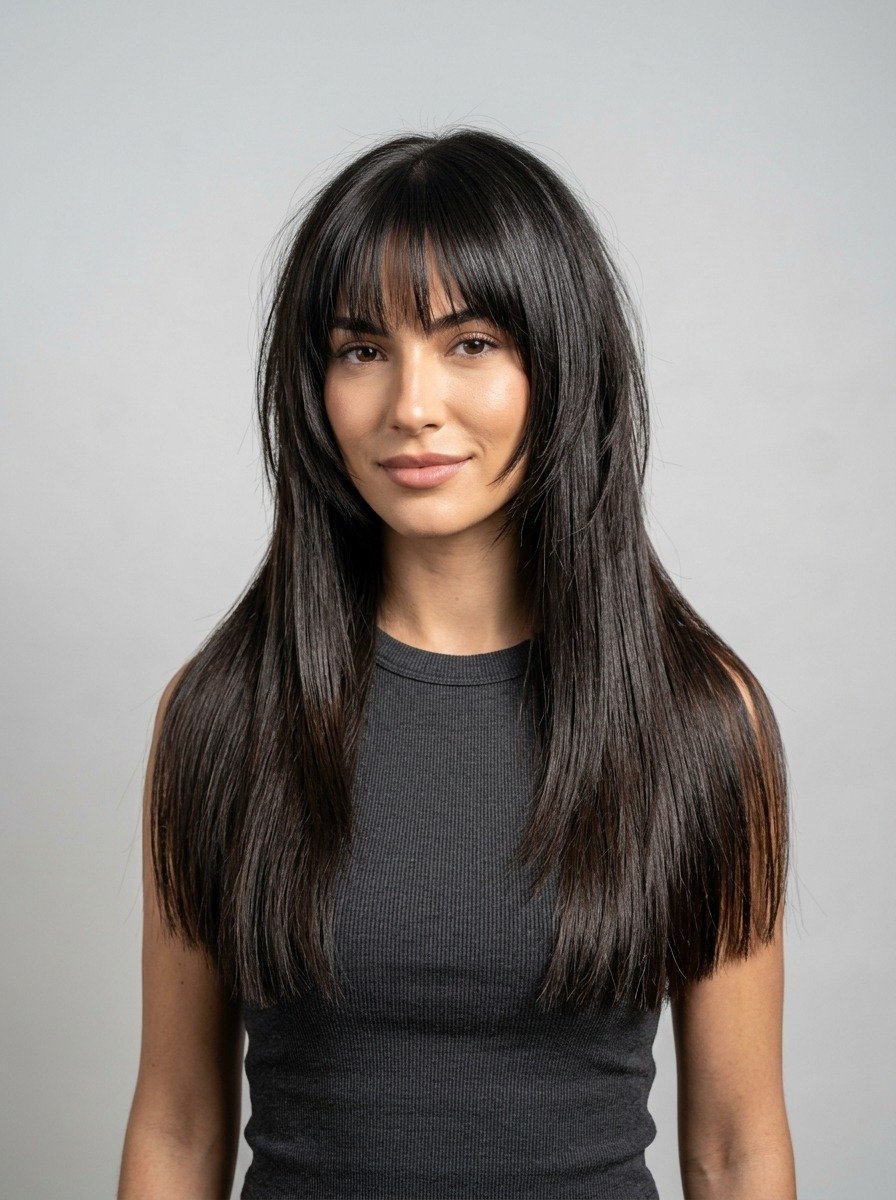
Straight hair can look flat in a regular long cut, but a wolf cut adds shape through blunt, well-defined layers. Each section ends cleanly rather than fading into the next, giving straight hair a graphic, structured look. A flat iron with rounded edges helps bend the ends slightly inward or outward for extra shape. Budget tip: a heat protectant spray under ten dollars prevents damage from repeated flat ironing, which matters since straight styling often needs more heat tools than curly or wavy hair. Avoid over-washing, since straight hair shows oil buildup faster and can lose the crisp layer definition. Dry shampoo between washes keeps roots looking fresh. This wolf cut variation suits anyone who prefers polished, sleek styling over undone texture. It photographs cleanly for professional settings while still carrying the volume benefits of the wolf cut shape. Ask your stylist for a razor cut finish on the ends if you want subtle texture without losing the overall blunt, structured line.
7. Short Wolf Cut Bob Hybrid

For those not ready to commit to a full long cut, the wolf bob shortens the overall length while keeping the shaggy layering. It sits around the shoulders or slightly above, with the same short crown layers that define a classic wolf cut. This version suits people who want the trend without a long grow-out period. Style it with a texturizing spray and scrunch dry for a lived-in finish. Budget tip: a diffuser attachment for your existing blow dryer costs under fifteen dollars and adds volume without extra tools. Avoid flat-ironing this cut completely straight, since the shorter length combined with straight styling can lose the wolf cut’s signature shape. This hybrid works well for thick hair that feels heavy at longer lengths, since shorter layers remove weight from the bottom. It also grows out gracefully into a longer wolf cut later, making it a flexible transitional style. Ask for face-framing layers left slightly longer to balance the shorter overall length.
8. Long Wolf Cut with Money Piece Highlights
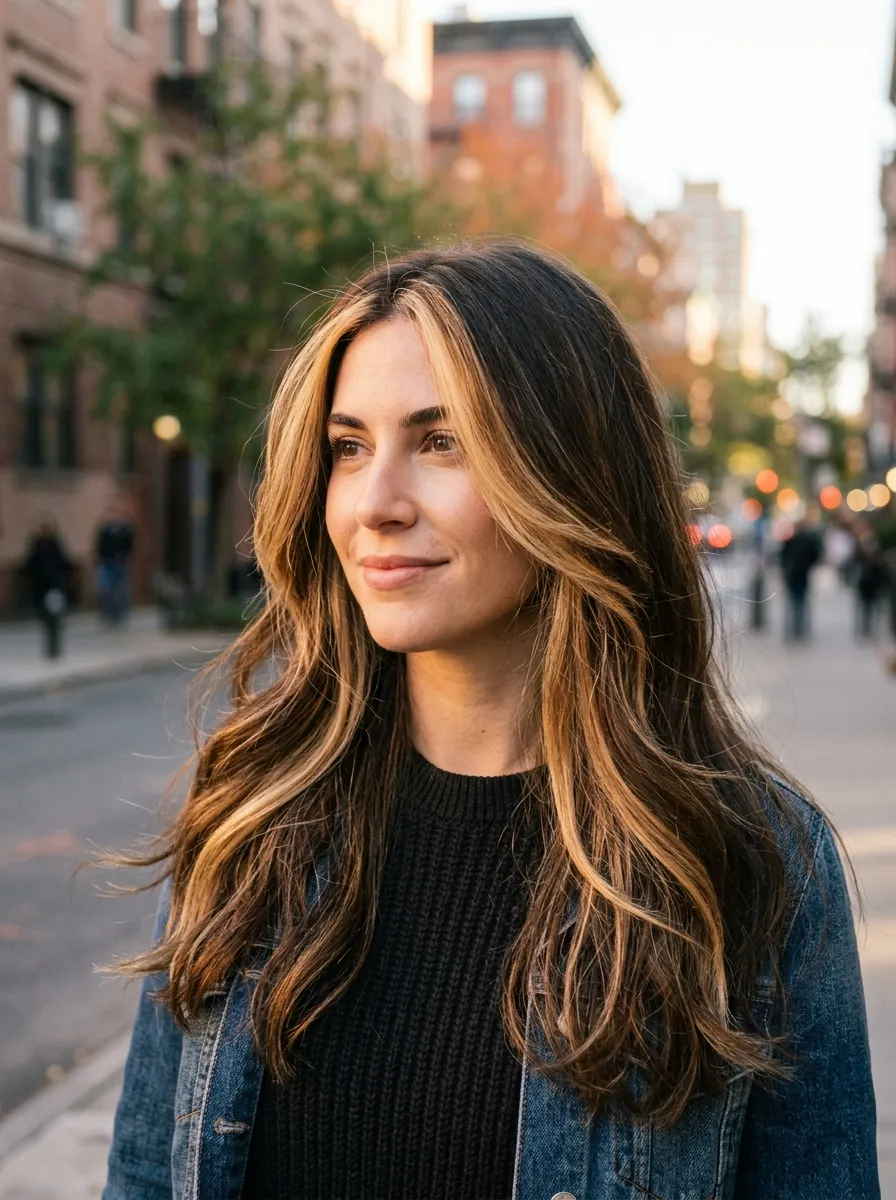
Money piece highlights brighten the two face-framing sections near the front while leaving the rest of the hair a natural color. Combined with a wolf cut, this draws attention to the layers around your face and adds dimension to the overall shape. At home, box highlight kits exist, but this technique works best with a professional to avoid uneven color. Budget tip: ask your salon for a partial highlight service instead of a full head, which usually costs half the price and achieves the same face-framing effect. Maintain the color with a purple shampoo used once a week to prevent brassiness, which costs around twelve dollars and lasts several months. Avoid over-washing highlighted sections, since frequent washing fades color faster. This combination suits anyone wanting a subtle color update without committing to an all-over dye job. The lightness at the front also makes shorter wolf cut layers stand out more, since the contrast highlights their movement and shape.
9. Wolf Cut with Micro Bangs

Micro bangs sit short and blunt, usually above the eyebrows, and pair with a wolf cut for a bold, statement-making combination. This is a dramatic choice, but it suits people who want their haircut to stand out immediately. Trim micro bangs only with sharp shears meant for hair, never regular scissors, since dull blades cause split ends. Budget tip: a five dollar pair of hair-cutting shears from a beauty supply store outperforms kitchen scissors for clean bang lines. Style with a small round brush and low heat to keep bangs from looking flat against the forehead. Avoid heavy oils near the hairline, since bangs show grease faster than the rest of your hair. This pairing works especially well on those with an oval or long face shape, since the short bang line shortens the appearance of the forehead. If you are unsure about commitment, ask your stylist about clip-in micro bangs first, which let you test the look before cutting your real hair.
10. Wispy Wolf Cut for Fine Hair
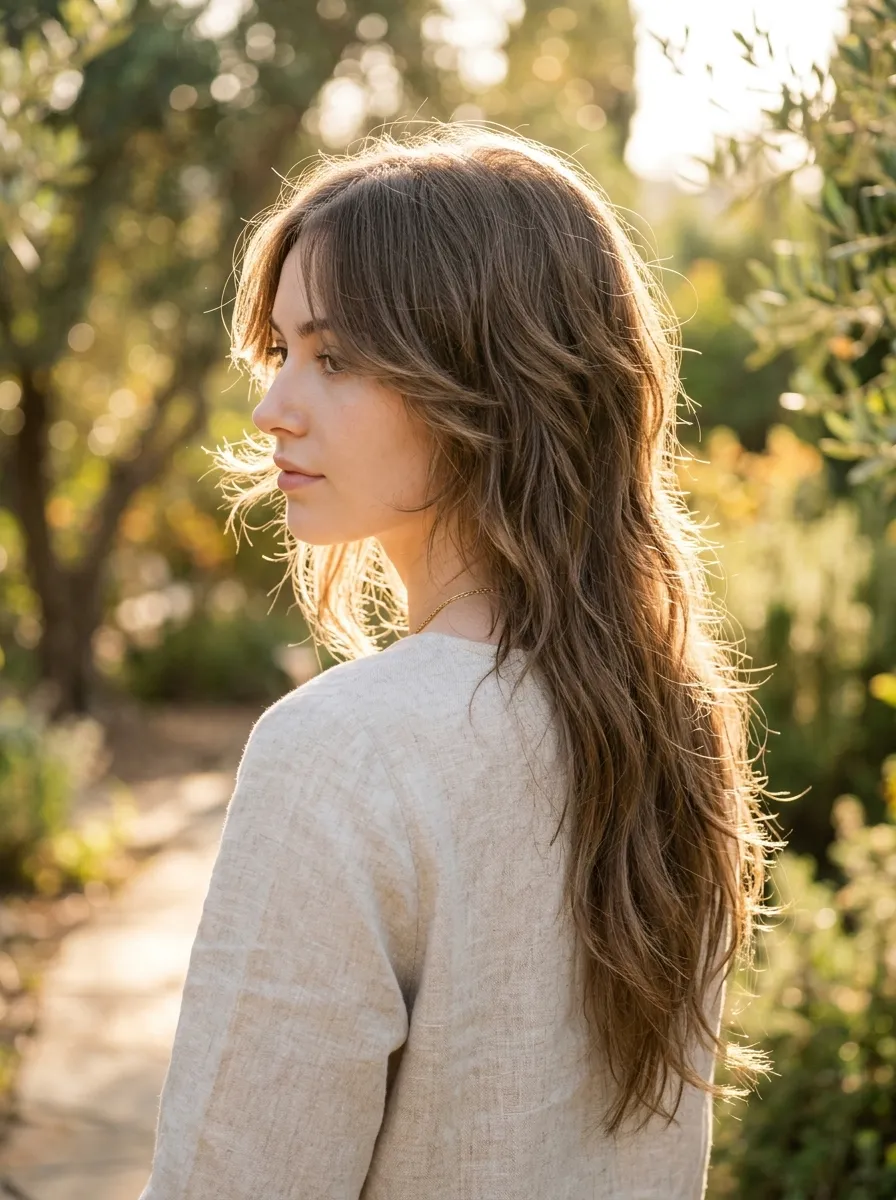
Fine hair often struggles to hold volume, but a wispy wolf cut solves this by keeping layers light rather than heavy or blunt. Thin, feathered pieces around the face create movement without dragging hair down. A volumizing mousse applied at the roots before blow drying upside down adds lift that lasts through the day. Budget tip: a ten dollar root-lifting spray works as well as premium volumizing lines for fine hair. Avoid heavy conditioners on the roots, since they can flatten fine strands; instead, apply conditioner only from mid-length to ends. This wolf cut version keeps layers shorter near the crown but not too choppy, since overly aggressive layering can make fine hair look thin rather than full. Dry shampoo at the roots between washes adds texture and grip that fine hair typically lacks. This style suits anyone who wants volume without teasing or heavy styling products weighing hair down by midday.
11. Wolf Cut with Balayage for Depth
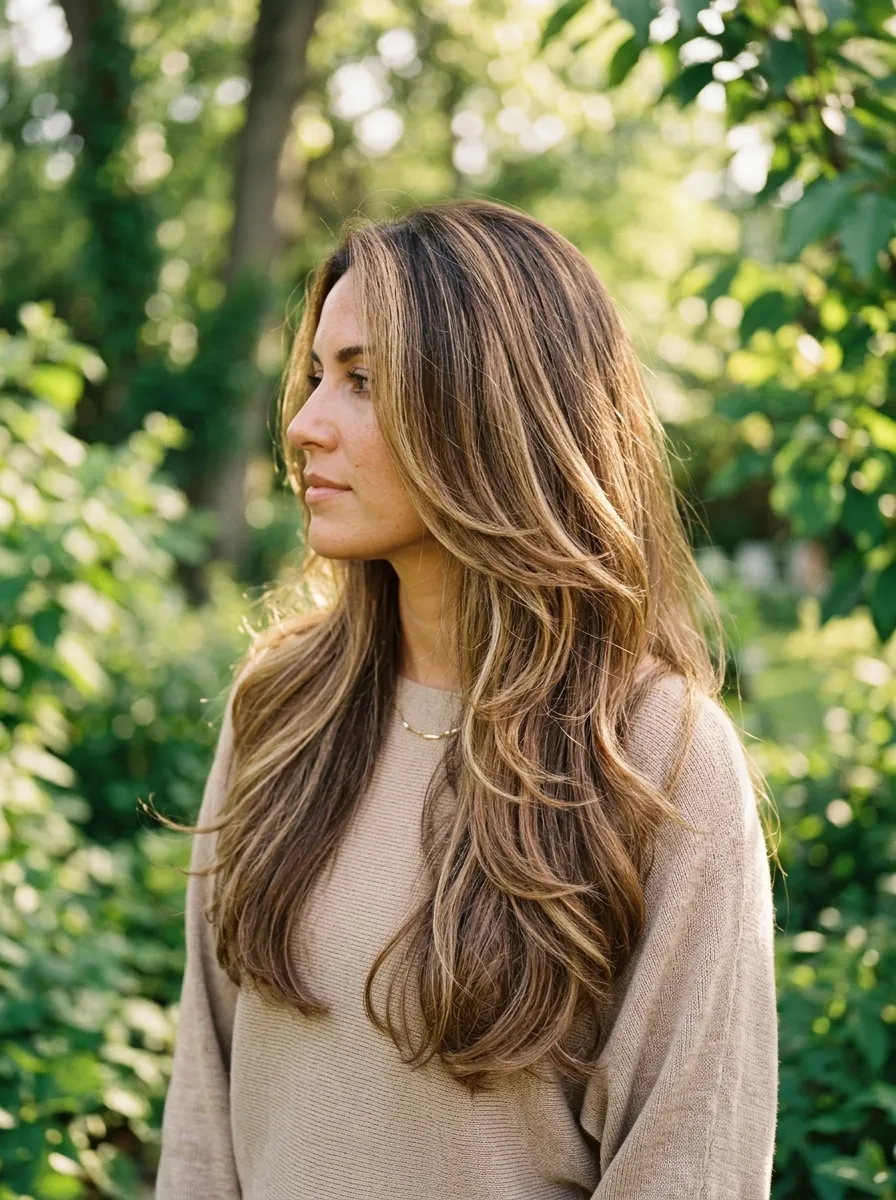
Balayage paints color onto the hair in a hand-swept technique, creating soft, natural-looking dimension rather than harsh stripes. Combined with a wolf cut, the color shift highlights each layer’s movement, making the shag texture more visible. This technique grows out gently since there is no harsh line at the root, so touch-ups can happen every three to four months instead of every six weeks. Budget tip: ask for a partial balayage covering just the top layers instead of a full head application, cutting the cost significantly. Use a color-safe shampoo to protect the tone, which typically costs a few dollars more than regular shampoo but extends color life. Avoid hot showers, since heat strips color faster than lukewarm water. This combination works on both light and dark base colors, making it accessible for most hair types. The soft blending of balayage pairs naturally with the choppy, uneven layers of a wolf cut, since both techniques rely on gradual transitions rather than sharp lines.
12. Wavy Wolf Cut Beach Vibes
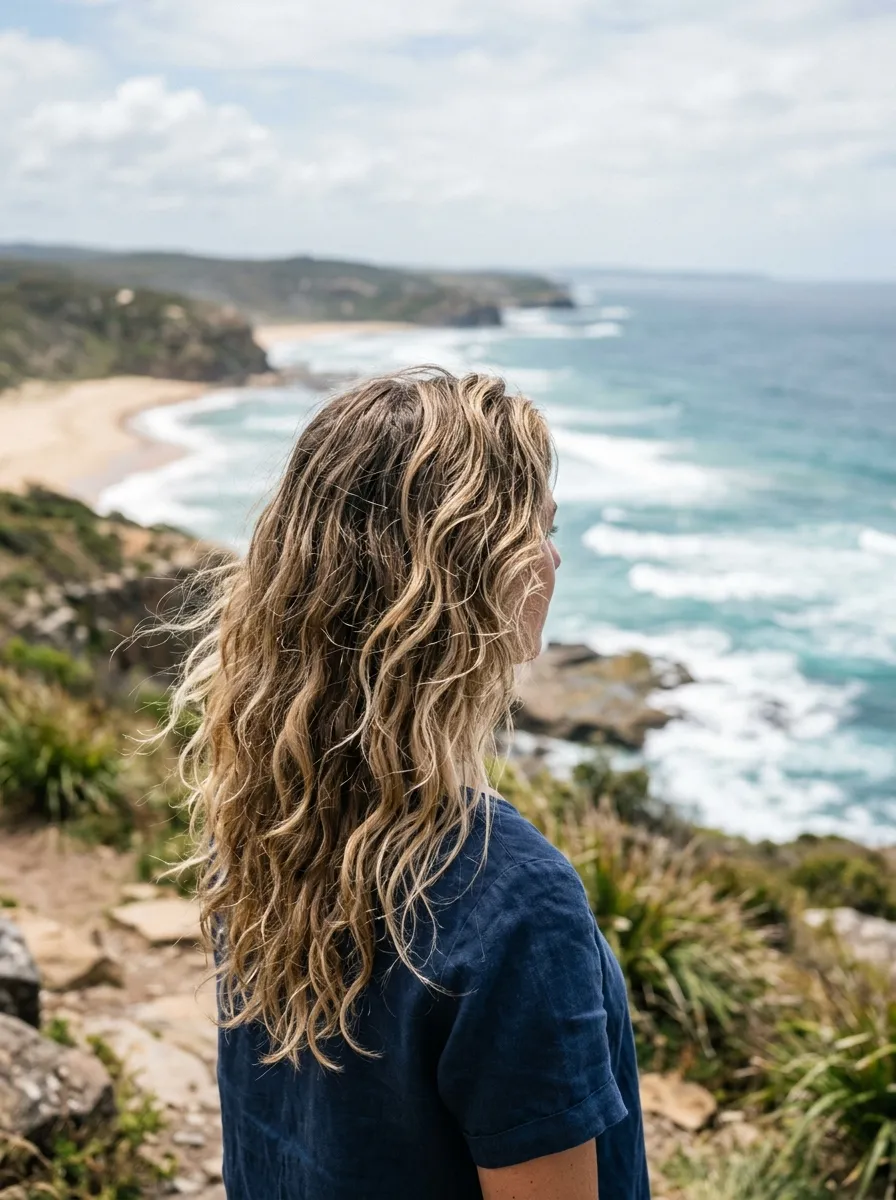
Loose waves paired with a wolf cut create a relaxed, beach-inspired look that works for casual and everyday settings. The layers help waves fall with more shape instead of one heavy mass. A texturizing spray on damp hair before scrunching brings out natural wave patterns without a curling iron. Budget tip: a sea salt spray under eight dollars replicates beach texture without sun or saltwater damage. If you want more defined waves, braid damp hair overnight and unravel it in the morning for a heatless option. Avoid brushing waves once dry, since this can turn defined waves into frizz; use fingers instead. This wolf cut variation looks effortless and requires minimal daily maintenance since the layers already add shape to the wave pattern. It suits warmer climates and casual lifestyles particularly well. Refresh second-day waves with a light mist of water and a small amount of leave-in conditioner scrunched through the ends.
13. Wolf Cut with Undercut Layers
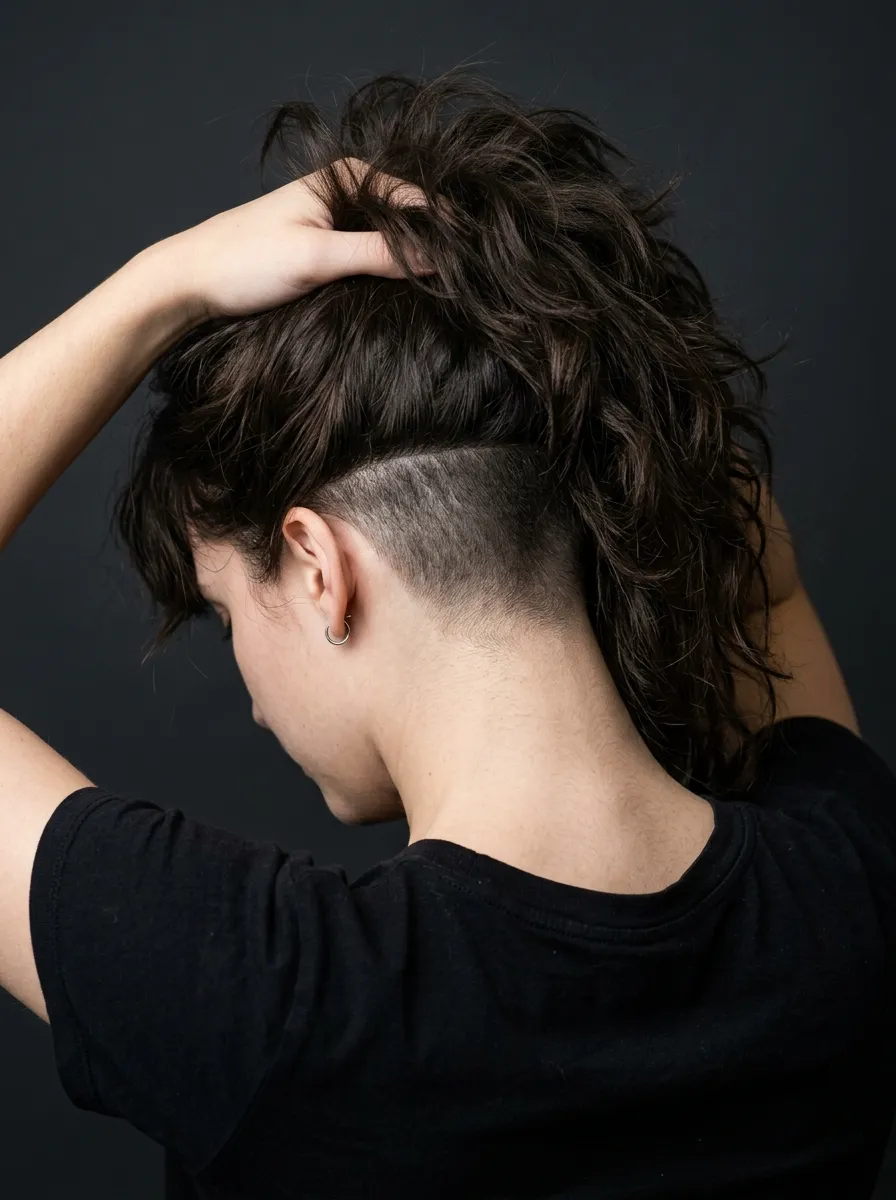
An undercut hidden beneath the top layer of hair adds a bold edge without being visible in everyday styling. This works well with a wolf cut since the shaggy top layers naturally cover the shorter section underneath. It suits people who want an edgy detail they can reveal only when they choose, such as pulling hair into a ponytail. Budget tip: this cut typically only affects a small section of hair, so it costs less than a full undercut and grows out faster if you change your mind. Style normally on top, and simply flip or clip hair up to display the undercut when desired. Avoid over-thinning the top layer, since it needs enough coverage to hide the shorter section underneath during regular wear. This combination works especially well for people wanting a subtle rebellious touch for professional environments that may not allow visible drastic haircuts. It also adds texture and reduces bulk for anyone with particularly thick or heavy hair.
14. Grunge-Inspired Wolf Cut

The grunge wolf cut leans into imperfection, with deliberately messy layers and minimal smoothing. It draws from nineties rock styling, mixing choppy ends with visible root volume. To achieve this at home, apply a texturizing paste to dry hair and rough it up with your fingers rather than a brush. Budget tip: a small tin of texturizing paste under ten dollars lasts for months since only a small amount is needed per use. Avoid smoothing serums or shine sprays, since this style relies on a matte, undone finish rather than glossy strands. Backcombing small sections at the crown adds extra root lift for a more dramatic effect. This wolf cut variation pairs naturally with darker hair colors or subtle two-tone dye jobs, since darker shades enhance the raw, textured look. It suits anyone wanting a low-fuss daily routine, since the messier the style looks, the more it fits the intended aesthetic. A five minute finger-styling routine is often all this cut needs each morning.
15. Wolf Cut with Side-Swept Bangs
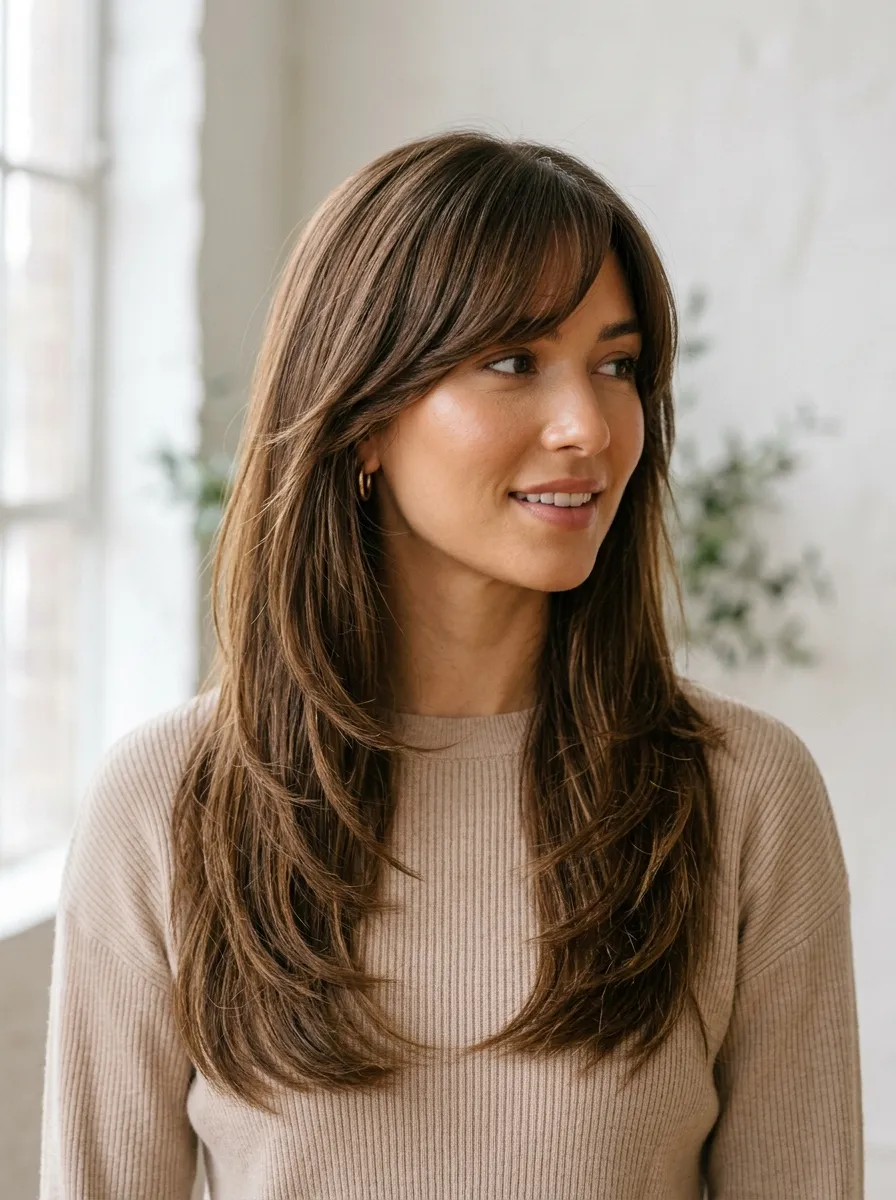
Side-swept bangs angle across the forehead instead of falling straight down, softening the face and blending naturally into a wolf cut’s longer layers. This style suits those who want bangs without the commitment of a full fringe. Blow dry bangs with a round brush, pulling them across the forehead in the direction you want them to sit. Budget tip: a travel-size round brush under ten dollars works fine for this small section of hair. Avoid parting hair in the exact center if you want side-swept bangs to lay naturally, since a strong center part fights against the sweeping direction. This wolf cut version suits rounder face shapes especially well, since the angled bangs create a slimming line down one side of the face. A light-hold hairspray keeps bangs in place through humidity or wind. This combination requires less trimming than blunt bangs since the angled shape naturally grows out with fewer awkward stages, making it a practical low-maintenance option.
16. Two-Tone Wolf Cut
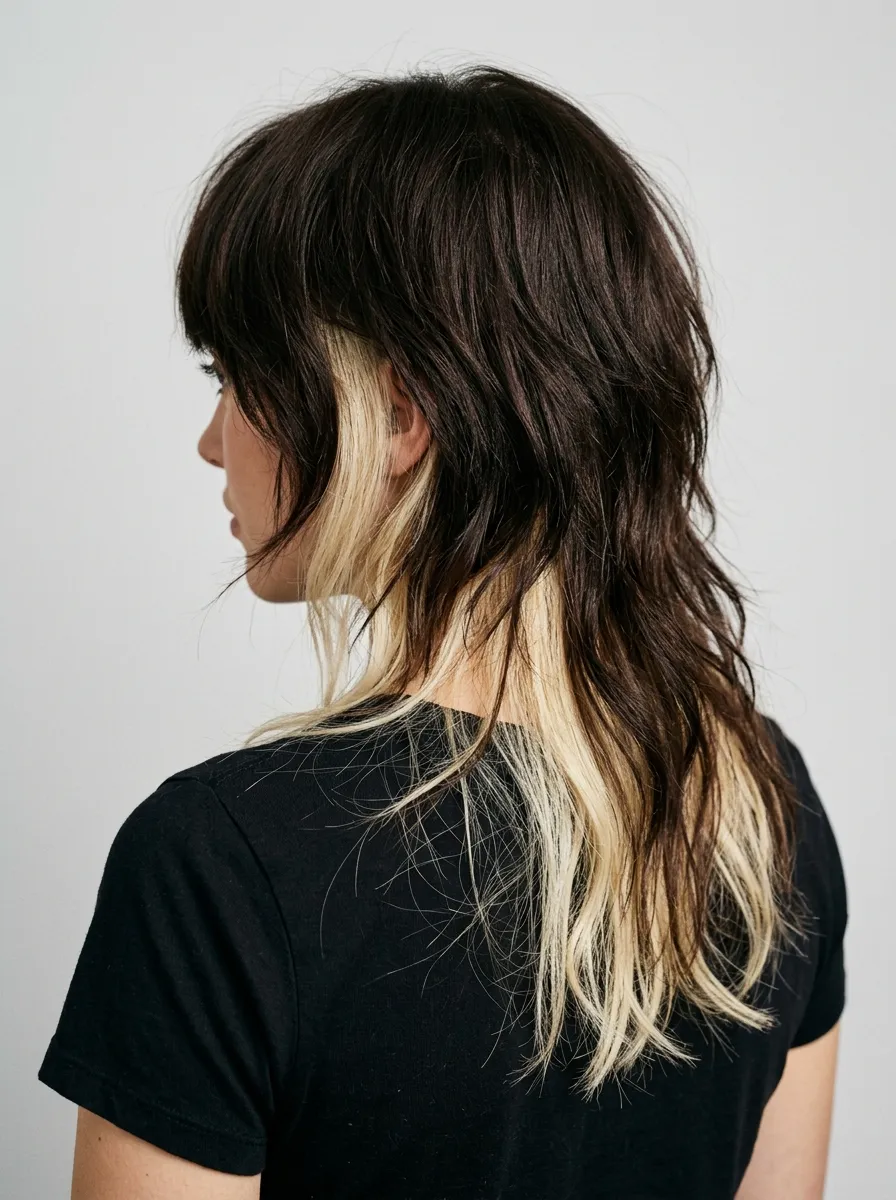
A two-tone wolf cut uses two contrasting colors, often placing a bold shade underneath a more natural tone on top. This creates a peek-a-boo effect that shows more color when hair moves or is worn up. It suits anyone wanting a dramatic look without dyeing their entire head. Budget tip: ask your stylist about a partial dye job limited to the underlayer, which costs less than a full color service and can use semi-permanent dye that fades gradually instead of requiring root touch-ups. Use a color-depositing conditioner to refresh vibrancy between salon visits, typically priced under fifteen dollars. Avoid heat styling the dyed section too often, since semi-permanent colors fade faster with repeated hot tool use. This wolf cut variation suits creative workplaces or anyone wanting a style that shows personality without full commitment. The contrast also highlights the layered shape of the wolf cut, since color naturally separates each section as hair moves throughout the day.
17. Wolf Cut with Root Volume Blowout
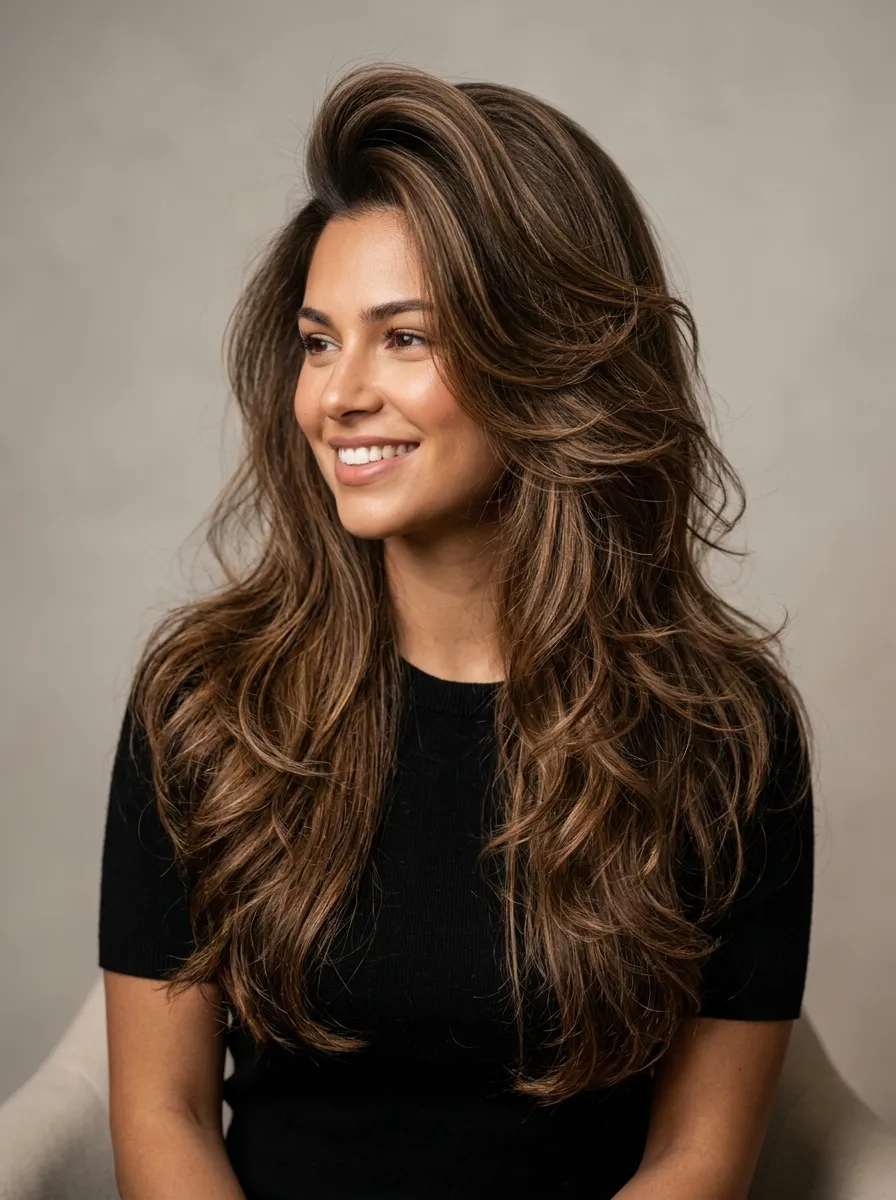
A root-focused blowout adds height at the crown, emphasizing the shorter layers that define a wolf cut. This works especially well for special occasions or anyone wanting extra drama in their everyday style. Blow dry hair upside down at the roots before flipping back over, using a round brush to guide the direction of the layers. Budget tip: a volumizing mousse under ten dollars, applied only at the roots, gives lasting lift without weighing down length. Avoid applying heavy oils near the crown, since this flattens the volume this technique aims to create. Hot rollers left in for ten minutes while doing other morning routines can also add lasting root lift without ongoing brush work. This wolf cut variation suits thinner hair types that want extra fullness on top, balancing out length that might otherwise pull hair flat. A light-hold hairspray at the roots locks in volume through a full day without stiffness.
18. Wolf Cut for Thick Hair Reduction

Thick hair often feels heavy, and a wolf cut solves this by removing bulk through layering rather than length. Shorter layers near the crown lighten the load on the scalp while length stays intact at the bottom. Ask your stylist about thinning shears for the underlayers if hair still feels too heavy after initial layering. Budget tip: point cutting at home with sharp shears on just the very ends between salon visits can reduce minor bulk without a full trim. Avoid heavy styling creams, since thick hair already carries enough weight without added product. A lightweight leave-in spray works better than creams for detangling without extra heaviness. This wolf cut variation makes thick hair easier to style daily, since reduced bulk means faster drying time and less strain when brushing. It also prevents the triangular shape that thick, one-length hair often develops, giving a more balanced silhouette from root to end.
19. Wolf Cut with Face-Framing Highlights
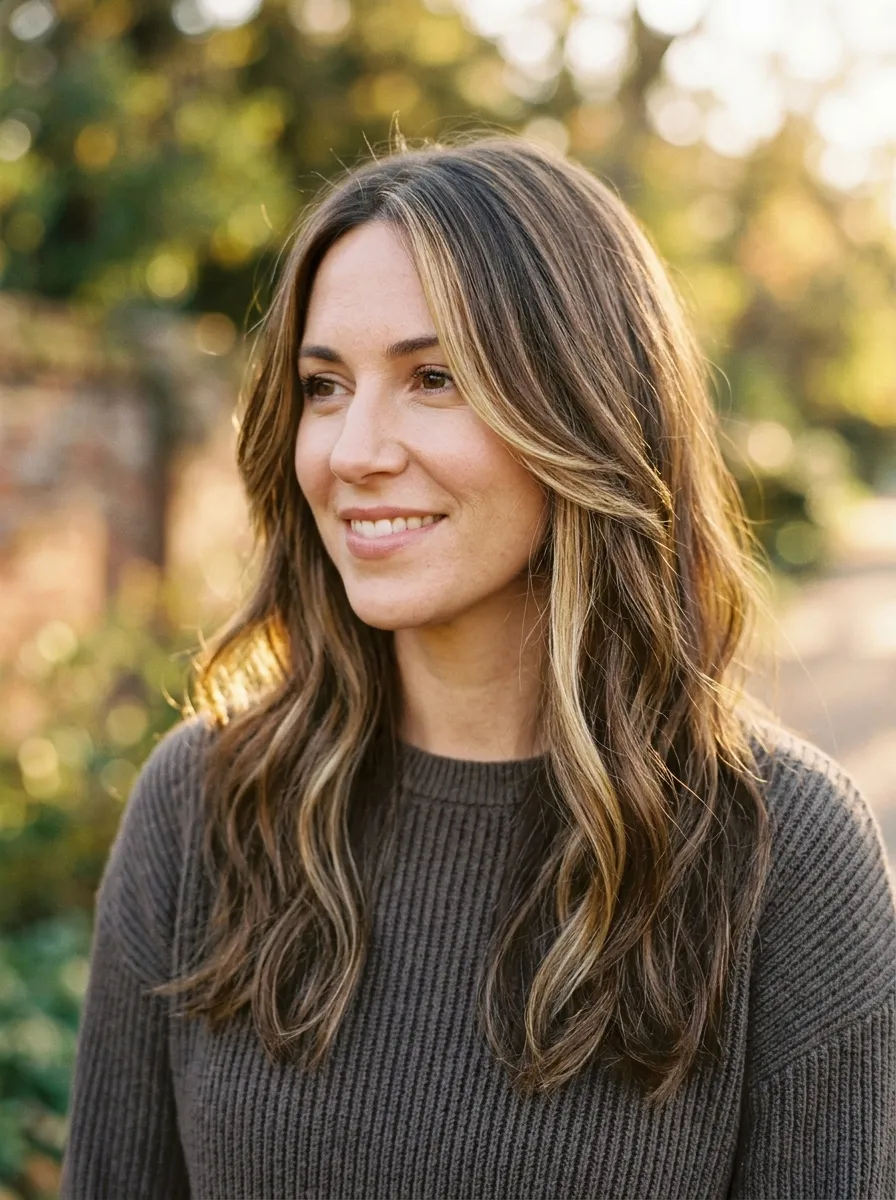
Face-framing highlights brighten just the sections closest to your cheeks, drawing the eye toward the face while enhancing a wolf cut’s layered shape. This technique uses fewer foils than an all-over color service, making it a faster and more affordable salon visit. Budget tip: ask specifically for “face-framing only” highlights, which many salons price as a standalone service under a full highlight package. Maintain the color with a toning shampoo used once weekly to prevent brassiness, typically priced around twelve dollars. Avoid excessive heat styling directly on the highlighted pieces, since lighter strands are more prone to damage and dryness. A leave-in conditioner applied to just the highlighted sections helps maintain moisture. This combination suits anyone wanting a natural, sun-kissed look without a dramatic all-over color change. It also visually separates the shorter face-framing layers from the rest of the wolf cut, adding extra dimension and making the overall style look more intentional and polished.
20. Mullet-Wolf Hybrid Cut

This hybrid leans further into the mullet side of the wolf cut family, keeping the crown notably shorter while length stays dramatically longer at the back. It suits those wanting a bolder, more editorial version of the trend. Style the shorter crown pieces with a small round brush for lift, while letting the back length hang naturally or with loose waves. Budget tip: since this cut relies heavily on the initial shaping, invest in one solid professional cut rather than frequent trims, and maintain length at home with occasional dusting of the ends. Avoid straightening the entire head uniformly, since the contrast between short and long sections looks better with some texture rather than flat, sleek styling throughout. This wolf cut variation works particularly well for creative fields or anyone wanting a statement style that stands out in a crowd. It requires confidence but delivers one of the boldest silhouettes within the entire wolf cut category.
21. Wolf Cut with Textured Crop Layers
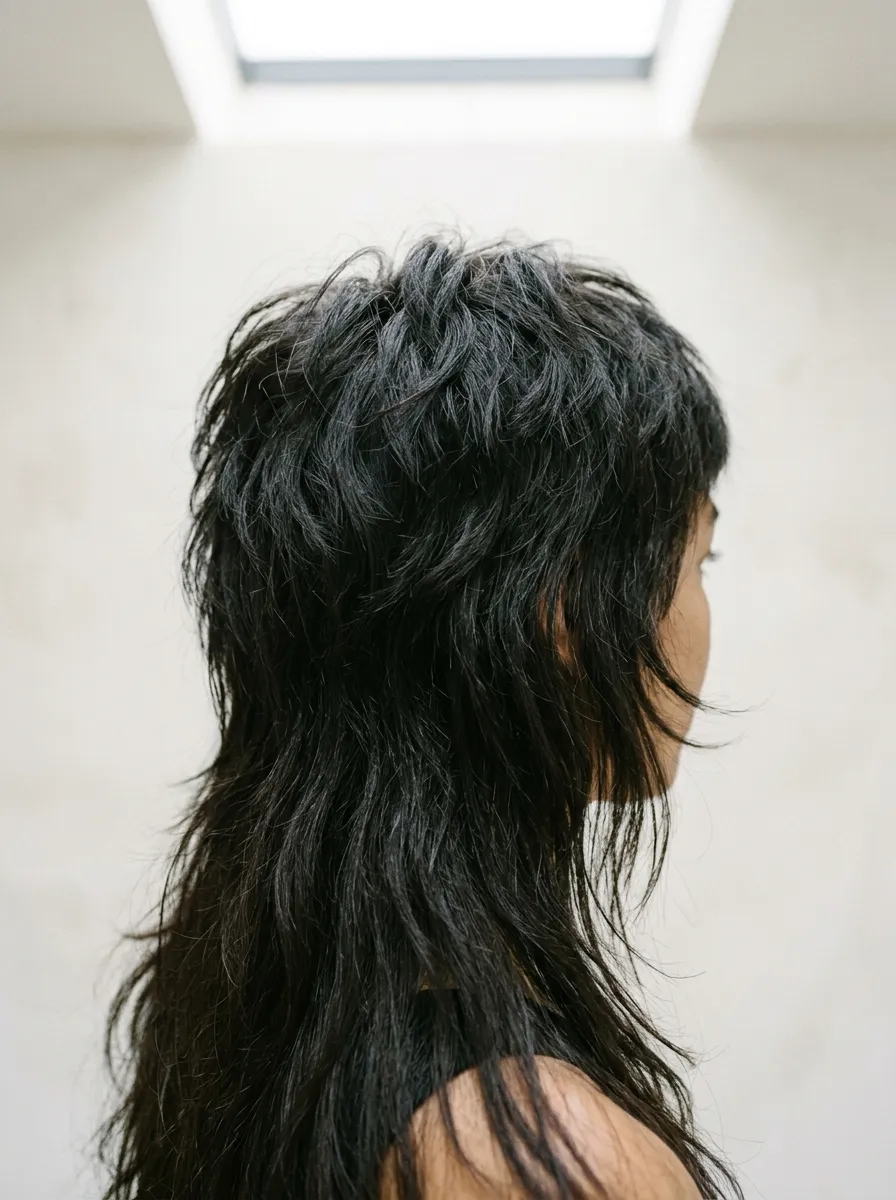
Textured crop layers sit extremely short at the very top of the head, creating a striking contrast against the longer length below. This is one of the more dramatic wolf cut variations, closer to a pixie-mullet combination. A texturizing paste worked through the short crop layers with fingers creates definition without stiffness. Budget tip: a small tub of matte paste under ten dollars lasts for months on such a small section of hair. Avoid combing the cropped section, since combing flattens the texture this style depends on; scrunching or finger-styling works better. This wolf cut variation suits anyone with an oval or heart-shaped face, since the short crop draws attention upward and balances a longer jawline. It requires more frequent trims on just the top section to maintain the cropped shape, though this is a small, quick, and inexpensive touch-up compared to a full haircut. This look works well paired with minimal makeup for a striking, editorial appearance.
22. Wolf Cut with Long Face-Framing Pieces

Extra-long face-framing pieces left longer than the rest of the front layers create a softer transition around the face while keeping the wolf cut’s shorter crown layers intact. This suits anyone wanting the trend without shorter pieces near the cheeks. Style with a flat iron to add a slight bend at the ends, curving them toward the face for a flattering frame. Budget tip: this variation needs less frequent trimming near the face since the pieces are already longer, saving money on touch-ups. Avoid cutting these face-framing sections too short by accident during a routine trim; communicate clearly with your stylist about keeping them long. A light-hold styling cream keeps these pieces smooth without frizz throughout the day. This wolf cut version suits rounder or square face shapes especially well, since the longer framing pieces elongate the face. It also works nicely for those transitioning out of a full fringe, letting bangs grow into these longer framing layers gradually.
23. Wolf Cut Paired with Bold Color
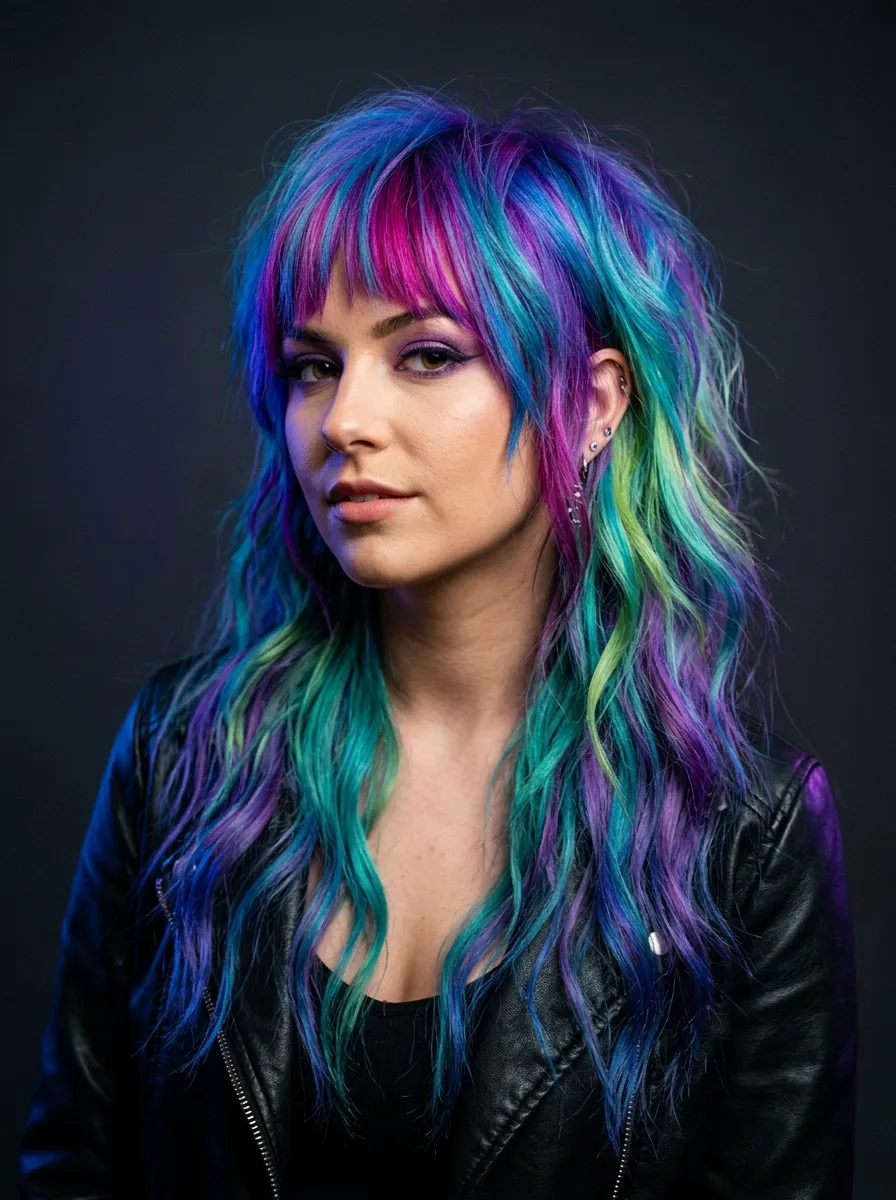
Bold, non-natural colors like deep red, vivid copper, or cool-toned pastels pair well with a wolf cut, since the layering shows off color movement more than one-length hair does. Vibrant colors highlight each layer’s separation, making the shag texture more visible from every angle. Budget tip: semi-permanent bold colors cost less than permanent dye and fade gradually rather than leaving a harsh regrowth line, reducing the need for frequent root touch-ups. Use color-safe, sulfate-free shampoo to extend vibrancy, which typically costs a few dollars more but significantly slows fading. Avoid hot showers and chlorinated pools, both of which strip bold colors faster than natural shades. This combination suits anyone wanting to fully commit to a statement look, since the boldness of the color matches the boldness of the cut. Touch up fading color at home with color-depositing conditioners between full salon visits, keeping the vibrant tone fresher for longer without extra cost.
24. Wolf Cut with Piecey Bangs

Piecey bangs are styled with visible separation rather than one solid, blended block, adding texture that matches a wolf cut’s overall shaggy theme. A small amount of texturizing wax rubbed between fingertips and applied to the bang section creates natural-looking gaps. Budget tip: a travel-size wax product under five dollars works for months since bangs only need a small amount per use. Avoid brushing piecey bangs smooth after applying product, since brushing removes the separation you just created. Instead, use fingers to adjust and reposition strands throughout the day. This style suits anyone who wants the look of bangs without a heavy, blocky fringe, since the piecey texture feels lighter and more casual. It also requires less precise cutting than blunt bangs, since slight unevenness actually enhances rather than ruins the look. This makes it a forgiving option for those attempting a DIY bang trim between professional appointments, since small mistakes blend naturally into the textured finish.
25. Wolf Cut for Curly Coily Hair
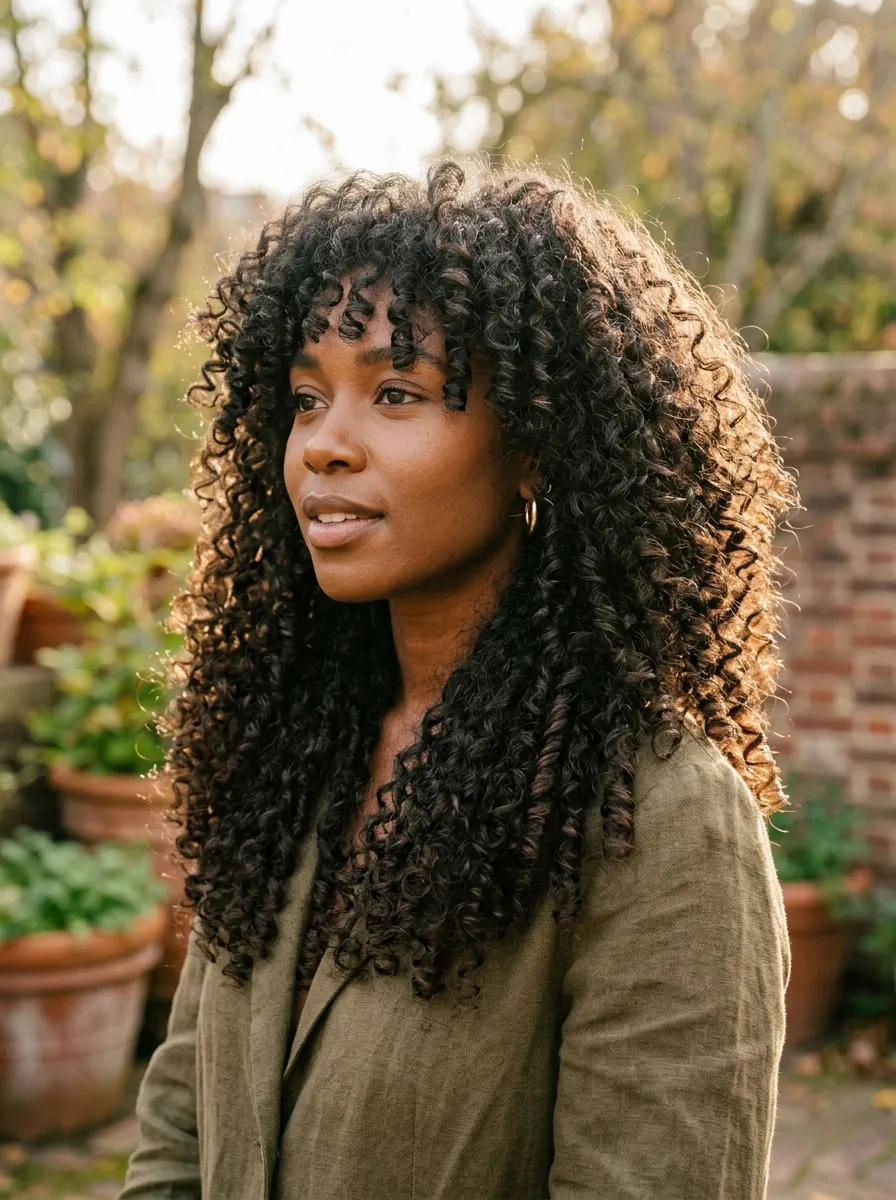
Coily hair types benefit from a wolf cut because the layering reduces the pyramid shape that often forms with one-length coily styles. Shorter layers near the crown allow coils to expand outward and upward, creating fuller, more balanced volume throughout. Apply a curl-defining cream on soaking wet hair, then let coils air dry or diffuse on low heat to preserve pattern and shape. Budget tip: a shea butter-based cream under ten dollars provides strong moisture and hold without needing pricier specialty products. Avoid detangling coily hair when fully dry, since this causes breakage; always detangle with conditioner in the shower using a wide-tooth comb. This wolf cut variation reduces overall bulk, making daily styling and detangling faster and less physically demanding on the scalp. Ask your stylist to cut coily hair while stretched, either blown out or braided, to achieve more precise and even layering results, since coily texture can make length assessment difficult when hair is in its natural shrunken state.
26. Wolf Cut with Subtle Ombre
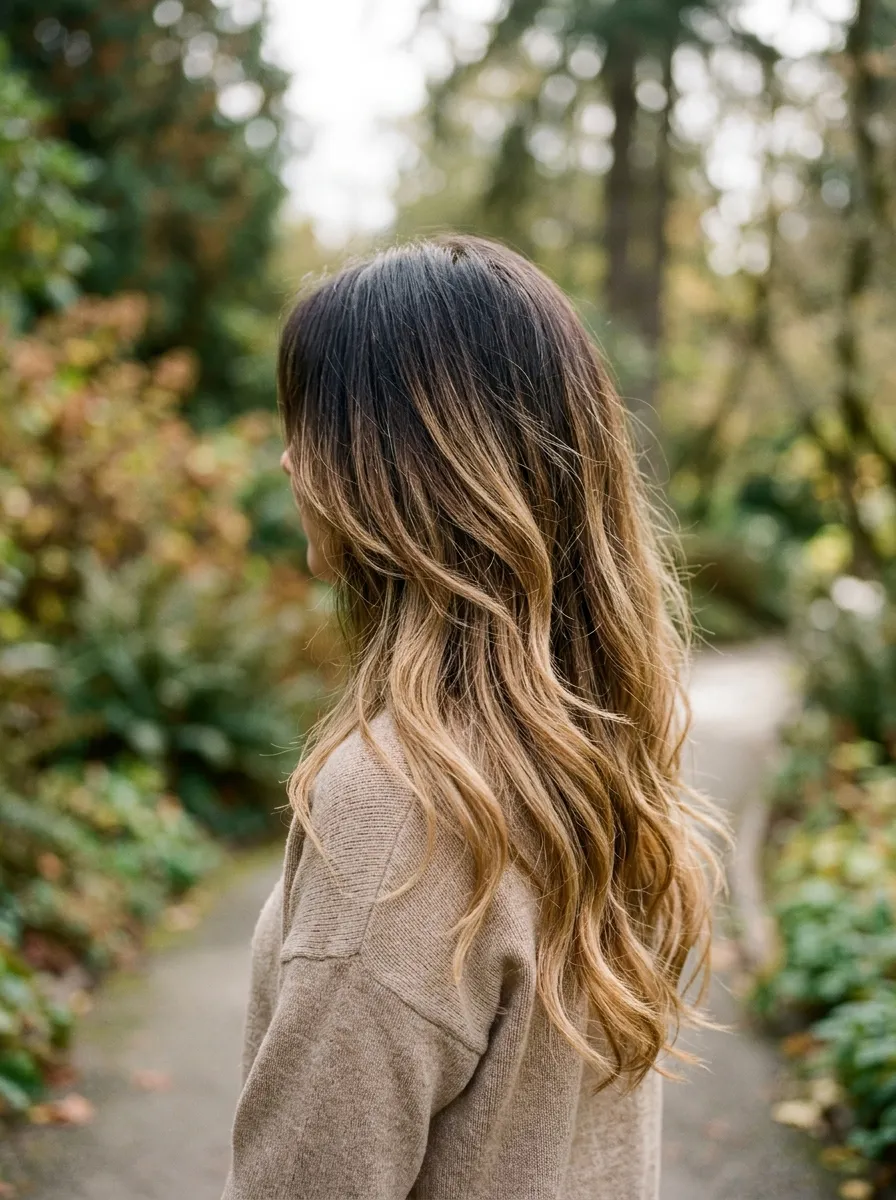
A subtle ombre gradually lightens hair from root to end, and paired with a wolf cut, this gradual shift highlights the layered movement without looking harsh or high-maintenance. Since ombre keeps darker roots, it requires far fewer touch-up appointments than all-over color or traditional highlights. Budget tip: ombre services often cost less than full balayage or highlight packages since they use fewer foils and less product overall. Use a hydrating mask weekly on the lightened ends, since these sections tend to dry out faster than the root area. Avoid excessive heat styling directly on the ends, since repeated heat exposure fades and damages lightened hair fastest at the tips. This wolf cut variation suits anyone wanting a gradual, low-commitment introduction to lighter hair color without a drastic change. The soft gradient also complements the wolf cut’s built-in movement, since the color shift becomes more visible as layers move and catch light differently throughout the day.
27. Wolf Cut with Textured Ponytail
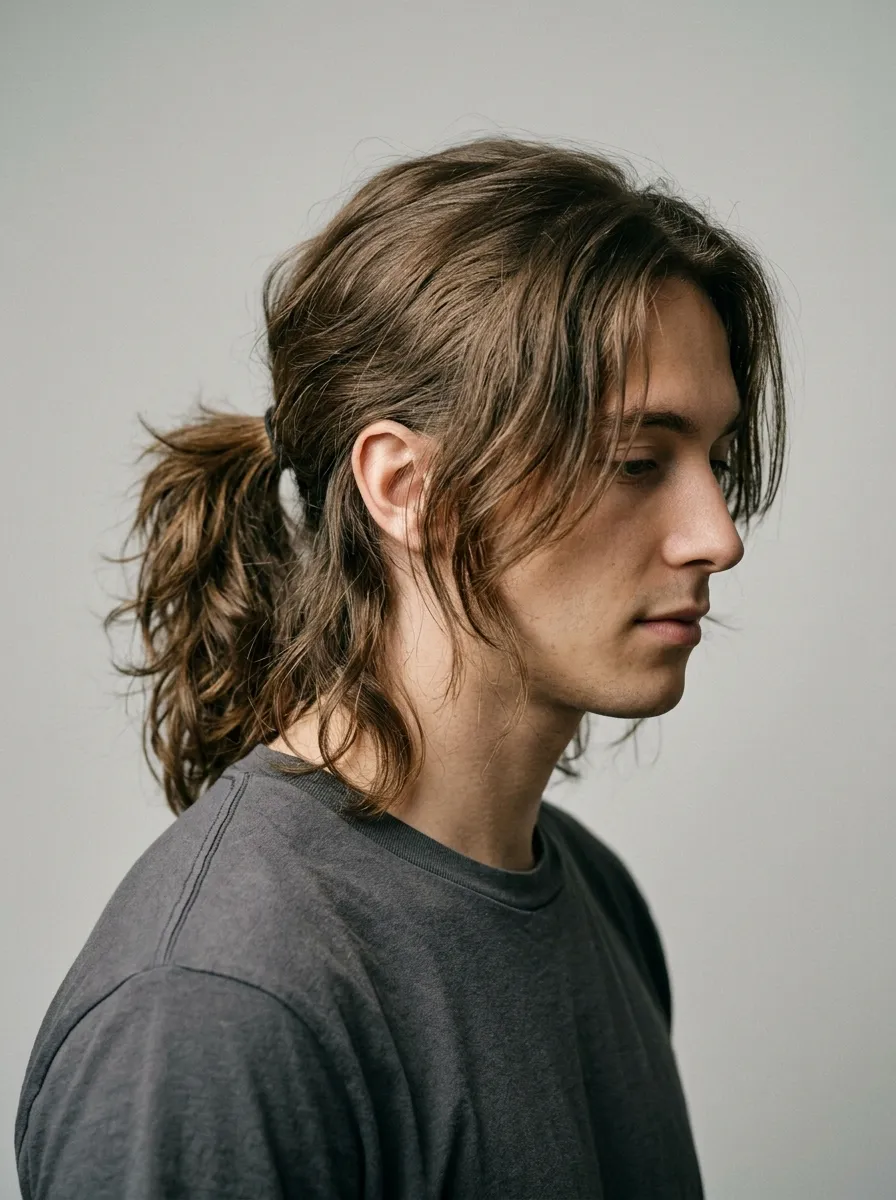
Even though the wolf cut shines when worn down, a textured ponytail shows off the layering in a different way. Pulling hair back while leaving the shorter crown layers and face-framing pieces loose creates a soft, undone look rather than a sleek, tight style. Tease the crown lightly before securing the ponytail for extra height and texture. Budget tip: a simple elastic band and a bit of texturizing spray applied before tying it back achieves this look without any special tools. Avoid pulling hair back too tightly, since this flattens the layered volume that makes a wolf cut look full in the first place. Leave a few face-framing strands loose around the hairline for a softer finish. This style works well for quick, low-effort days when you still want your hair to look styled rather than simply tied back. It also shows off any highlights, balayage, or two-tone color work done throughout the layers, since pulling hair back exposes more of the underlayer color.
Conclusion
A wolf cut gives long hair the shape, texture, and personality that plain, one-length styles often lack. Whether you lean toward soft feathered layers, bold choppy ends, or a full mullet-inspired hybrid, there is a version of this cut suited to your hair type, budget, and daily routine. Most of these styling techniques rely on affordable tools and products already sitting in a bathroom cabinet, proving that a full volume, modern look does not require an expensive routine. Bring a few of these image ideas to your next salon appointment, or try the simple DIY tips at home, and find the wolf cut variation that fits your everyday life.
Leave a Reply