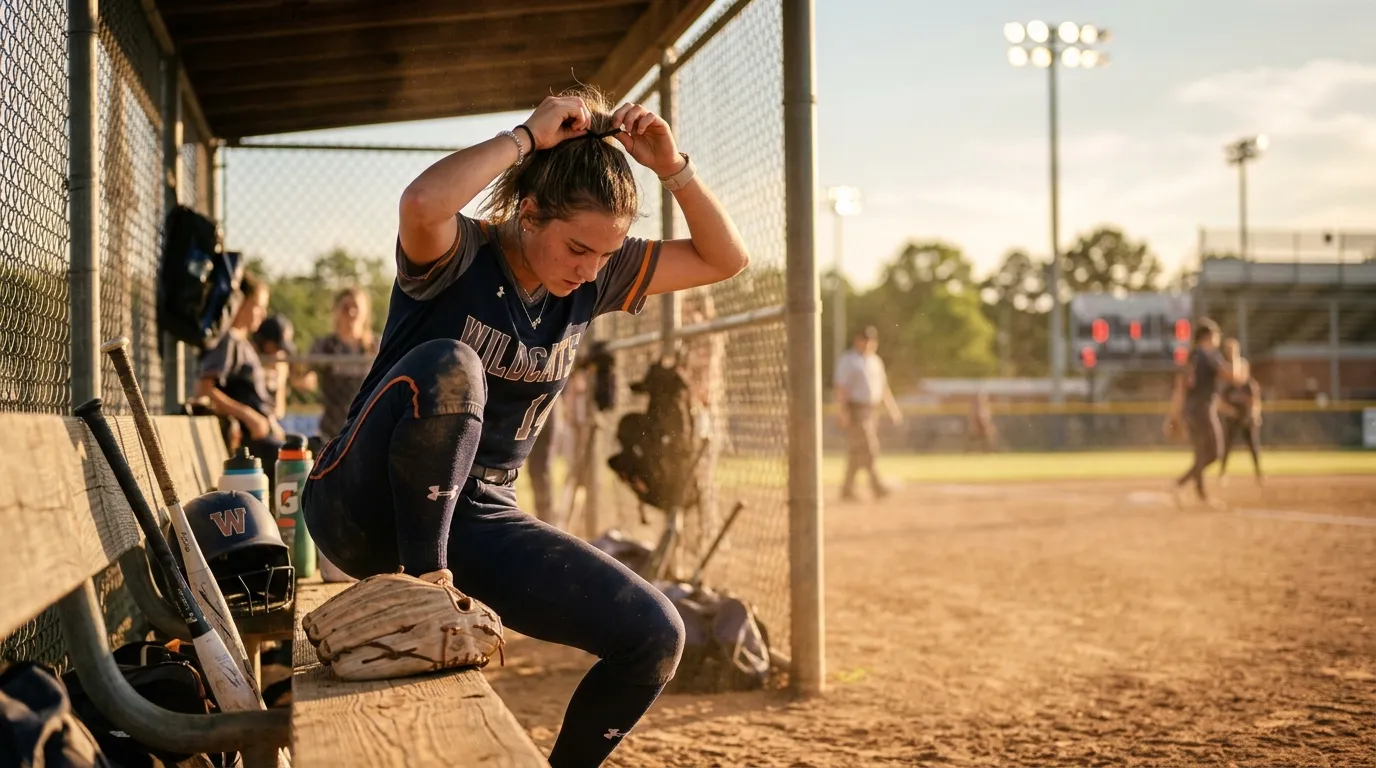
1. The Classic High Ponytail
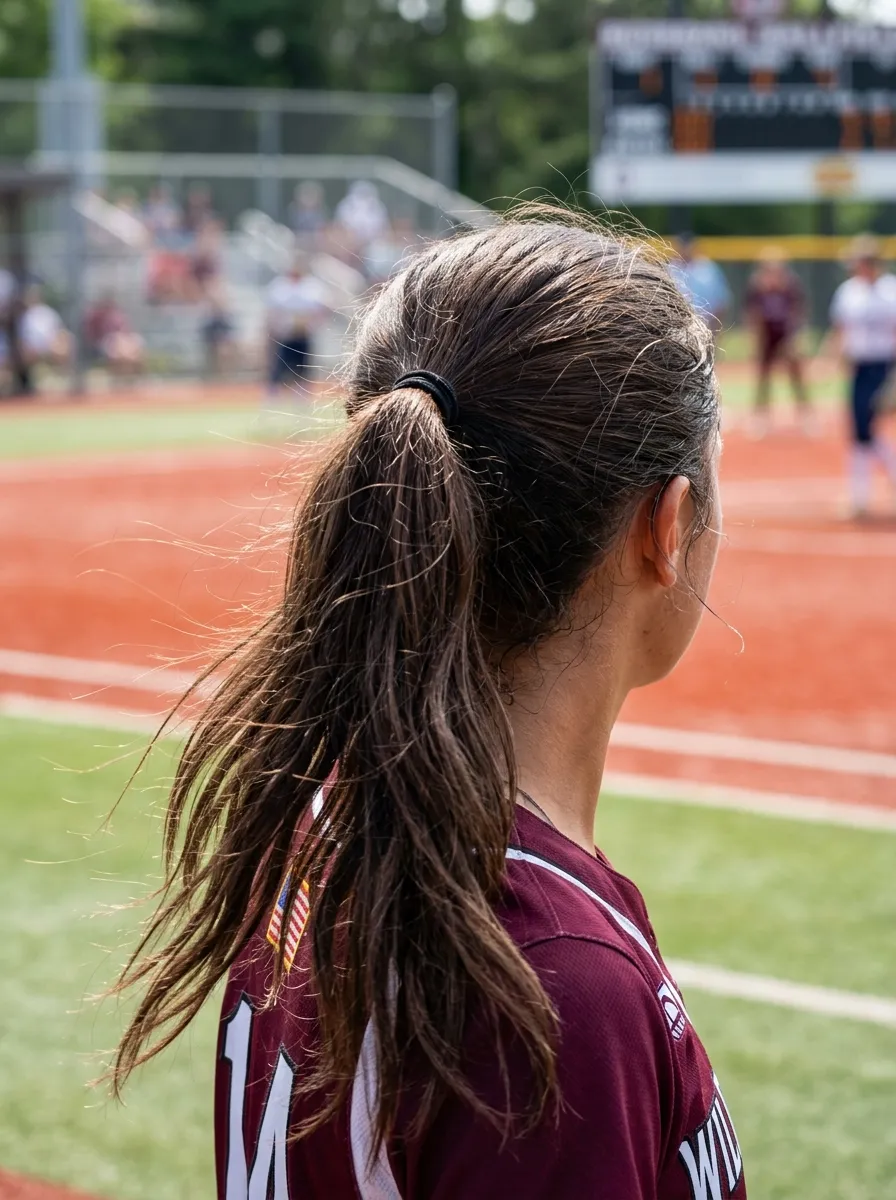
The high ponytail is the first style most softball players learn, and for good reason. It keeps hair off your neck and shoulders while you run bases or chase a fly ball. Start by brushing hair straight back, then gather it at the crown of your head. Secure with a strong elastic, the kind that won’t snap mid game. For a budget friendly option, grab a multi pack of elastics from a dollar store instead of pricier salon brands. If your hair tends to slip loose, spray a bit of water mixed with hair gel before pulling it up. This homemade texturizer costs almost nothing and holds through sweat. Players with layers can tuck shorter pieces with bobby pins so nothing falls into their eyes during a swing. The high ponytail also works well under a cap, since the base sits high enough to avoid pressure points. It takes under two minutes, which matters on mornings when you’re rushing to the field. Simple, fast, and dependable, this style earns its spot as a go to for any lineup.
2. Low Ponytail for Longer Games
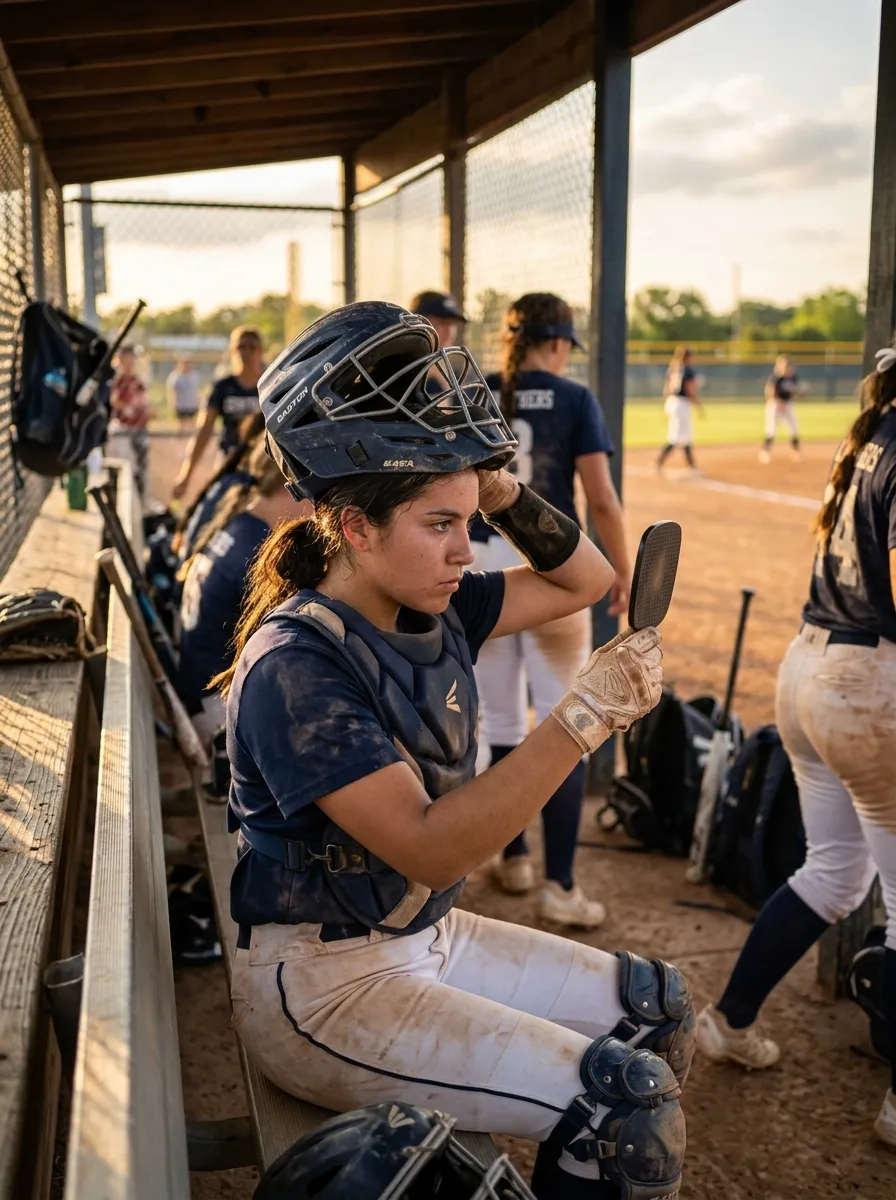
Long tournament days call for a style that won’t tug at your scalp by the fourth game. A low ponytail sits closer to the base of your neck and reduces tension during extended play. Gather your hair below the crown and secure it loosely enough to avoid a headache but tight enough to stay neat. This works especially well for catchers wearing a mask or helmet, since the low placement avoids pressure against gear. Add a soft scrunchie instead of a thin elastic to protect your hair from breakage over a full day of games. Scrunchies cost very little and can be reused for months. If you have thick hair, split it into two sections before tying to make brushing easier afterward. A low ponytail also pairs well with a visor, letting the brim sit comfortably against your forehead. Coaches often recommend this style for double headers since it holds up without needing a midday redo. Practical, gentle on your scalp, and easy to maintain, the low ponytail is built for players who spend entire Saturdays on the diamond.
3. Tight Dutch Braid Down the Back
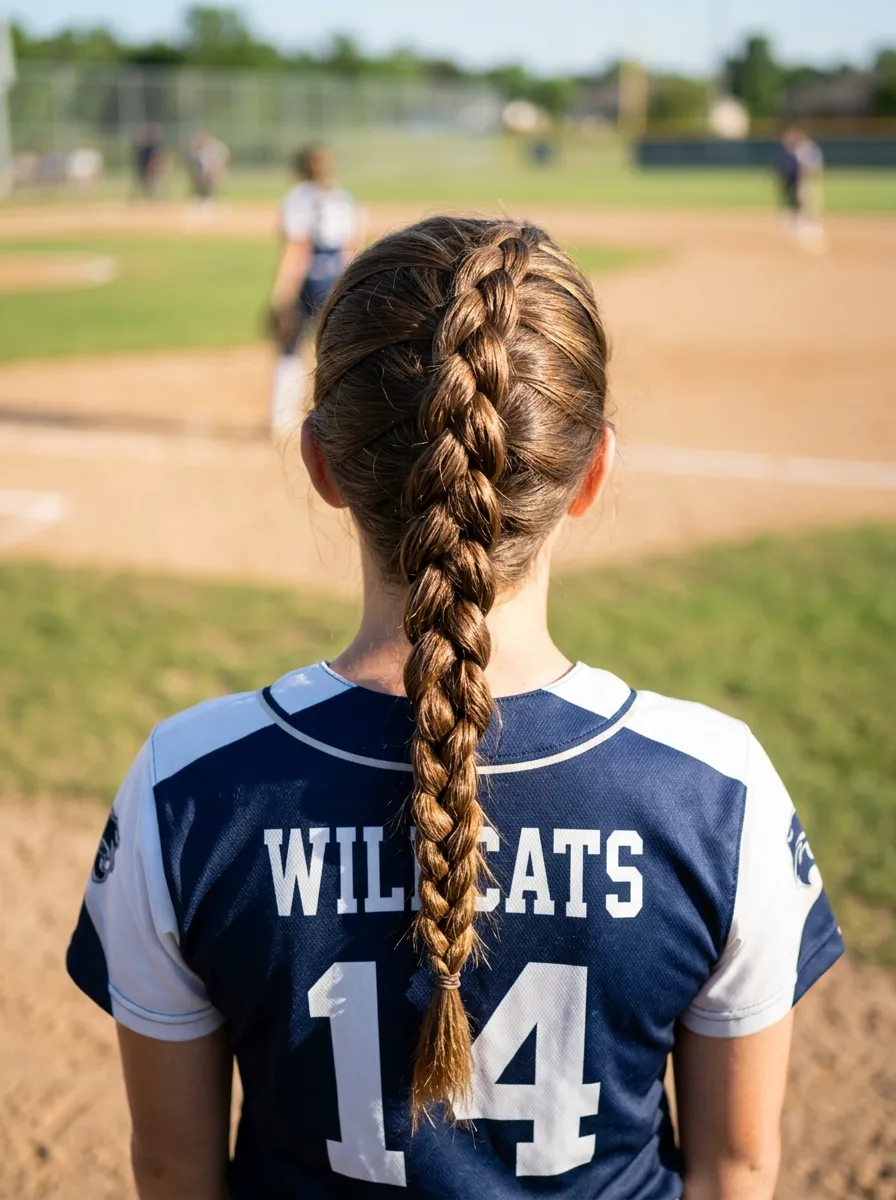
A Dutch braid keeps hair locked in place better than almost any other style, which makes it a favorite among infielders who dive and slide. Unlike a regular braid, the Dutch braid sits on top of the hair rather than underneath, giving it a raised, sturdy look that resists frizz. Start at the crown, cross small sections over each other instead of under, and work your way down to the nape. Finish with a small elastic at the bottom. If braiding feels tricky at first, practice the night before a game rather than rushing that morning. A cheap detangling spray helps smooth hair before you begin, making the braid easier to shape. This style holds for hours without loosening, even during full sprints. Parents helping younger players often find this braid easier to manage than expected once they get the rhythm of the crossing pattern. It also looks sharp for team photos. Durable, clean, and functional, the Dutch braid solves the problem of flyaway strands better than a simple tie back ever could.
4. Double Dutch Braids for Extra Hold
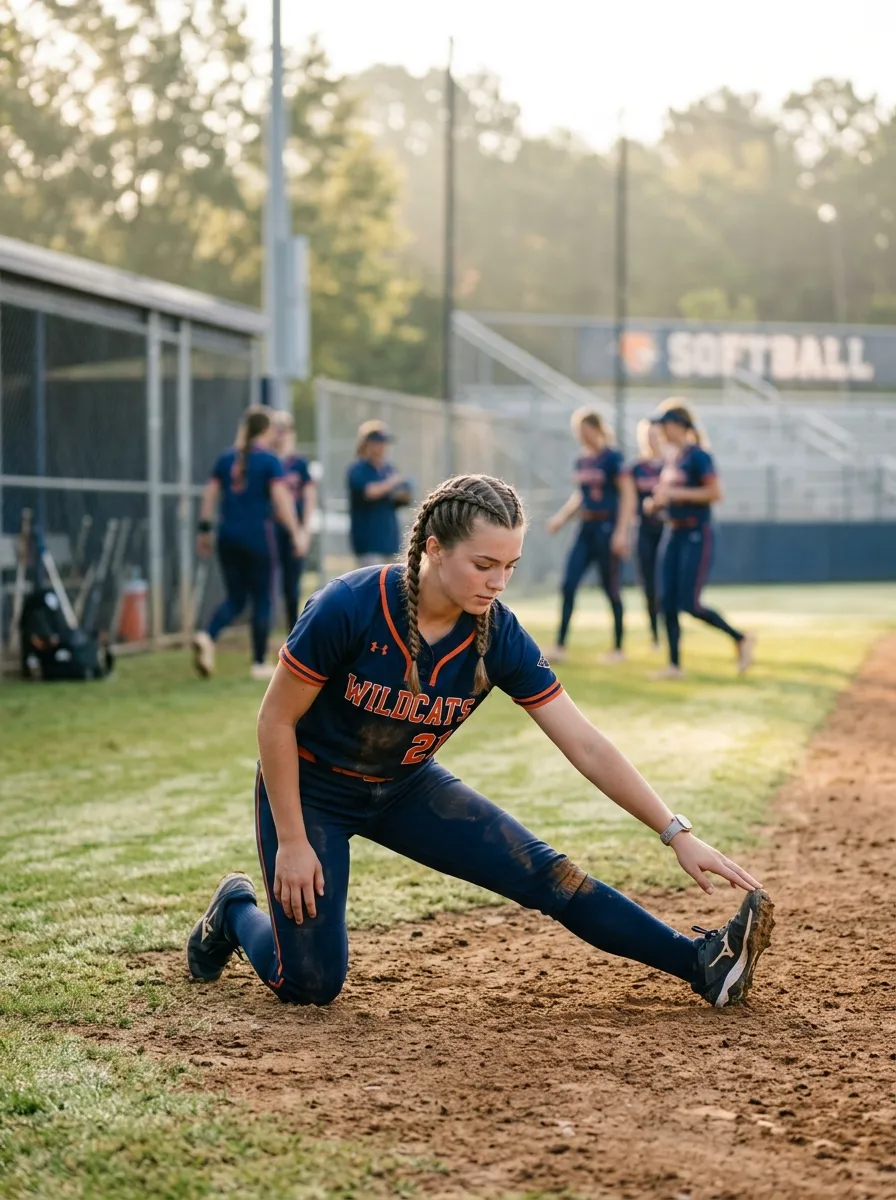
For players with thick or extra long hair, one braid sometimes isn’t enough to keep everything contained. Double Dutch braids split the workload, reducing bulk and keeping both sides balanced and secure. Part your hair down the middle, then braid each side using the same over under method. This style holds especially well for outfielders who run longer distances chasing fly balls. It also looks tidy under a cap since there’s no single thick braid bunching at the back. A cheap trick many players use is finishing each braid with clear elastic bands so they blend in rather than stand out. If your hair is naturally curly, this style can add helpful texture without extra product. Double braids also reduce tangling on windy fields, since hair is split and controlled rather than blowing freely. Younger players often like this look because it feels less fussy than one long braid and takes roughly the same amount of time once you get used to the pattern. Sturdy and split evenly, this style handles a full game without shifting.
5. French Braid Pigtails
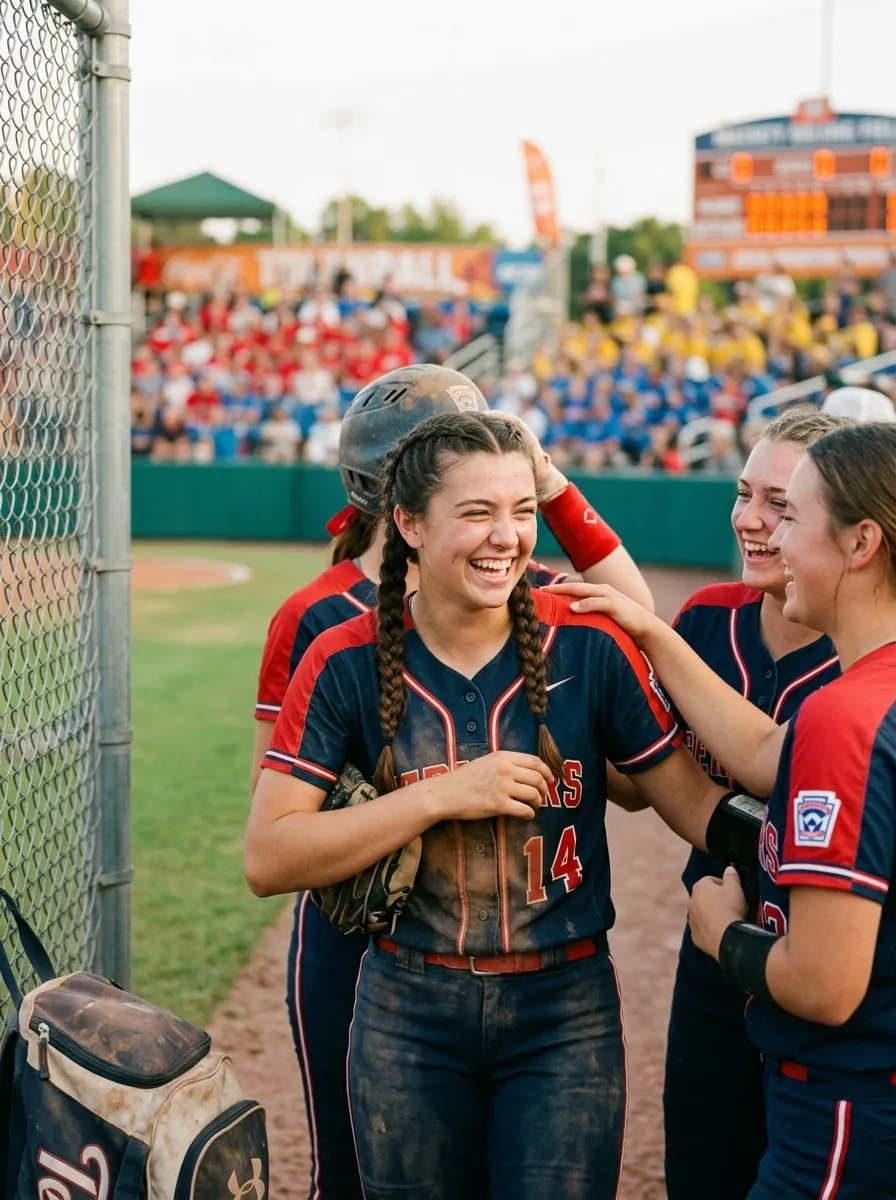
French braid pigtails bring a playful look while still checking every practical box. Split hair into two even sections, then French braid each side down toward the ends. Secure with small elastics that won’t dig into your scalp during batting practice. This style works well for shorter hair that struggles to stay in a single ponytail. It also distributes tension evenly across your head, which some players find more comfortable than one centered braid. A simple affordable tip is using bobby pins along the part line to keep flyaways from escaping during a full inning. Pigtail braids also dry faster after a rinse, which helps on tournament mornings with back to back games. Coaches often like this style for team uniformity in photos since both braids mirror each other neatly. It holds through sliding, diving, and running without loosening at the crown. Comfortable, symmetrical, and quick once practiced, French braid pigtails offer a style that feels less rigid than a single braid while staying just as functional.
6. Braided Ponytail Combo
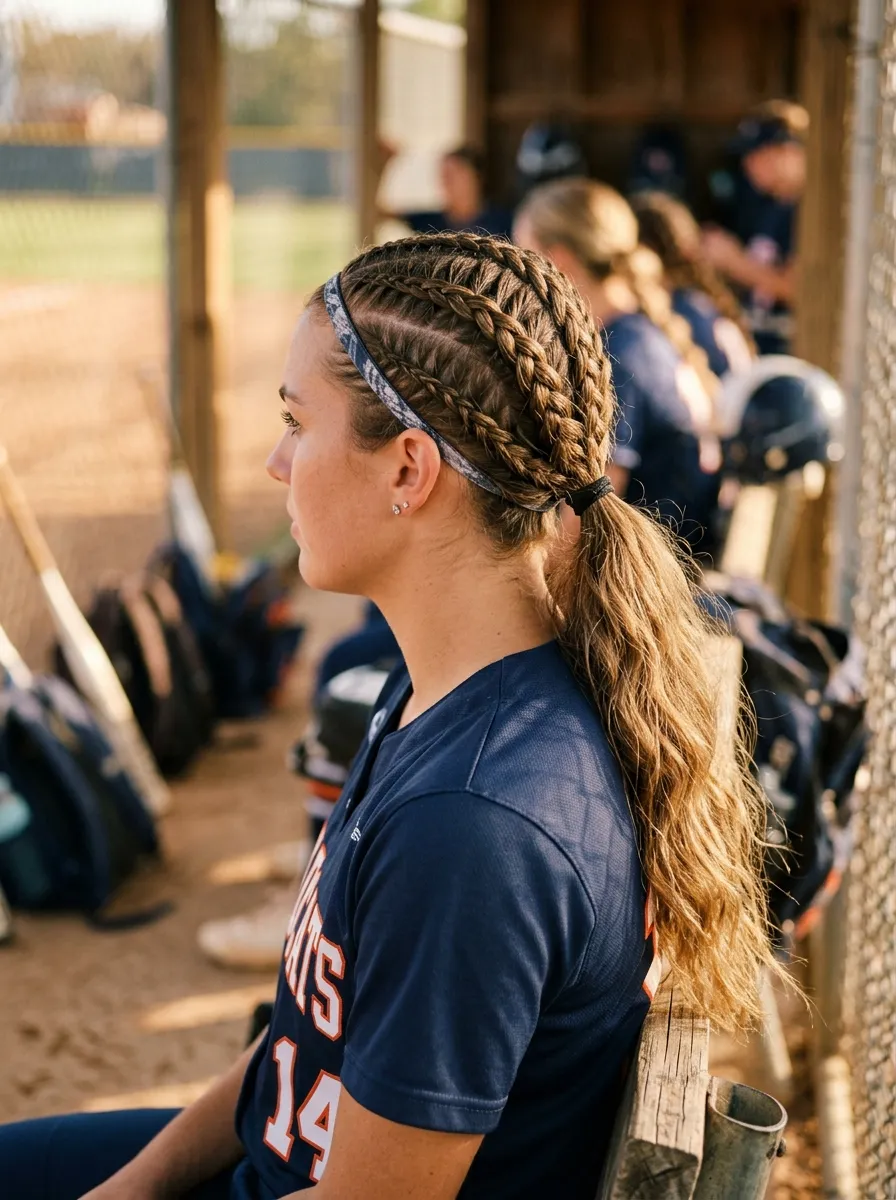
This style blends two favorites into one durable look. Start by French braiding the top section of your hair, then gather the rest into a low ponytail once the braid reaches the crown. The combination keeps front pieces locked down while giving you the ease of a ponytail for the length. It works well for players who like braids but don’t want to commit to braiding all the way down. A cheap elastic secures the ponytail portion, while a couple bobby pins near the ear keep the braid transition smooth. This style suits players with bangs or shorter face framing pieces since the braid catches those strands before they can fall forward. It also looks polished for team pictures without requiring extra time. Because only the top section is braided, this style takes less time than a full braid but still holds up through diving catches and full sprints. Balanced between simple and structured, the braided ponytail combo gives you the best of both worlds on game day.
7. Half Up Half Down Twist
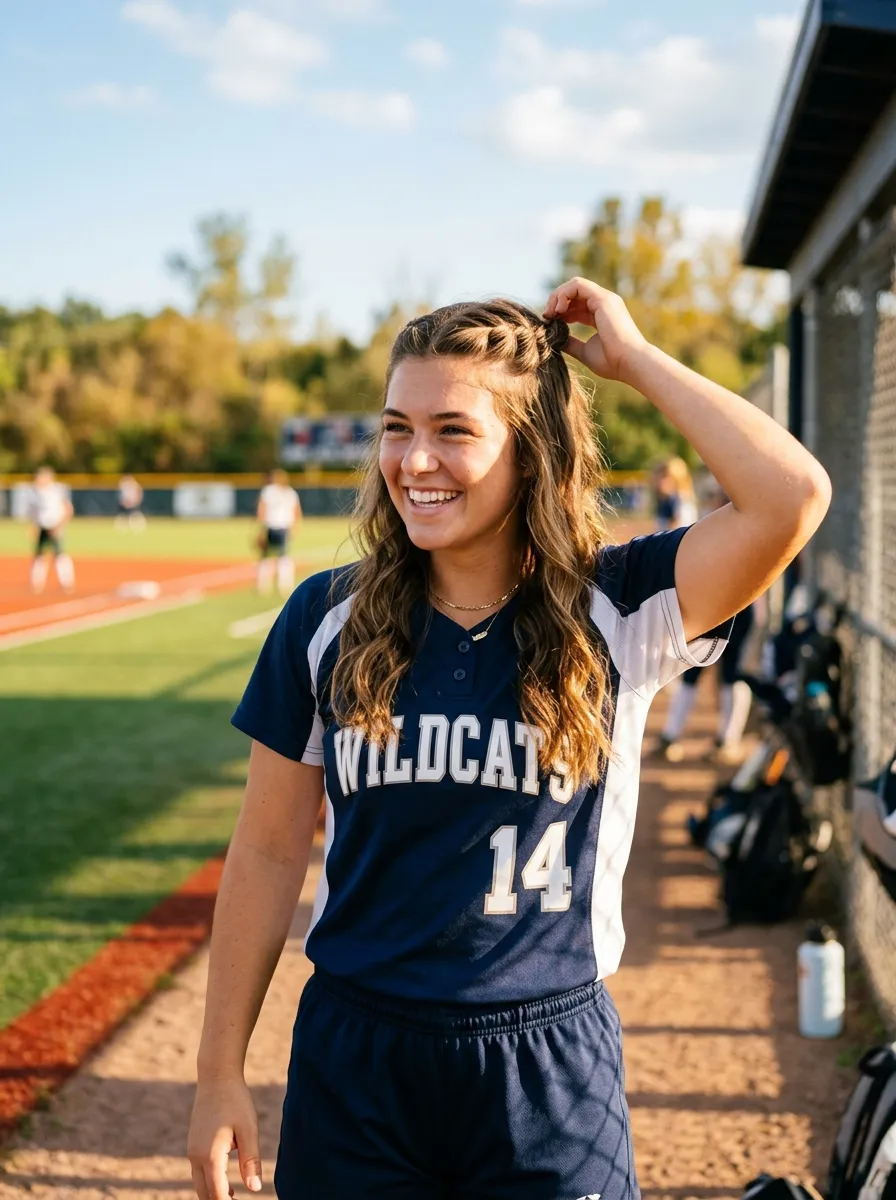
Not every player wants hair fully pulled back, and the half up half down twist offers a middle ground. Take two small sections near your temples, twist them back, and secure with a small clip or elastic at the back of your head. This keeps hair away from your eyes while letting the rest fall naturally. It works best for players who don’t run as often, like pitchers or first basemen who need clear sightlines but less full sprint movement. A budget friendly trick is using bobby pins crossed in an X shape underneath the twist for extra grip. This style also looks great paired with a headband for added hold on windy days. Because the lower half stays loose, this look feels lighter and less tight on your scalp during long practices. It suits players growing out layers who don’t have quite enough length for a full ponytail yet. Simple, breathable, and easy to adjust between innings, the half up twist offers comfort without sacrificing a clean look.
8. Braided Half Up Style
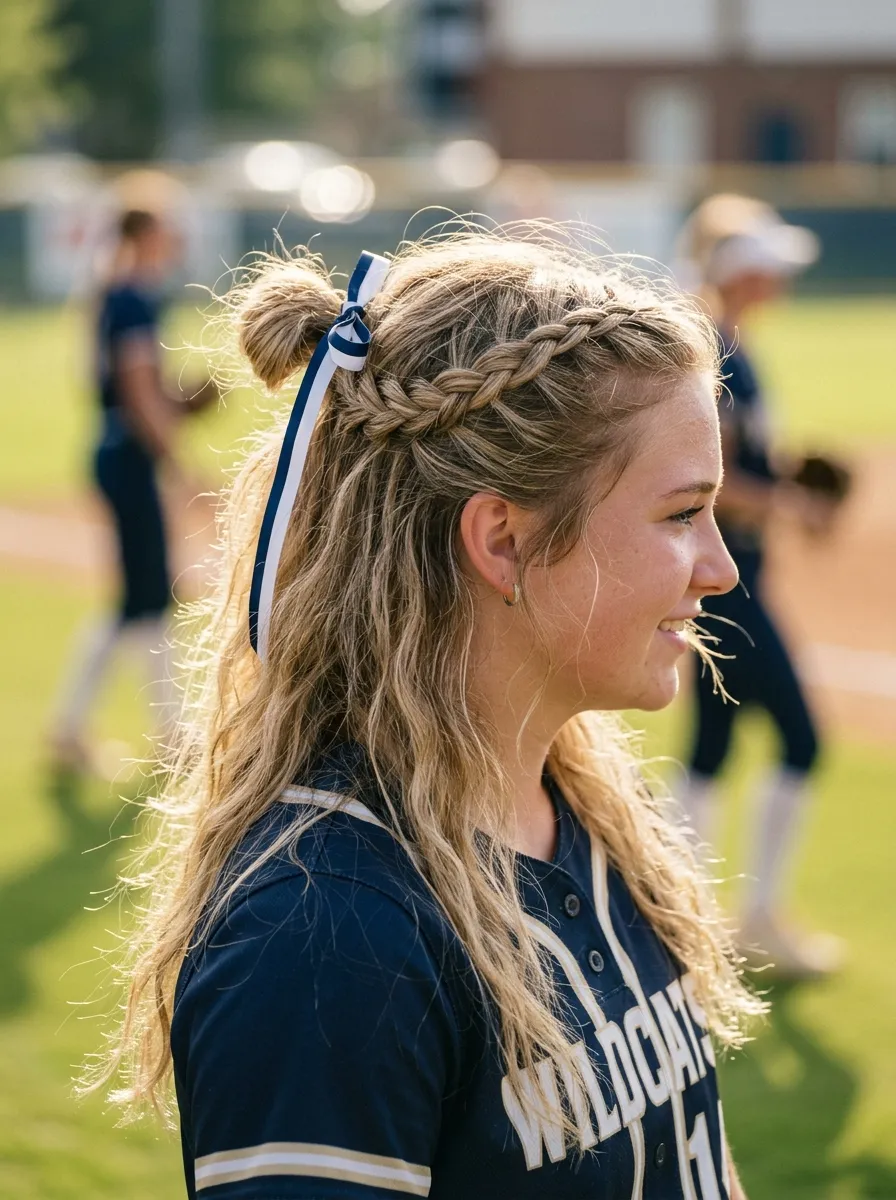
This style takes the half up look a step further by adding a small braid for extra hold. Instead of twisting the top sections, braid them back before clipping or tying them at the crown. The braid adds texture and keeps flyaways contained better than a simple twist. This works well for players with fine hair that tends to slip out of clips easily. A cheap tip is using a small elastic under the clip for backup hold during high movement plays. This style pairs nicely with natural waves, giving a lived in look that still functions well on the field. It also holds up during batting practice since the braided section resists loosening from repetitive head movement. Many players like this look because it takes only a few extra minutes compared to a plain half up style but adds noticeably more durability. It’s a good pick for picture day since it looks neat without appearing overly done. Textured, secure, and simple to recreate, the braided half up style blends function with a bit of personality.
9. Space Buns for Shorter Practices
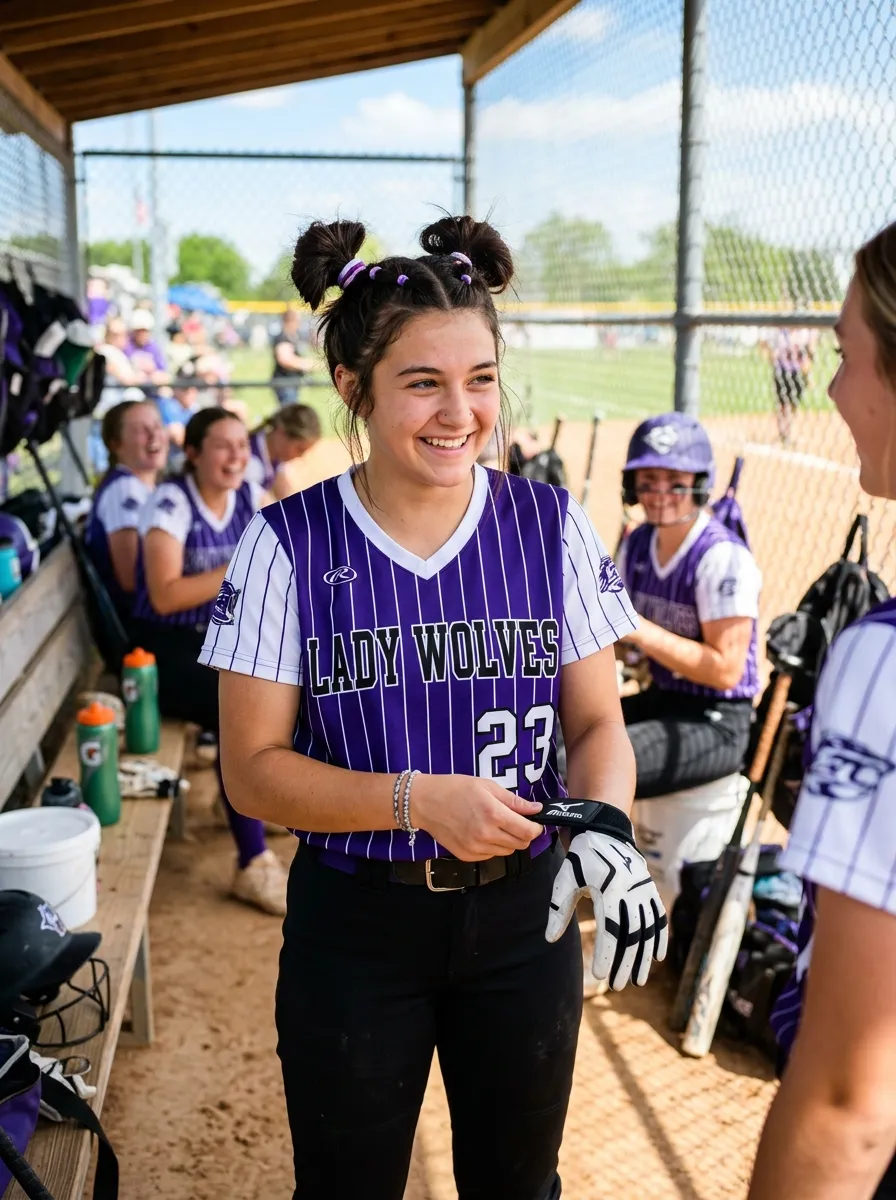
Space buns bring a fun, energetic look while keeping hair fully secured. Split your hair into two sections, twist each one, then wrap it around itself to form a bun near the top of your head. Secure with bobby pins or a small elastic. This style works especially well for shorter practices or casual scrimmages where you want something playful but still practical. Space buns keep hair completely off your neck, which helps on hot days. A budget friendly tip is using foam hair ties instead of thin elastics to prevent creasing or breakage. This style suits younger players who enjoy a bit of personality in their game day look. It also fits comfortably under a cap since both buns sit close to the head rather than sticking out. Space buns hold up surprisingly well during running drills since the twisted base resists unraveling. Quick to create and full of character, this style proves that practical hair can still feel fun and expressive on the field.
10. Low Bun for Helmet Comfort
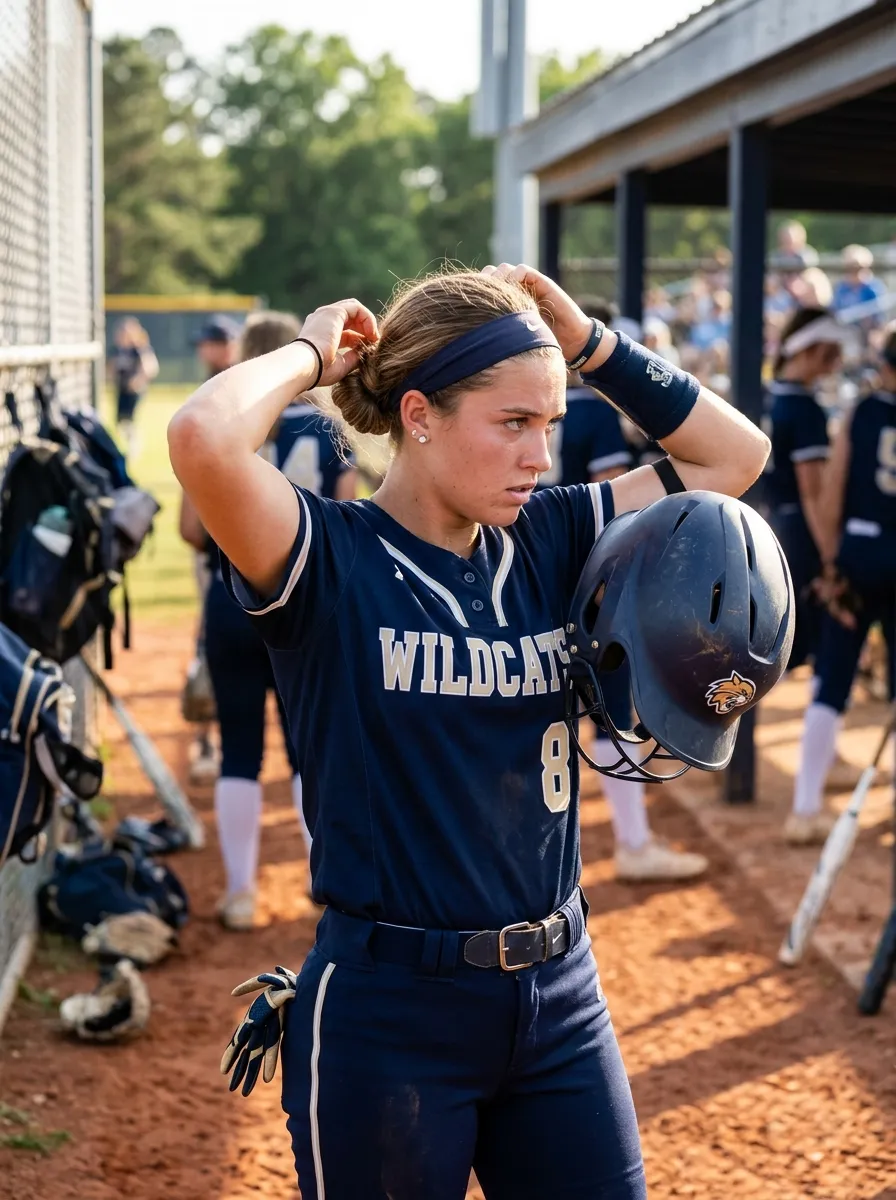
Batters who wear helmets often find that a low bun offers the most comfortable fit. Gather your hair into a low ponytail, twist it around itself, and pin it flat against your head. This keeps the bun from pressing uncomfortably against the back of a helmet. It’s a practical choice for players who bat frequently during a game, since comfort under gear matters as much as style. A cheap trick is using flat, wide bobby pins instead of thin ones, since they hold better without slipping out during a swing. This style also works well for players prone to headaches from tight, high buns, since the low placement reduces scalp tension. It holds securely through running the bases and sliding into home. Many coaches recommend this look specifically for batting practice since it doesn’t shift when a helmet is removed and replaced repeatedly. Comfortable, low profile, and dependable, the low bun solves a problem many players don’t think about until game day arrives.
11. Braided Bun Combo
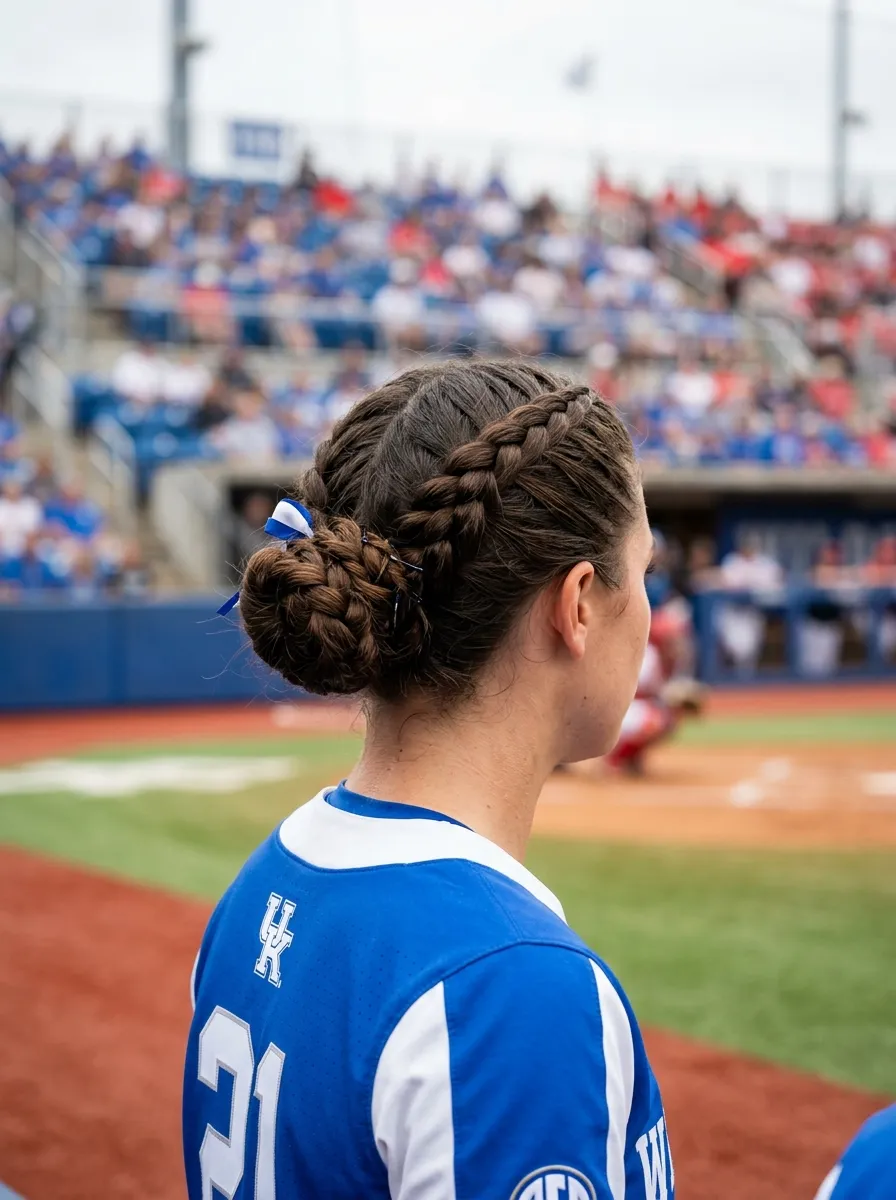
For players who want extra durability, a braided bun combines the strength of a braid with the neatness of a bun. Braid your hair down first, then coil the braid into a bun at the base of your neck or the crown, depending on preference. Secure with bobby pins around the edges. This style holds through diving plays and full sprints better than a plain bun since the braid resists unraveling from the inside out. A budget friendly tip is practicing this style during weeknight showers so mornings go faster before games. It works well for long tournament days since it doesn’t require touch ups between innings. Players with thick hair benefit from this style since the braid helps distribute volume evenly rather than creating one bulky knot. This look also holds up nicely for team photos, giving a polished appearance without extra product. Strong, tidy, and long lasting, the braided bun combo offers one of the most durable options on this list for active gameplay.
12. Slicked Back Bun
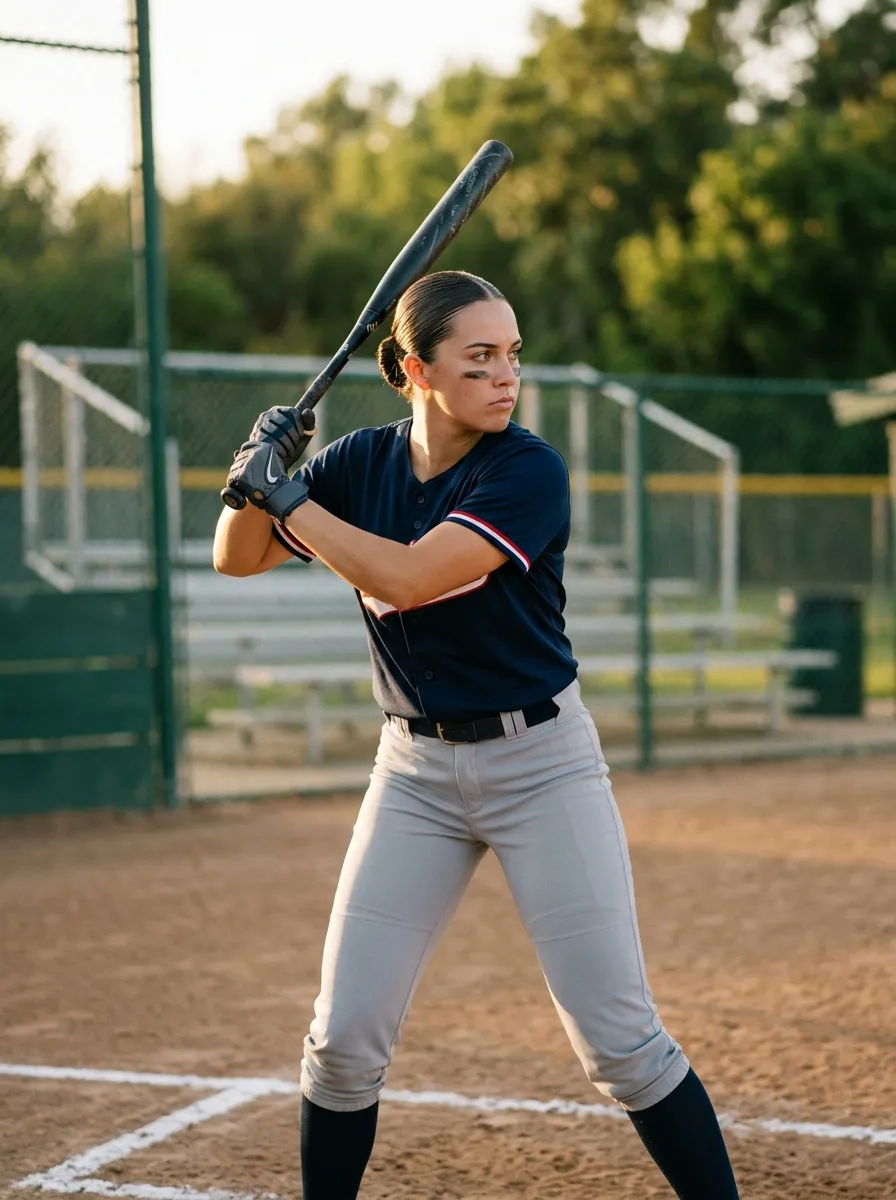
A slicked back bun offers a clean, no fuss look that keeps every strand under control. Use a small amount of gel or edge control to smooth hair back before gathering it into a tight bun. This style works especially well for players with shorter hairstyles or baby hairs that tend to stick up during play. A cheap alternative to salon products is using a small amount of coconut oil for hold, which many players already have at home. This look holds up in windy conditions better than a loose bun since the slicked back base resists frizz. It also pairs well with a cap since there’s minimal bulk at the crown. Catchers especially like this style since it fits neatly under a mask without shifting. The slicked back bun takes a bit more time to smooth properly, but the payoff is a style that holds through an entire double header. Sleek, controlled, and dependable, this look works for players who want their hair completely out of the equation on game day.
13. Fishtail Braid
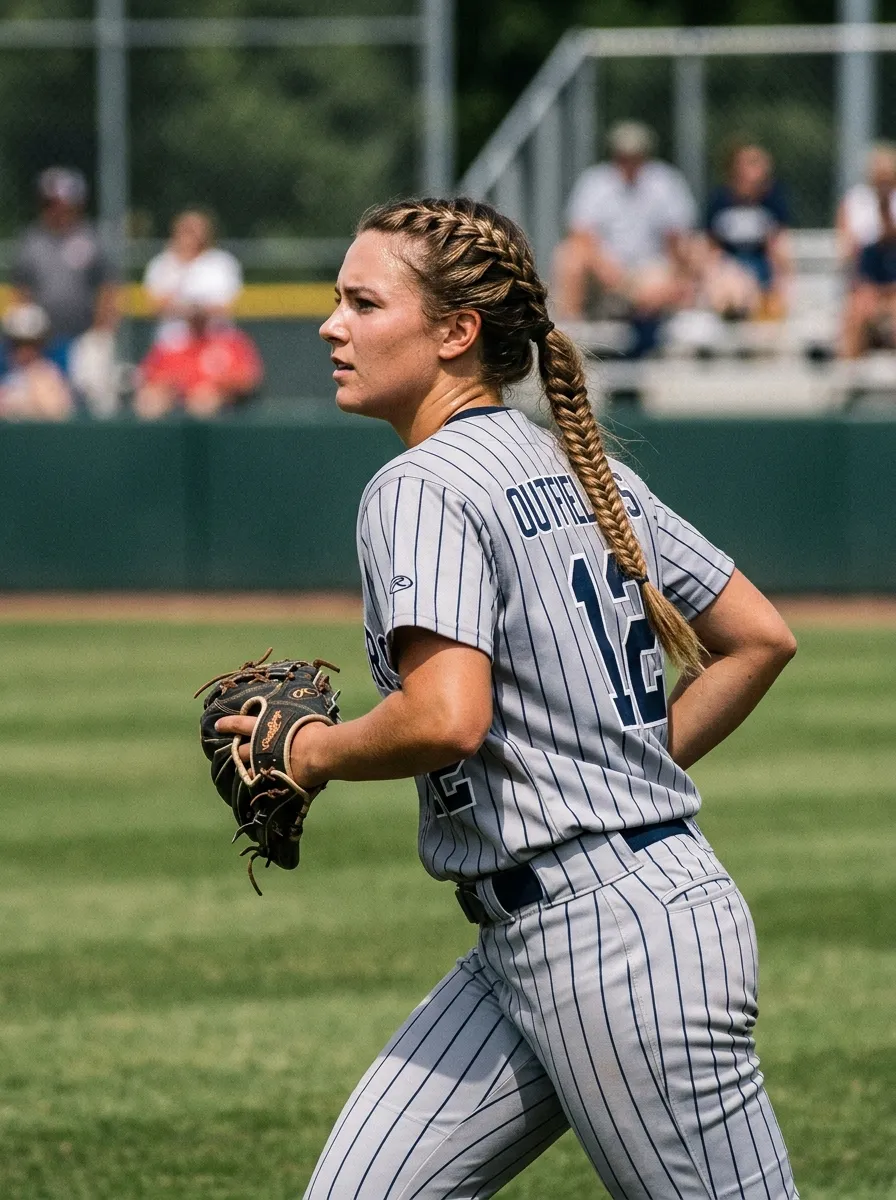
The fishtail braid offers a more detailed look while remaining just as functional as a standard braid. Instead of three sections, this braid uses two, crossing small pieces from each side repeatedly until you reach the ends. It takes a bit more practice, but the payoff is a braid that holds exceptionally well through movement. A budget friendly tip is starting with damp hair, since it’s easier to control small sections before they dry. This style works well for players who want something a little different for a tournament or all star game. It resists loosening even during full sprints, making it a solid choice for outfielders. Because the braid uses thin sections throughout, it also looks fuller once finished, which suits players with fine hair. Practicing this braid on a day off before trying it on game morning helps avoid rushing. Detailed, sturdy, and slightly more advanced, the fishtail braid rewards a little extra effort with a style that holds up beautifully through nine innings.
14. Braided Crown
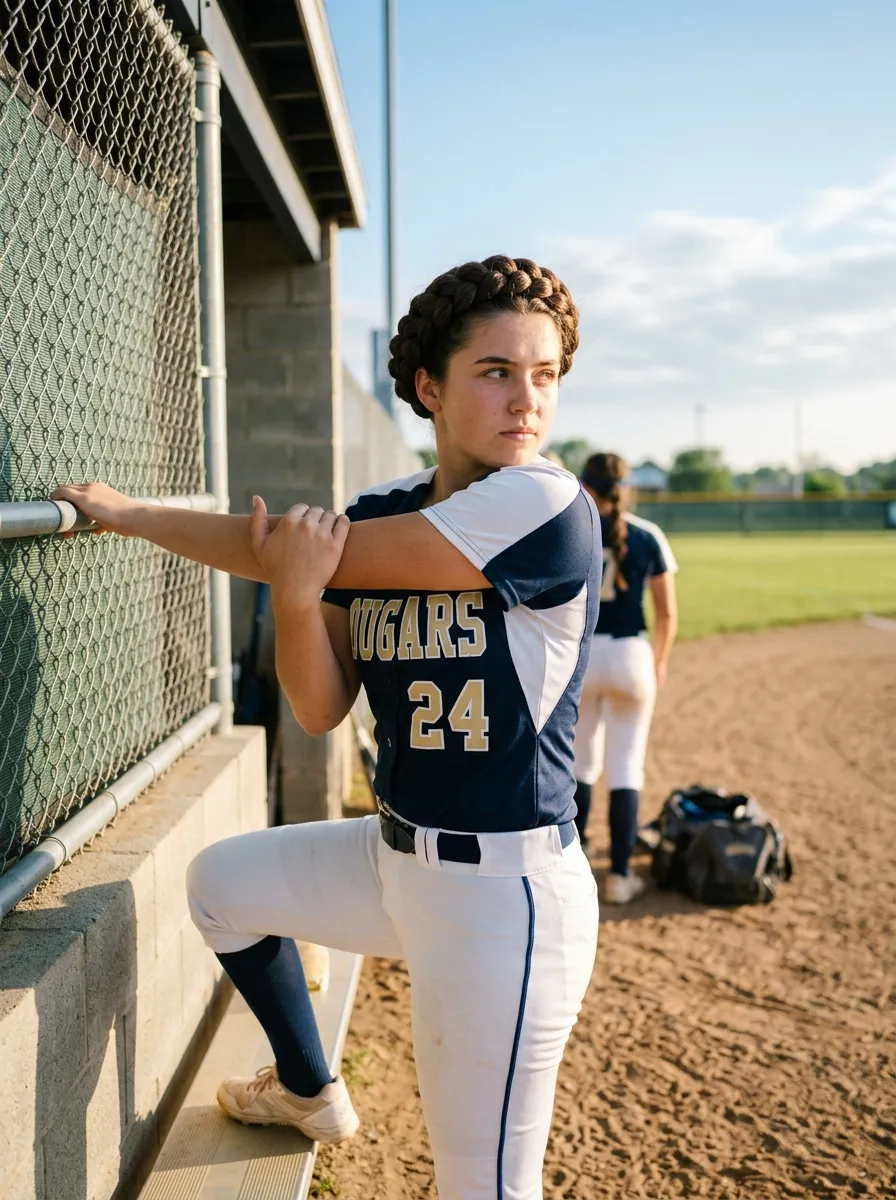
A braided crown wraps hair around the head, creating a style that keeps everything secured without a ponytail hanging down at all. Braid two sections starting near each ear, then cross them over the top of your head and pin them into place. This works well for players who find ponytails swing too much during running plays. It also keeps hair completely off the neck, which helps in hot weather. A cheap tip is using extra bobby pins along the braid’s path to prevent slipping as the day goes on. This style suits pitchers who want a look that stays still during their wind up motion. Because there’s no loose ponytail, this braid resists getting caught on jerseys or straps during dives. It takes a little longer to master, but many players find it becomes quick with practice. Tidy, secure, and distinctive, the braided crown offers a style built specifically for players who want zero hair movement throughout a game.
15. Twisted Ponytail
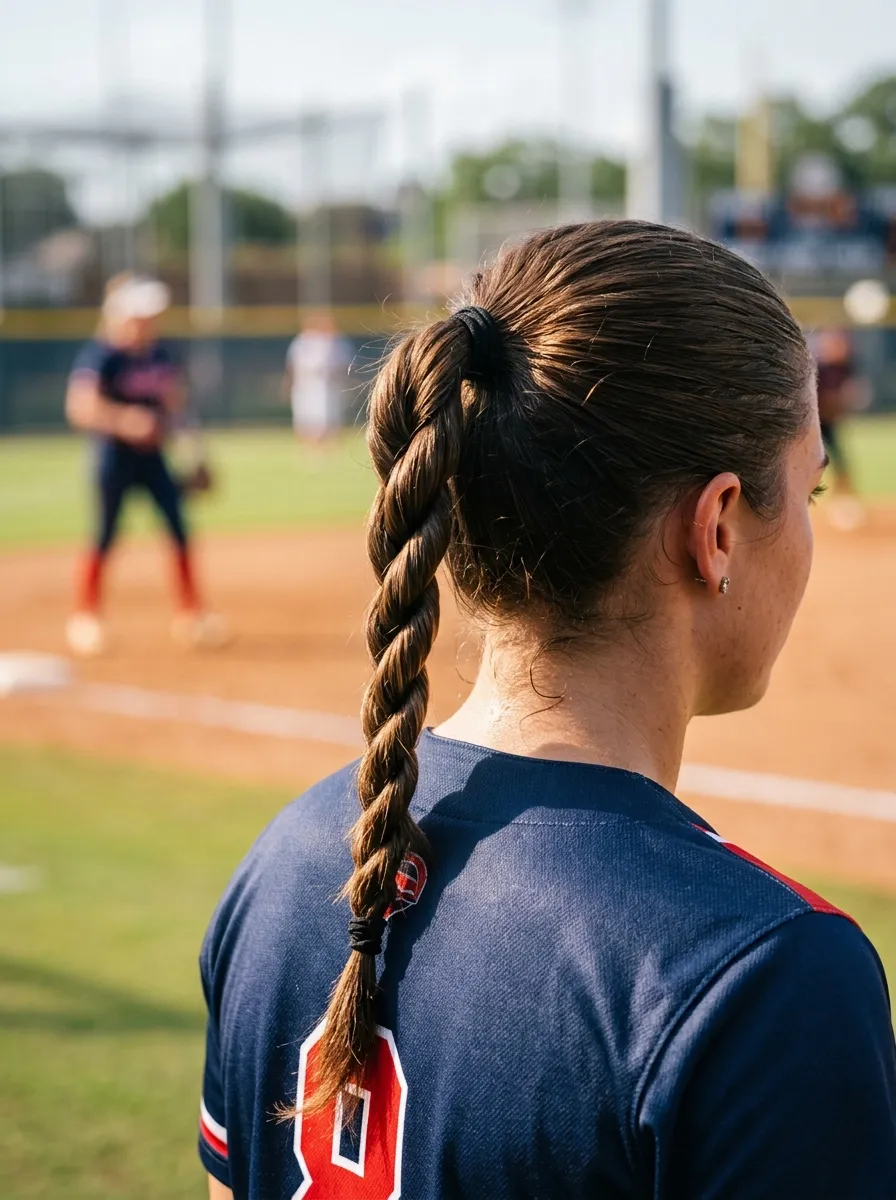
A twisted ponytail adds texture and hold without requiring a full braid. Gather hair into a ponytail, then split it into two sections and twist them around each other down the length, securing with a small elastic at the bottom. This style works well for players short on time who still want something a bit more secure than a plain ponytail. A budget friendly tip is using a texturizing spray, or even a light mist of salt water, to help the twist hold shape longer. This style resists slipping during running drills since the twisted strands create natural friction against each other. It also looks neat for photos without needing much styling time. Players with medium length hair find this style especially useful since a plain ponytail sometimes feels too short to stay secure. Quick, textured, and slightly more durable than a standard ponytail, the twisted ponytail offers an easy upgrade for busy game day mornings.
16. Braided Ponytail with Ribbon
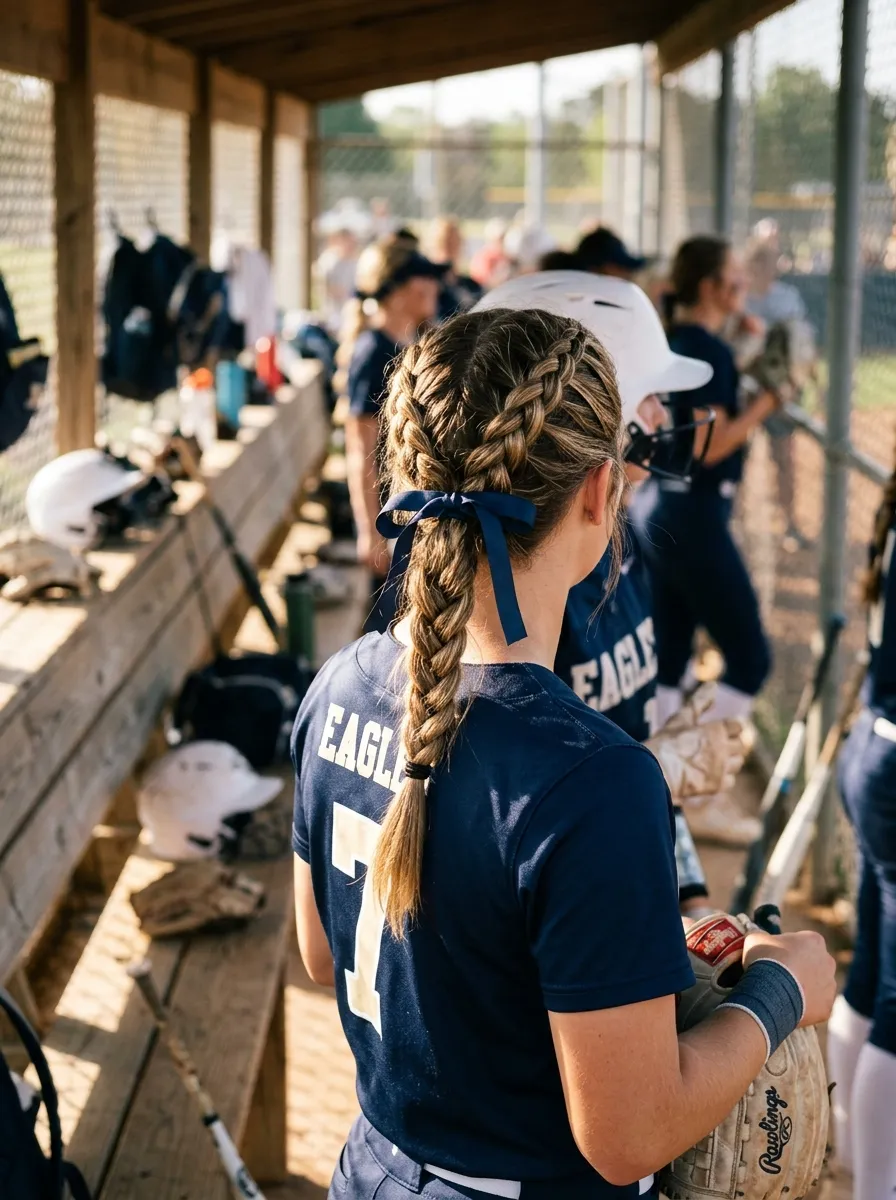
Adding a ribbon to a braided ponytail brings a small personal touch while keeping the style entirely practical. Braid your ponytail as usual, then tie a thin ribbon around the elastic at the top or weave it through the braid itself. This works well for team spirit days when players want to show school or team colors. A cheap way to do this is using leftover ribbon from gift wrapping instead of buying new hair accessories. The ribbon doesn’t affect the braid’s hold, so this style performs just as well during sprints and slides as a plain braid. It also gives younger players a fun way to personalize their look without changing the practical structure underneath. Parents often appreciate this simple addition since it requires no extra time beyond the braid itself. This style works for any hair length as long as the braid has enough structure to hold the ribbon in place. Practical with a small creative twist, the ribboned braid adds personality without sacrificing function.
17. Bubble Ponytail
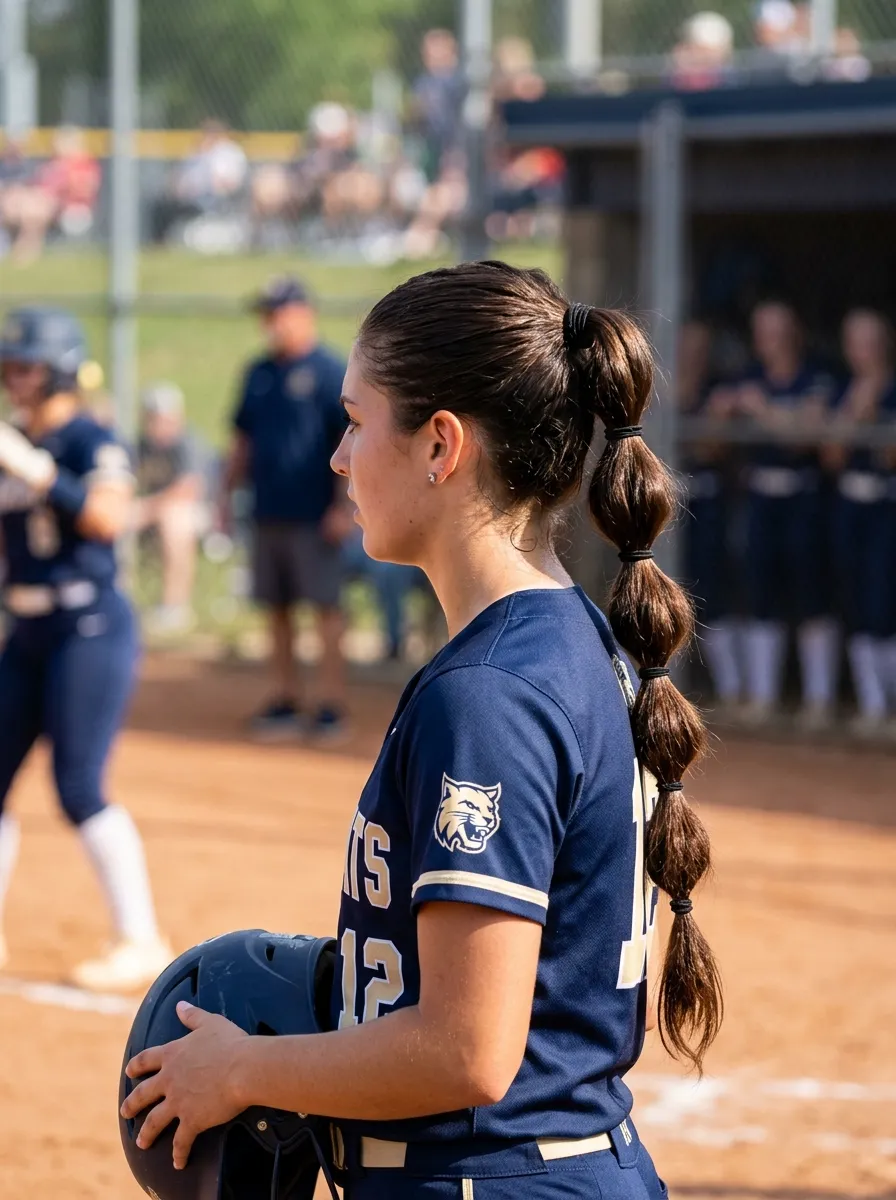
The bubble ponytail creates a fun, layered look by adding small elastics down the length of a regular ponytail. After securing your ponytail at the crown, add elastics every two to three inches down the length, then gently pull the hair between each elastic to create a rounded, bubble effect. This style holds up well through running plays since the elastics add extra points of security along the ponytail. A budget friendly tip is using clear, thin elastics so the bubbles look intentional rather than bulky. This style works well for team spirit days or all star tournaments where players want something a bit more eye catching. It also keeps hair contained better than a plain ponytail since the sectioned elastics prevent the whole length from swinging as freely. Younger players often enjoy this look since it feels a bit more decorative while still functioning well during play. Fun, secure, and easy to recreate, the bubble ponytail proves that practical style can still have personality.
18. Braid with Cap Combo
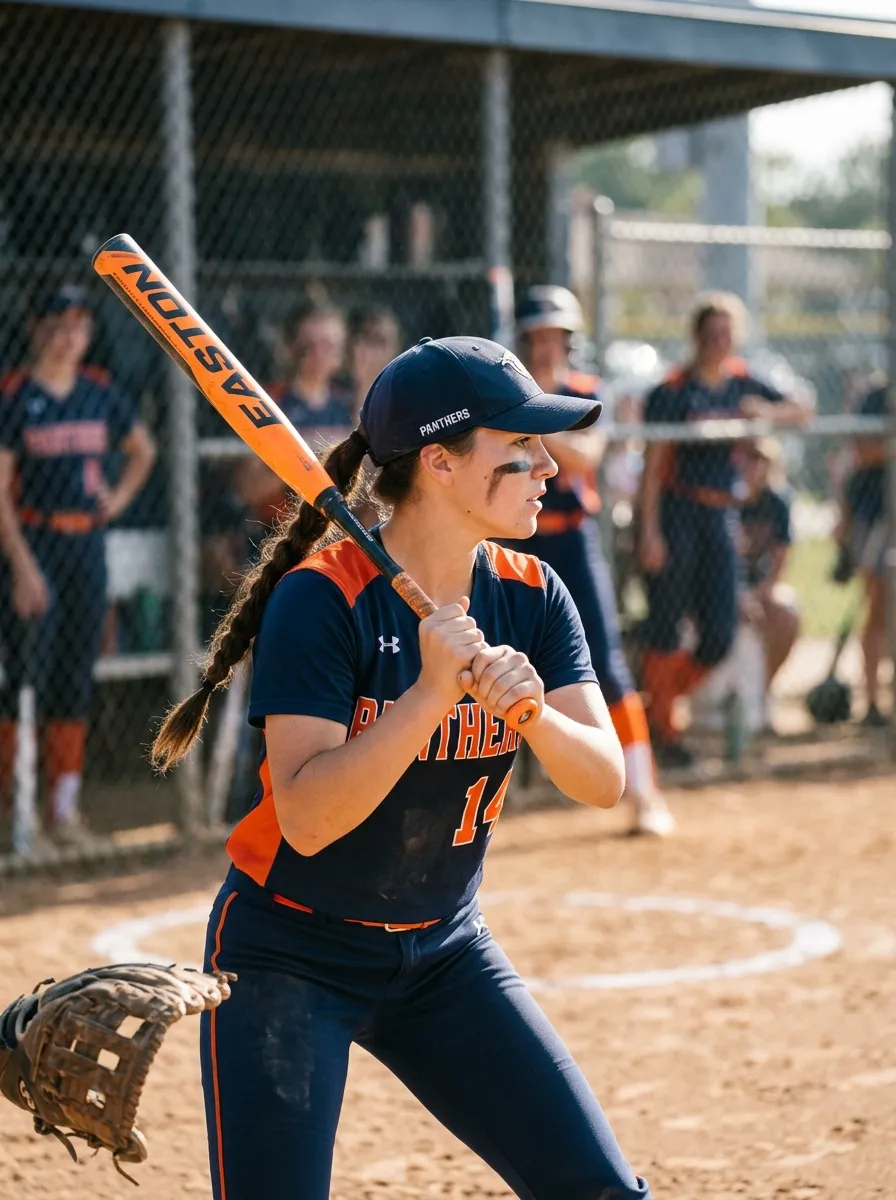
Combining a low braid with a cap solves two problems at once, keeping hair secure and shielding your eyes from the sun. Braid your hair low at the nape, then pull your cap on, letting the braid rest against your back. This style works especially well for outfielders who need clear vision during fly balls. A cheap tip is choosing a cap with an adjustable back strap so it doesn’t press too tightly against the braid’s base. This combo prevents hair from escaping around the edges of the cap, which often happens with looser styles. It also holds up through an entire game without needing adjustment. Players who wear glasses find this style particularly helpful since the braid keeps hair from sliding forward and interfering with their vision. This look works for practice and games alike, offering a simple, no fuss solution. Functional and fuss free, the braid with cap combo handles both sun and hair management in one easy step.
19. Sock Bun
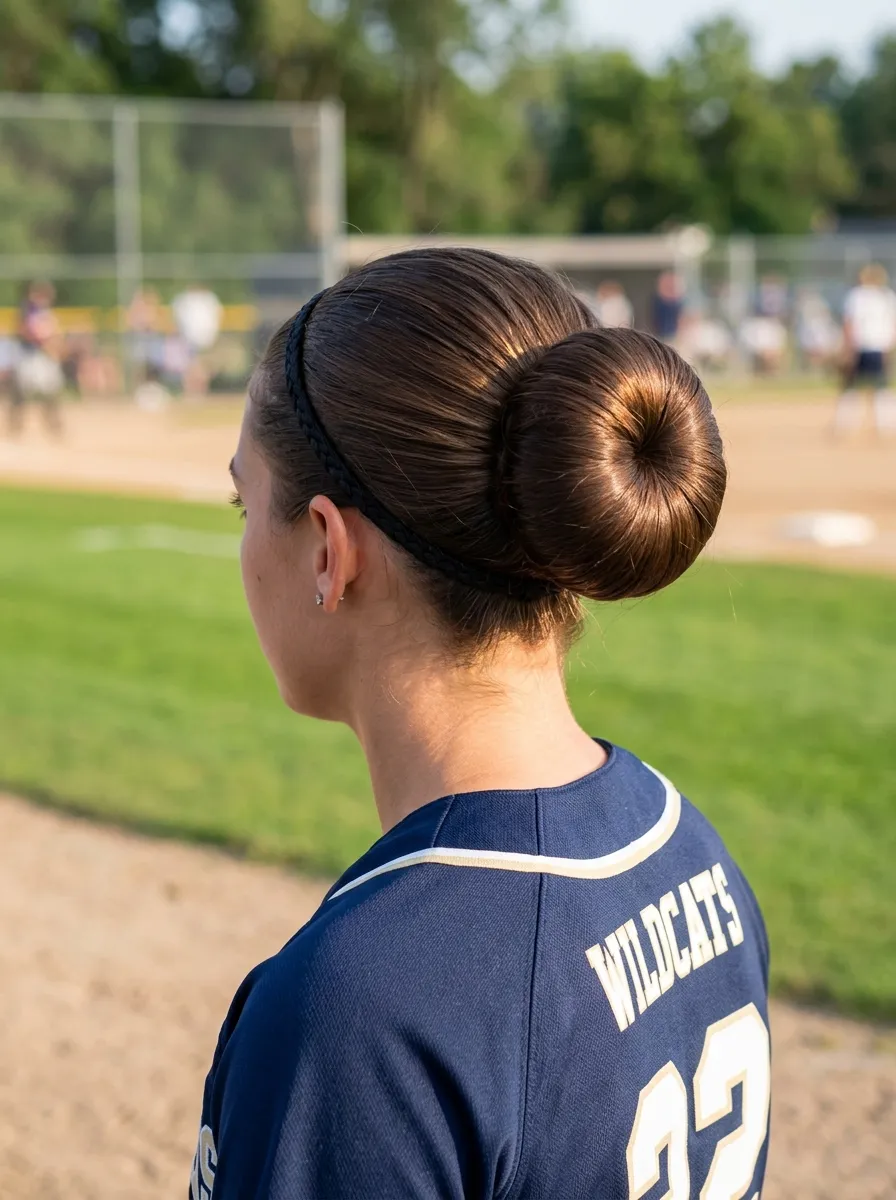
The sock bun uses a simple household trick to create a smooth, rounded bun without much effort. Cut the toe off an old sock, roll it into a donut shape, then pull your ponytail through the center and wrap hair around the sock until fully covered. Secure with bobby pins. This style works especially well for players with longer hair who want a bun without the bulk of traditional twisting. A budget friendly tip is reusing an old sock instead of buying a bun maker, since the result looks nearly identical. This bun holds its shape well through running and sliding since the sock base provides structure from the inside. It also looks neat for team photos without requiring much skill. Many parents like teaching this trick to younger players since it’s easier than a traditional twisted bun. Smooth, affordable, and surprisingly sturdy, the sock bun turns a household item into a reliable game day hairstyle.
20. Braided Half Pony with Twist
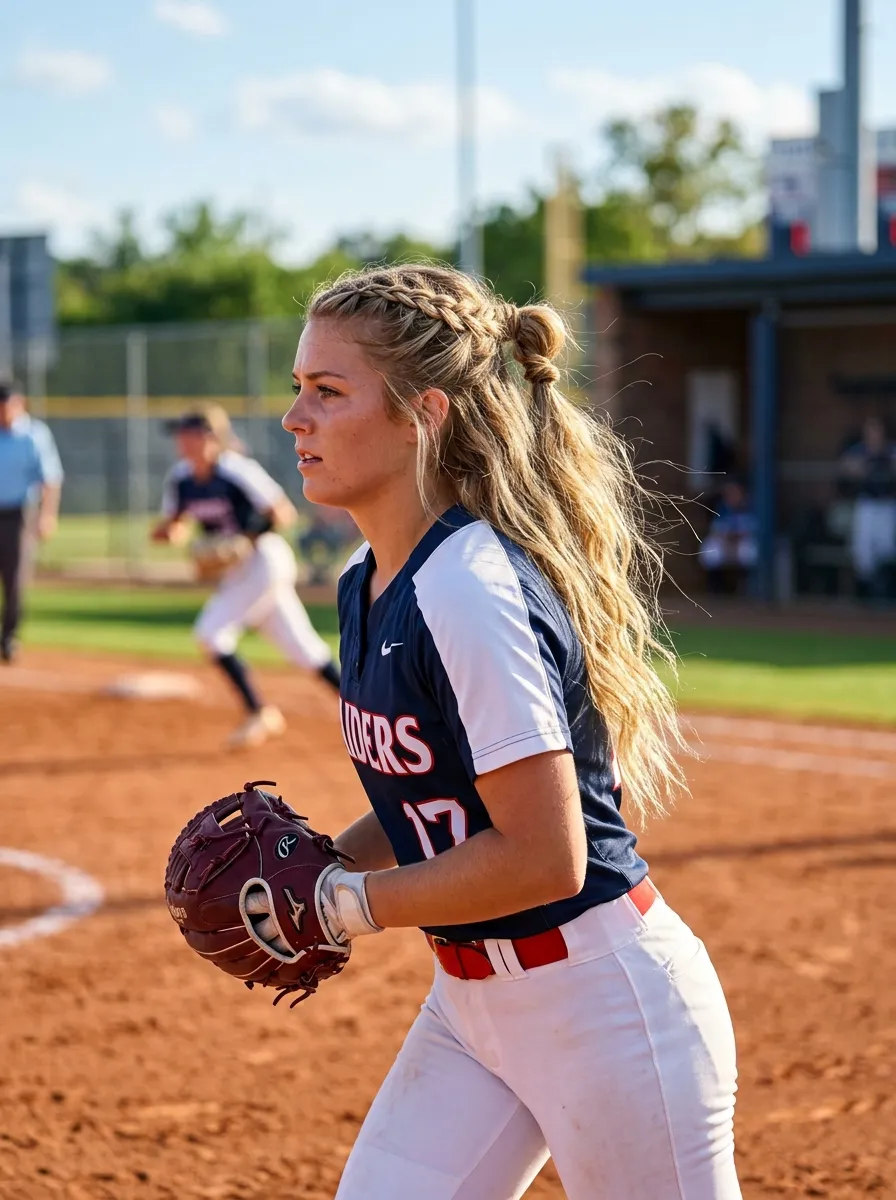
This style combines a half ponytail with a small twist detail for added texture. Take the top section of your hair, twist it once, then braid the remaining length before securing at the back. The twist at the base adds a decorative touch while the braid keeps the length controlled. This works well for players who want a style with a bit more detail without committing to a full braid. A cheap trick is using a clear elastic at the twist point to keep the transition smooth and secure. This style holds up well through infield plays since the combination of twist and braid resists loosening. It also suits players with medium length hair who find full ponytails too short to stay tied. This look takes just a few extra minutes compared to a plain half up style but adds noticeably more durability and interest. Detailed yet practical, the braided half pony with twist offers a style that looks good in photos and holds up through real gameplay.
21. Simple Bun with Headband
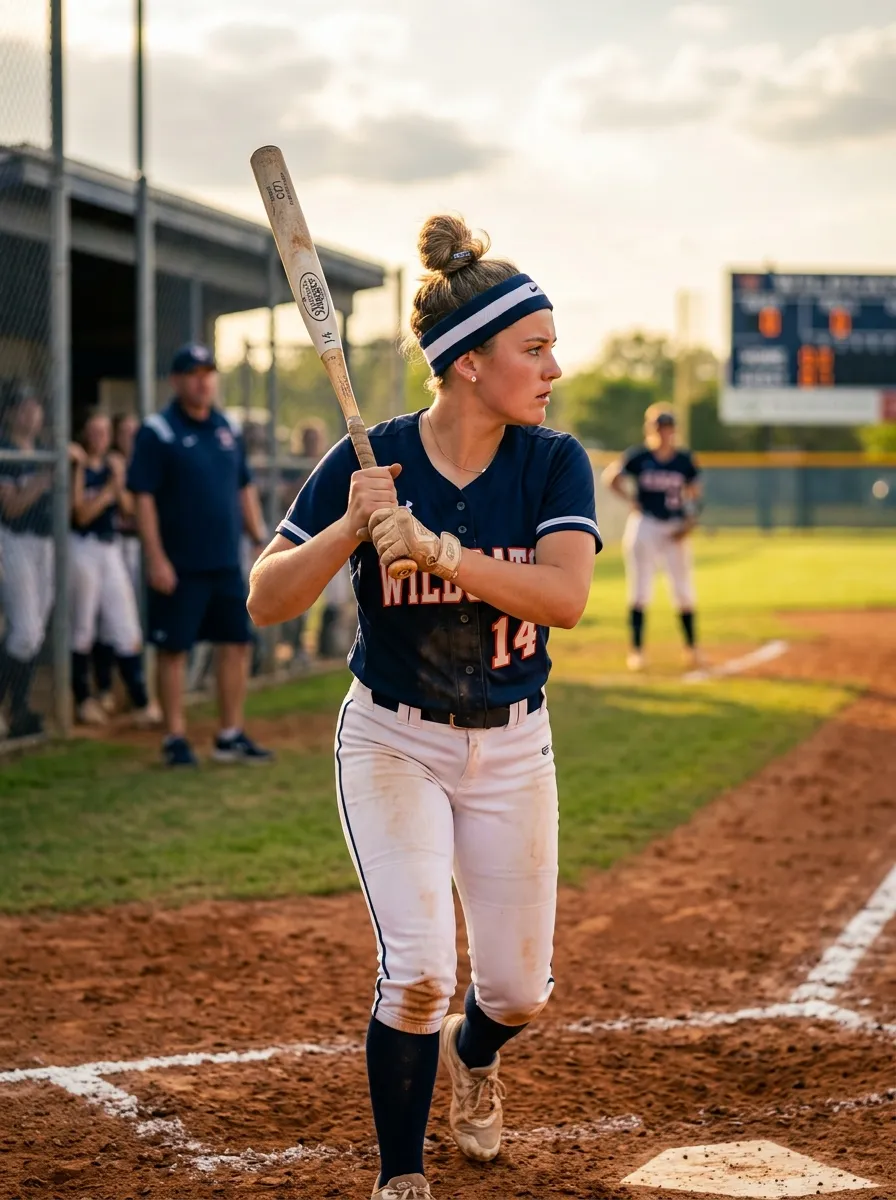
Sometimes the simplest combination works best, and a plain bun paired with a sporty headband checks every box. Gather hair into a bun at your preferred height, then add a stretchy athletic headband to hold back any shorter pieces or flyaways. This style works well for players who want a no fuss look that still stays neat through a full game. A budget friendly tip is choosing a headband with silicone grip strips, which cost only a little more but stay in place far better than plain fabric bands. This combo keeps hair fully off your face during pitching or fielding, improving visibility on fly balls and grounders alike. It also works for players growing out bangs, since the headband catches shorter strands that a bun alone can’t manage. This look requires almost no styling skill, making it ideal for early morning games when time is short. Simple, dependable, and endlessly practical, the bun with headband combo proves that comfort and function often go hand in hand on the softball field.
These twenty one styles cover every practical need a softball player faces on game day, from quick five minute options to slightly more detailed braids worth practicing ahead of time. Each one keeps hair secure through running, sliding, and diving while staying comfortable under helmets and caps. Try a few different looks during practice to see which holds up best for your hair type and position, then build a small rotation you can rely on all season. Comfortable hair means one less thing to think about once you step up to the plate.
Leave a Reply