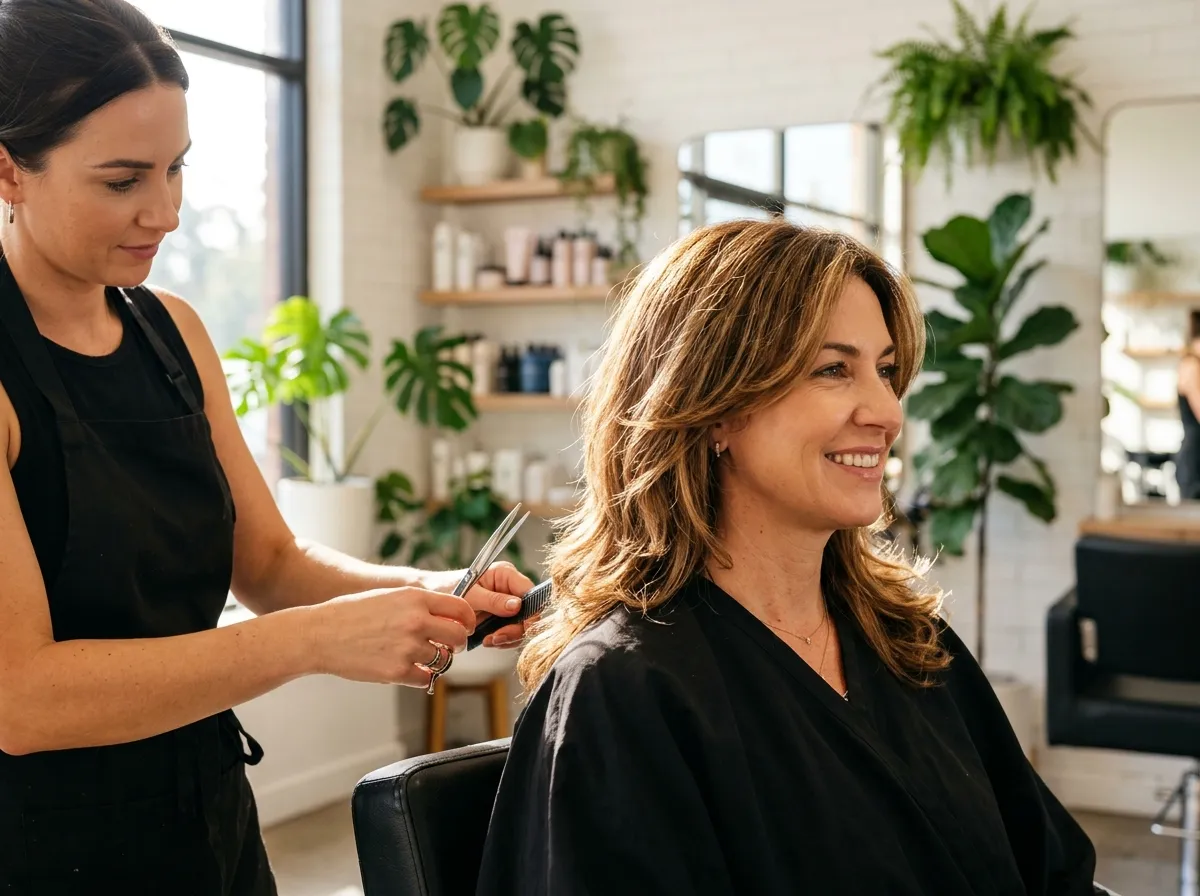
Spring haircut ideas 2026 is bringing some of the most exciting haircut trends we have seen in years. Whether you are growing out a bob, chopping off length, or just want something that feels alive and current, there is a cut on this list made for you. The right haircut does more than change your appearance. It changes how you carry yourself. It changes your mornings. It changes how you feel walking into a room. From soft curtain bangs to bold pixie cuts and everything in between, these 23 spring haircuts are practical, wearable, and completely worth a trip to the salon or even a try at home with the right tools. Read on and find the cut that clicks for you. If you’re also exploring Summer Haircut Ideas for Women, lightweight layers, textured bobs, airy shags, pixie cuts, and shoulder-length styles can help keep hair manageable, stylish, and comfortable during the warmer months while still looking fresh and modern.
1. The Butterfly Cut

The butterfly cut is having a real moment right now. It is named after the way the layers fan out when the hair moves, creating a wing-like shape. This cut works on straight, wavy, and slightly curly hair. It is one of the most requested salon styles heading into spring 2026.
The layers start at the crown and fall in feathered sections down to the ends. This gives the hair a lot of movement without losing overall length. If you have been wanting layers but are scared to lose too much, this is a great starting point.
Ask your stylist for long, face-framing layers that start around the cheekbone. The layers at the back should be cut in a soft V or U shape to keep things feminine and flowing.
At home tip: You can refresh butterfly cut layers between appointments by using a round brush when blow-drying. Lift the roots and let the ends fall naturally. A tiny bit of hair oil on the ends keeps them from looking dry.
This cut also works at mid-length. You do not need super long hair to pull it off. Even shoulder-length hair can carry butterfly layers beautifully with the right shaping.
2. The Shaggy Bob
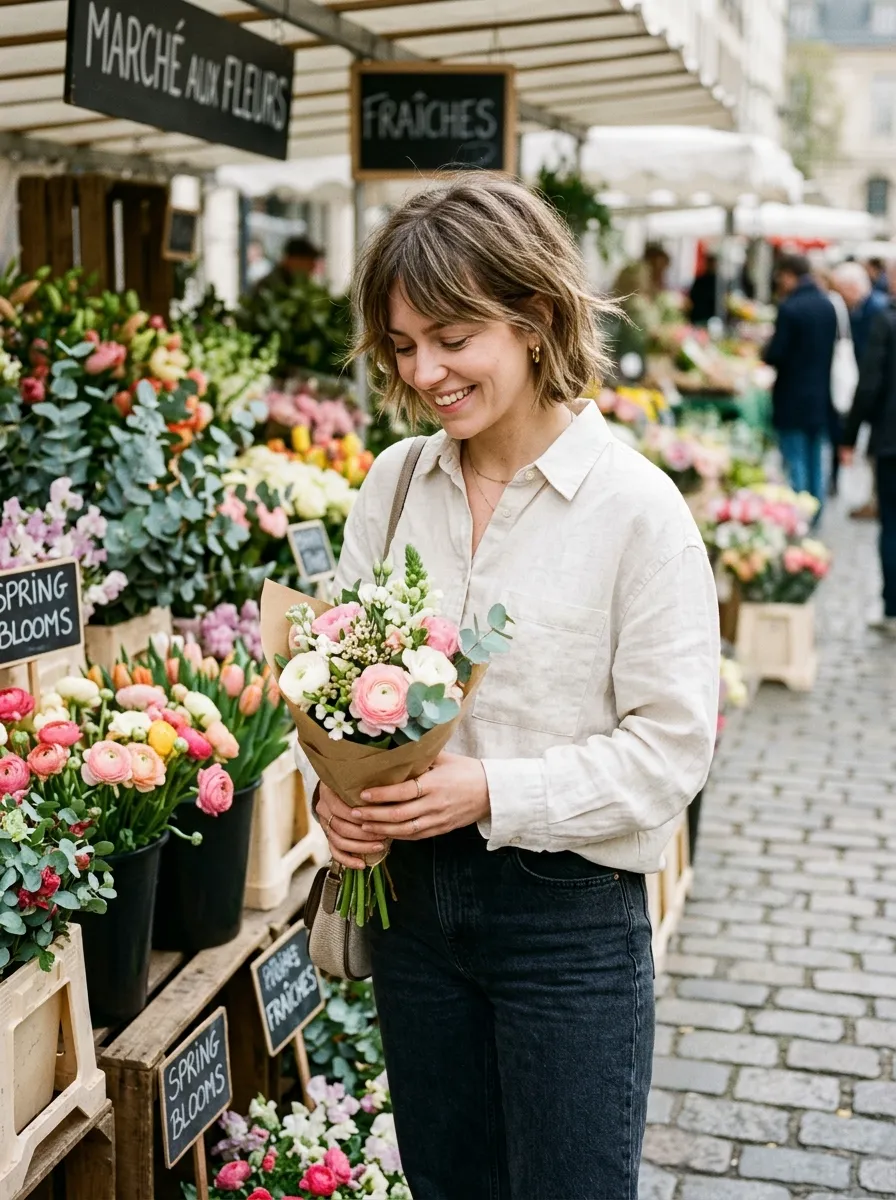
The shaggy bob is casual, cool, and low maintenance. It sits between the chin and the collarbone and features choppy, lived-in layers throughout. This is the kind of haircut that looks amazing on day two or three without much effort.
The shag element comes from the uneven ends and layering technique. There is no sharp, blunt line at the bottom. Instead, the ends are razored or point-cut to create texture. This makes the cut feel relaxed and modern rather than stiff.
It works beautifully on fine to medium hair because the layers add the appearance of volume. For thicker hair, it helps remove bulk without losing shape.
Key styling tool: A diffuser or a texturizing spray. Scrunch the ends after washing and let them air dry for an effortless, beachy result.
Going to a salon? Show your stylist a reference photo. Ask for choppy ends, a curtain bang option, and face-framing pieces. These three requests together create the perfect shaggy bob.
Budget tip: This cut does not need to be redone every six weeks. Every eight to ten weeks is plenty because the grown-out stage looks just as intentional as the freshly cut version.
3. The Curtain Bang Lob

The lob is a long bob that typically falls between the chin and the collarbone. Add curtain bangs to it and you get one of the most flattering and popular haircuts of 2026. This combination works on almost every face shape and hair type.
Curtain bangs are soft, parted in the middle, and swept to the sides. They do not cover the forehead fully. Instead, they frame the face gently and grow out gracefully. This makes them a low-commitment bang option.
The lob underneath keeps everything clean and polished. It is short enough to feel like a real change but long enough to pull back when needed.
Morning routine: Curtain bangs need a tiny bit of attention. A round brush and a blow dryer on low heat gives them their signature sweep. This takes about two minutes once you get used to it.
If you want to try curtain bangs at home before committing, use clips to fake the part and see how they frame your face. Many people are surprised by how much they love the look before even picking up scissors.
For the lob, visit a stylist every eight weeks to keep the shape. Curtain bangs may need a trim every four to six weeks.
4. The Micro Fringe
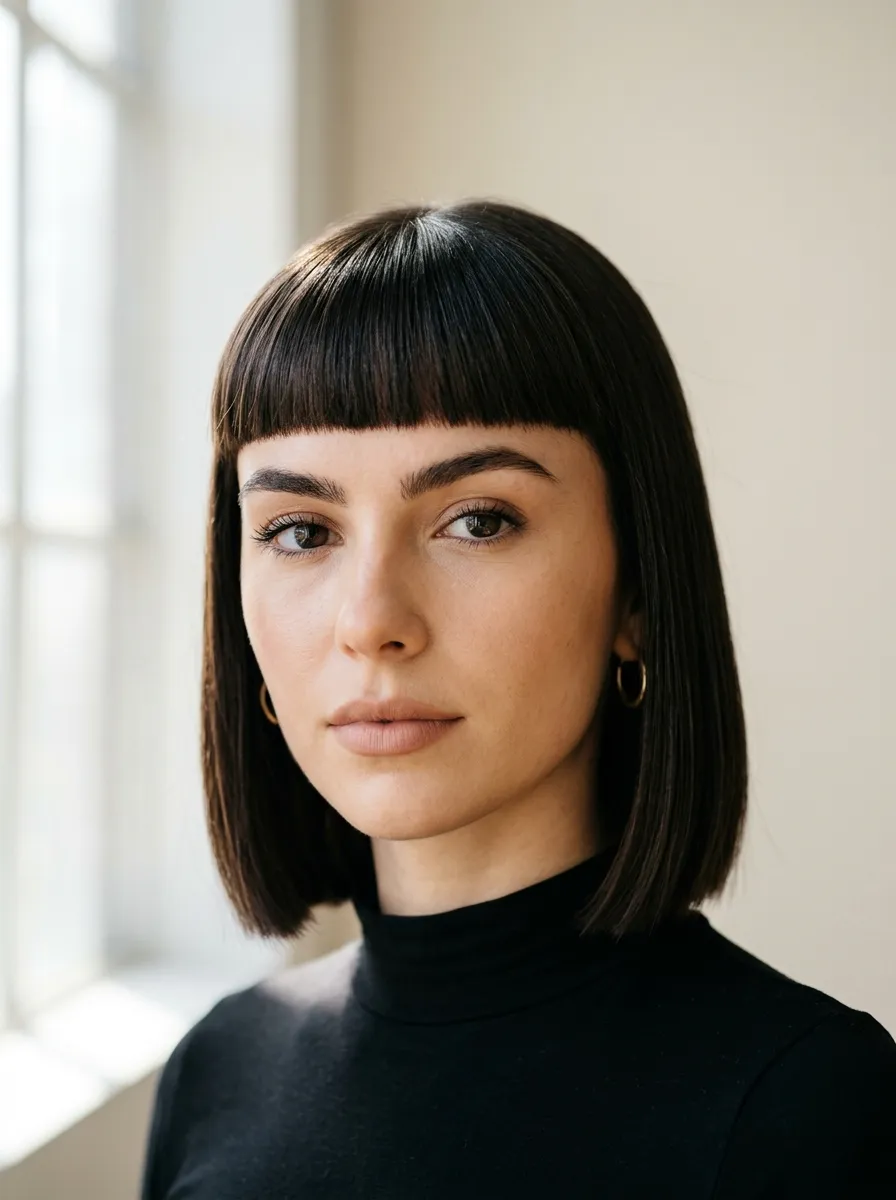
Micro fringe is bold. It sits well above the eyebrow, sometimes as high as mid-forehead. It is a deliberate, statement-making choice. If you want to change your look dramatically without losing your length, this is the move.
This style was all over runways and editorial shoots in late 2025 and it is carrying into spring 2026 with full force. The key is precision. The fringe needs to be cut straight and clean. A slightly uneven micro fringe looks like a mistake rather than a style.
It works best on straight or very slightly wavy hair. Curly hair can do micro fringe, but it requires more daily maintenance because curls can make the fringe appear shorter than intended.
Salon advice: Ask your stylist to cut micro fringe in dry hair, not wet. Hair shrinks when it dries. What looks like the perfect length when wet can become too short once dry.
At home maintenance means trimming every two to three weeks. Use small, sharp scissors and cut in a straight line across. Comb the fringe flat first, then trim.
This is not a commitment-free cut. Be ready to style it daily for the best look.
5. The Italian Bob

The Italian bob is a chin-length haircut that curves gently under at the ends to create a rounded, full shape. It looks polished and put-together without trying too hard. Think of it as the smarter, more structured cousin of the regular bob.
This cut gets its name from the classic, groomed aesthetic of Italian fashion. It is clean, confident, and works across many hair types. Fine hair benefits from the illusion of thickness it creates. Thicker hair gets shape and definition.
The ends are not choppy or textured. They are smooth and intentional. This is what separates the Italian bob from the shaggy bob. It is more refined.
How to style it: A round brush and a blow dryer are your best friends. Wrap the ends under slightly as you dry and use a medium-hold product to keep the shape. A spritz of shine spray adds that extra polish.
Budget tip: Ask your stylist for a one-length cut at chin level with minimal layering inside. This basic description creates the Italian bob shape. You do not need a fancy consultation. The cut is clean and simple.
It also pairs well with curtain bangs or a center part for added personality.
6. The Pixie Cut With Grown-Out Top
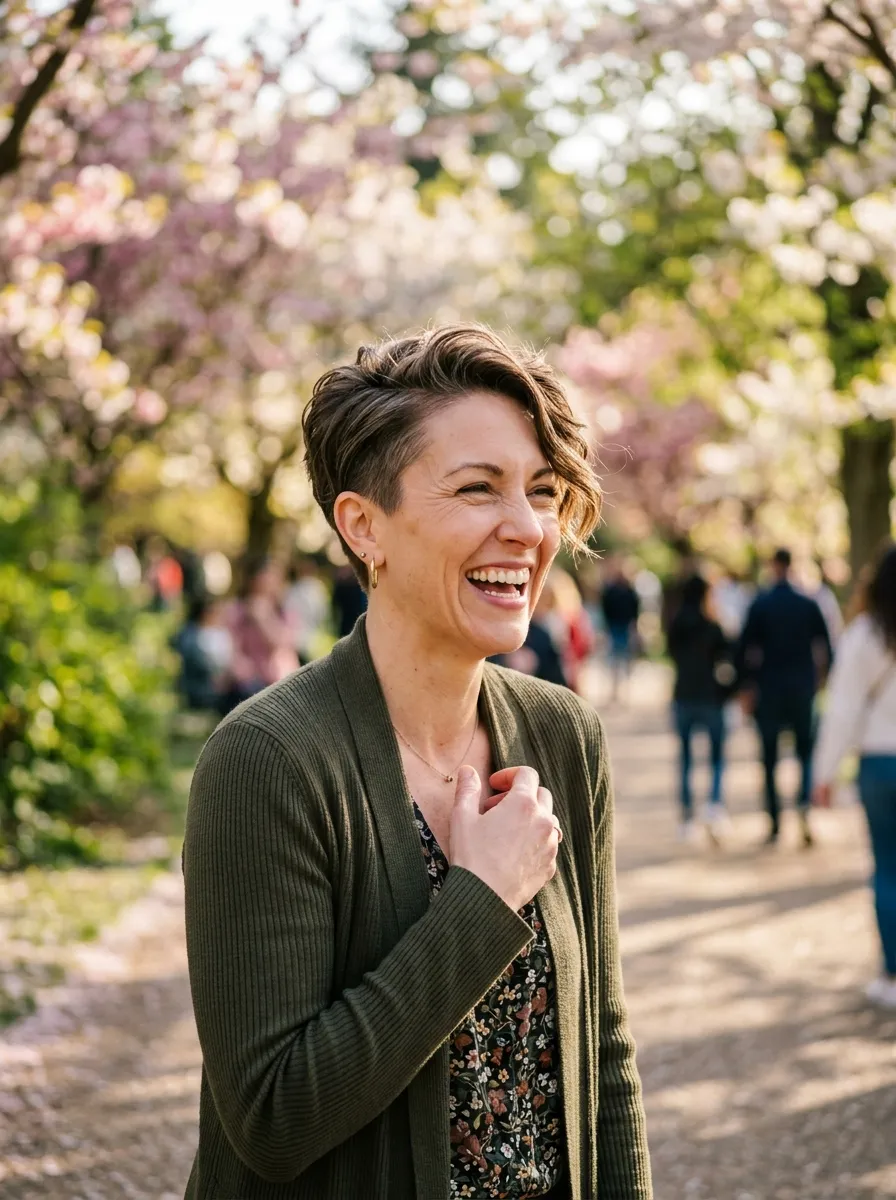
The classic pixie gets a spring 2026 upgrade with extra length on top. The sides and back remain short and tapered. The top grows out and is styled with texture and movement. This creates a balance between bold and wearable.
This version of the pixie is more forgiving than the traditional short-all-over cut. The longer top gives you styling options. You can push it back, sweep it to one side, or let it fall forward for a softer look.
It suits square, oval, and heart-shaped faces particularly well. The volume on top lengthens the face slightly while the short sides clean up the overall shape.
Product recommendation: A matte clay or pomade on the top pieces gives hold without making the hair look stiff or greasy. Work a small amount through the top and style with your fingers.
Maintaining this cut means a trim every five to six weeks. The sides and nape grow out quickly and lose the clean shape fast. Stay on schedule.
If you are nervous about going short, ask to see photos of grown-out pixie cuts first. Seeing the in-between stage helps set realistic expectations and often makes people more comfortable with the decision.
7. The Wolf Cut Reimagined
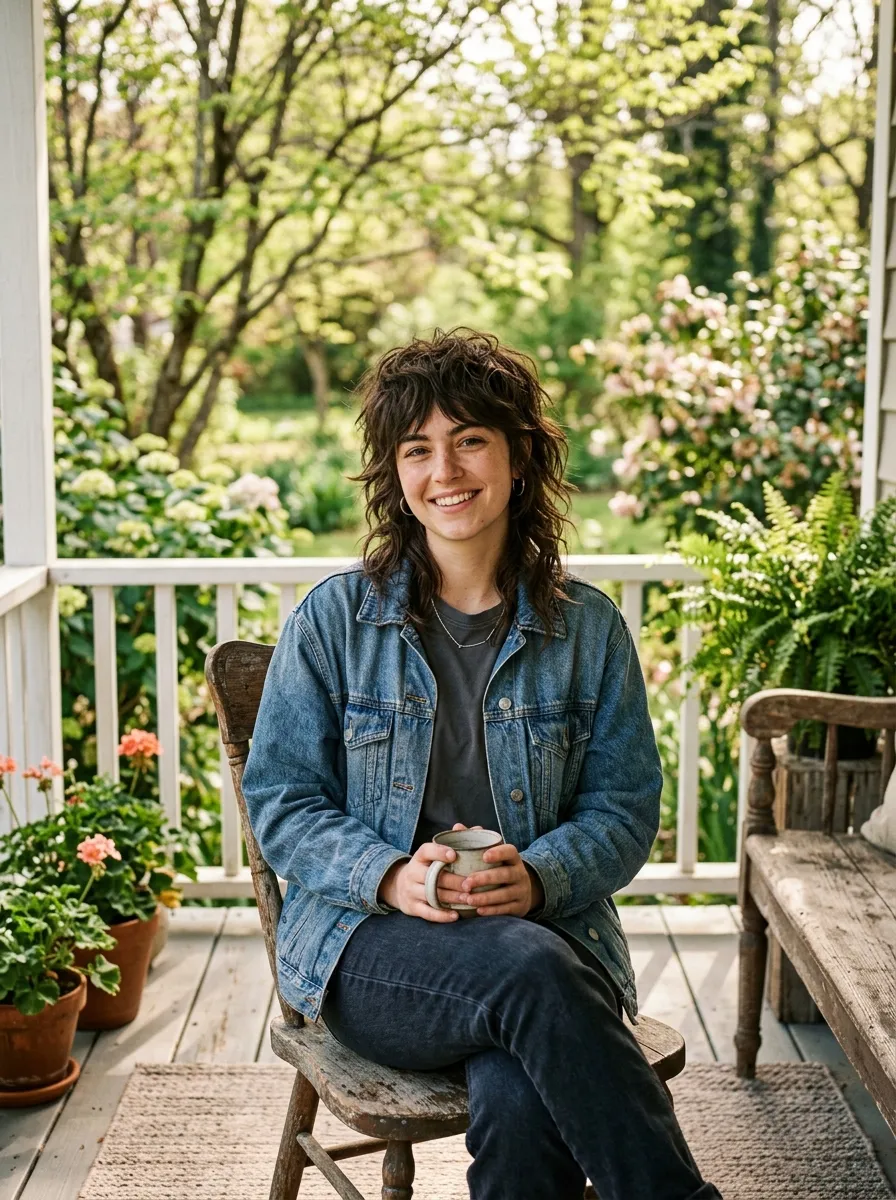
The wolf cut became hugely popular in 2023 and 2024. In spring 2026, it is back with a cleaner, slightly more polished version. The same shaggy, heavily layered look remains but the execution is more intentional and refined.
The new wolf cut keeps the signature layers and curtain bang combo but removes some of the extreme shag. The result is a cut that still has personality but works in more settings. You can wear this to work or a dinner and it reads as stylish rather than undone.
It works on almost every hair length from collarbone to mid-back. Longer wolf cuts have more drama. Shorter ones look more editorial.
Styling tip: Let it air dry about 80 percent of the way, then scrunch a small amount of mousse through the lengths. This enhances texture without making the hair look crunchy. Finish with a diffuser on low heat.
For DIY trims, focus only on the very ends. The internal layers are tricky to do at home without disrupting the overall shape. Leave those to a professional.
Ask your stylist for: Heavy internal layers, face-framing pieces, and light curtain bangs to complete the look properly.
8. The Collarbone Cut

The collarbone cut is exactly what it sounds like. It is a straight cut that falls right at the collarbone. It is one of those lengths that seems simple but works surprisingly well on many body types and face shapes.
This length is ideal if you are growing out shorter hair and want a goal length that still feels manageable. It is also great for people who want a clean, minimalist look without a lot of styling time.
With straight hair, this cut is effortless. With wavy or curly hair, the ends get to show their texture without the weight of longer hair pulling everything down.
Low-maintenance advantage: You can wear this length up in a small bun, half-up half-down, or completely down. It does not need much product or effort to look put together.
Budget tip: This is one of the simplest haircuts to request. Tell your stylist you want a straight cut at collarbone length with a dusting of the ends only. No fancy technique required. It should be one of the more affordable options on the menu.
Pair with a simple middle or side part and minimal product for a clean, confident look that photographs beautifully.
9. The Bixie Cut

The bixie is the middle ground between a bob and a pixie. It sits just below the jaw and has enough length to feel feminine while still being short enough to feel bold and modern. It is one of the most requested lengths of 2026.
What makes the bixie work is the layering. Unlike a blunt bob, the bixie has texture and movement built in. The top layers are slightly shorter and add lift while the lower pieces frame the face and jaw.
It suits those who want something shorter but are not ready to fully commit to a pixie. It is also a great option if you are in the process of growing out a pixie and want a defined shape at this in-between stage.
Styling tip: Run a small amount of styling cream through damp hair and let it air dry. The result is a naturally textured, lived-in finish. Add a tiny bit of pomade to the ends for definition.
Maintenance is every five to seven weeks to keep the shape clean. Let it go longer than that and it starts to look undefined.
Ask your stylist for textured ends, interior layers at the top, and a soft side part to get the full bixie effect.
10. The 70s Feathered Cut
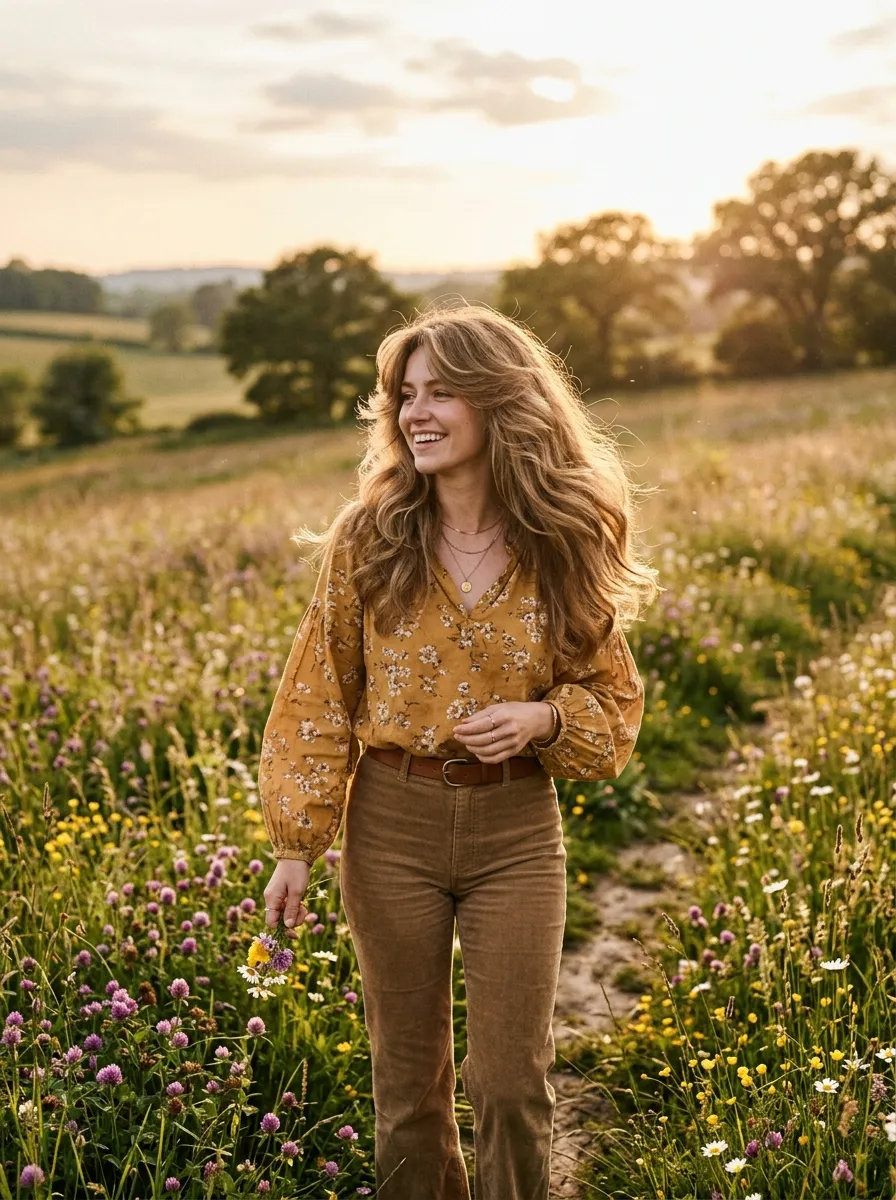
Retro styles are everywhere in spring 2026 and the 70s feathered cut is leading the pack. This is the layered, swept-back style made famous by classic Hollywood icons. It frames the face with long feathered pieces that flick outward at the sides.
The cut involves long layers throughout the hair with the face-framing sections blown out and shaped to sweep away from the face. The result is full, airy, and unmistakably retro without feeling like a costume.
It works best on medium to long hair. The longer the hair, the more dramatic the feather effect. On medium-length hair, it gives a beautiful vintage curtain bang vibe.
Key tool: A large round brush. This is non-negotiable for achieving the feathered effect at home. Heat the hair while wrapping it around the brush and flick the ends outward as you release.
The look pairs well with a center or side part. Use a light-hold hairspray to keep the swept sections in place without stiffening the overall shape.
Budget tip: A good round brush costs about ten to fifteen dollars and makes a huge difference. Invest in one and practice on dry, second-day hair before attempting on freshly washed strands.
11. The Textured Lob With Face Framing

The textured lob with face framing takes the classic long bob and adds a layer of personality. The face-framing pieces start at the cheekbone and fall forward to create a soft, flattering effect. The rest of the lob has texture built in through point cutting or razor work.
This is a practical choice for spring. It is light, it moves beautifully, and it does not require heavy products or tools. The texture does the work for you.
It suits straight and wavy hair types best. On curly hair, this can be adapted but requires a stylist who is experienced with cutting curly hair in its natural state.
For fine hair: The face-framing layers add the illusion of shape and fullness. Ask for soft, blended layers rather than dramatic ones to avoid the hair looking thin or stringy.
For thick hair: The texture removes bulk without losing length. This makes the lob feel much more manageable in warm weather.
Styling is easy. Apply a texturizing spray to damp hair, scrunch lightly, and let it air dry. The finished look is effortless and completely spring-appropriate.
Trim every eight weeks to maintain the shape. Face-framing pieces grow out quickly and benefit from a small snip between full appointments.
12. The Asymmetrical Bob
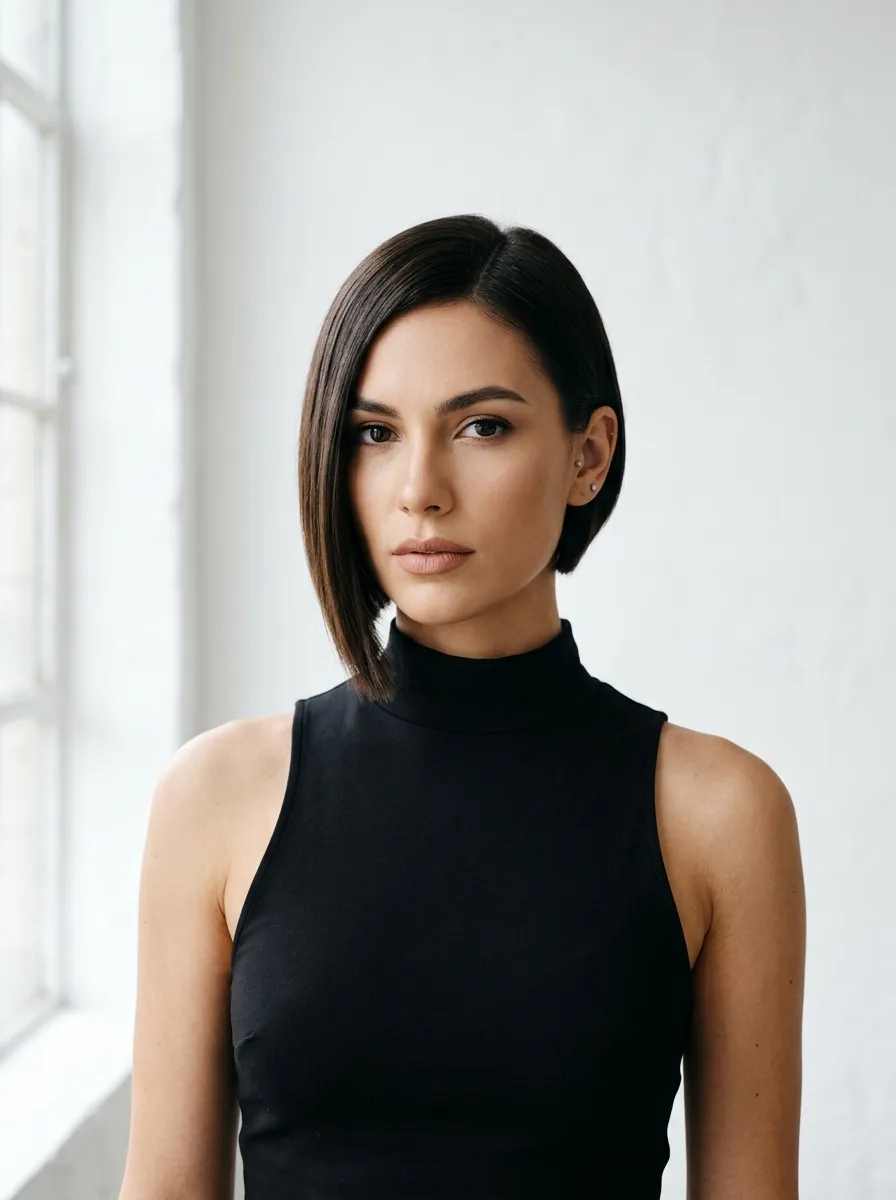
The asymmetrical bob is a statement. One side is longer than the other, creating an angular, geometric shape that looks intentional and striking. It is the kind of cut that gets noticed and makes an impression.
In spring 2026, the asymmetrical bob is appearing with slightly softer edges compared to previous years. Rather than razor-sharp angles, there is a bit more blending at the ends. This makes it wearable for everyday life while still keeping its edge.
It looks particularly good on people with strong facial features, defined jawlines, or those who love making a bold style statement.
Maintenance note: This is one of the higher-maintenance cuts on this list. The uneven length grows out unevenly, so you will want a trim every four to six weeks to keep the look sharp and intentional.
At home, blow-dry with a flat brush to keep the shape clean. A small amount of smoothing cream on the longer side prevents frizz and adds polish.
Budget tip: If you want to try the look without full commitment, ask for a slight asymmetry of about two centimeters rather than a dramatic difference. This gives the effect without the intense upkeep.
13. The Soft Shag

The soft shag is everything the regular shag is but turned down by about thirty percent. Less choppy. Less extreme. More wearable. It keeps the layered, textured essence of the shag but softens the overall execution.
This is a great option if you love the idea of a shag but work in a professional environment where an overly undone look would not fit. The soft shag reads as effortlessly stylish rather than deliberately disheveled.
It works on a wide range of lengths from chin to mid-back. The face-framing layers are softer and more blended. The ends have texture but not raw, jagged edges.
Morning routine: This cut was designed to air dry well. Spray in a texturizing product, scrunch gently, and let your natural hair pattern do the work. It takes almost no effort on most hair types.
For straighter hair, a diffuser on low heat mimics the texture beautifully. Use a curl cream or mousse before drying to add definition to the layers.
Salon visits every eight to ten weeks keep the shape intact. Between visits, trim the very ends at home if needed to prevent splitting from making the cut look unkempt.
14. The Blunt Bob

Sometimes the most powerful statement is the simplest one. The blunt bob has no layers, no texture, no choppy ends. It is one clean, straight cut at jaw length or just below. The result is graphic, bold, and completely timeless.
In spring 2026, the blunt bob is being worn with either a clean center part or a loose, effortless side part. Both look strong in their own way.
This cut works best on straight to slightly wavy hair. Curly hair can do a blunt bob but the shape changes significantly once it dries, which can work in your favor or make the cut harder to predict.
For fine hair: The blunt line creates the illusion of thickness and density at the ends. This is one of the most effective cuts for making thin hair look fuller.
For thick hair: The blunt bob keeps everything contained and clean. No extra bulk from layers, just a strong, solid shape.
Maintenance is every six to eight weeks. The blunt ends are the star of this cut. When they grow out and start to splay or split, the whole look loses its power.
Style with a flat iron for extra polish or air dry for a softer, more casual version. Both look intentional.
15. The Curly Shag

Curly-haired people deserve a shag made for their texture, not adapted from a straight-hair cut. The curly shag is designed specifically for curls and waves. It uses layers that work with the curl pattern rather than fighting it.
The layers are cut in a way that removes weight from the mid-lengths and ends, allowing the curls to spring up and form their natural shape. This gives the curly shag its signature fluffy, bouncy appearance.
One rule: Only get this cut from a stylist who has experience with curly hair. Cutting curly hair straight across or wet without accounting for shrinkage can ruin the shape entirely.
Ask for the Deva cut method or look for a curl-specialist stylist in your area. Many salons now specifically advertise curly hair expertise.
At home, the styling routine is the same as your usual curl care. Apply your cream or gel on soaking wet hair, scrunch, and diffuse. The layers will become more defined as the hair dries.
Budget tip: The curly shag grows out well. You do not need trims as frequently as with straight-hair cuts because the natural curl shrinkage keeps things looking intentional longer.
16. The Side-Swept Bang Bob

Side-swept bangs are back. Not the heavy, dramatic version from the 2000s but a softer, more modern take. Paired with a bob, they create a look that is elegant, put-together, and quietly stylish.
The bangs start at the part and sweep across the forehead to one side, blending naturally into the rest of the hair. They are long enough to tuck behind the ear when you want them out of the way.
This works brilliantly on square, round, and diamond face shapes because the diagonal line of the sweep draws the eye across rather than straight down.
Styling the bangs: A paddle brush and low heat blow-dry sweeps them into place. Dry them in the direction you want them to sit and they will hold the shape naturally. A touch of pomade on the ends keeps flyaways down.
Growing out this bang is easier than a full fringe. As it grows, it transitions into a face-framing layer effortlessly. This makes it a lower-risk bang choice for those who are unsure.
Pair with a clean bob at jaw or collarbone length. Soft, blended ends work better than blunt ends with this bang style for a harmonious overall shape.
17. The Modern Mullet
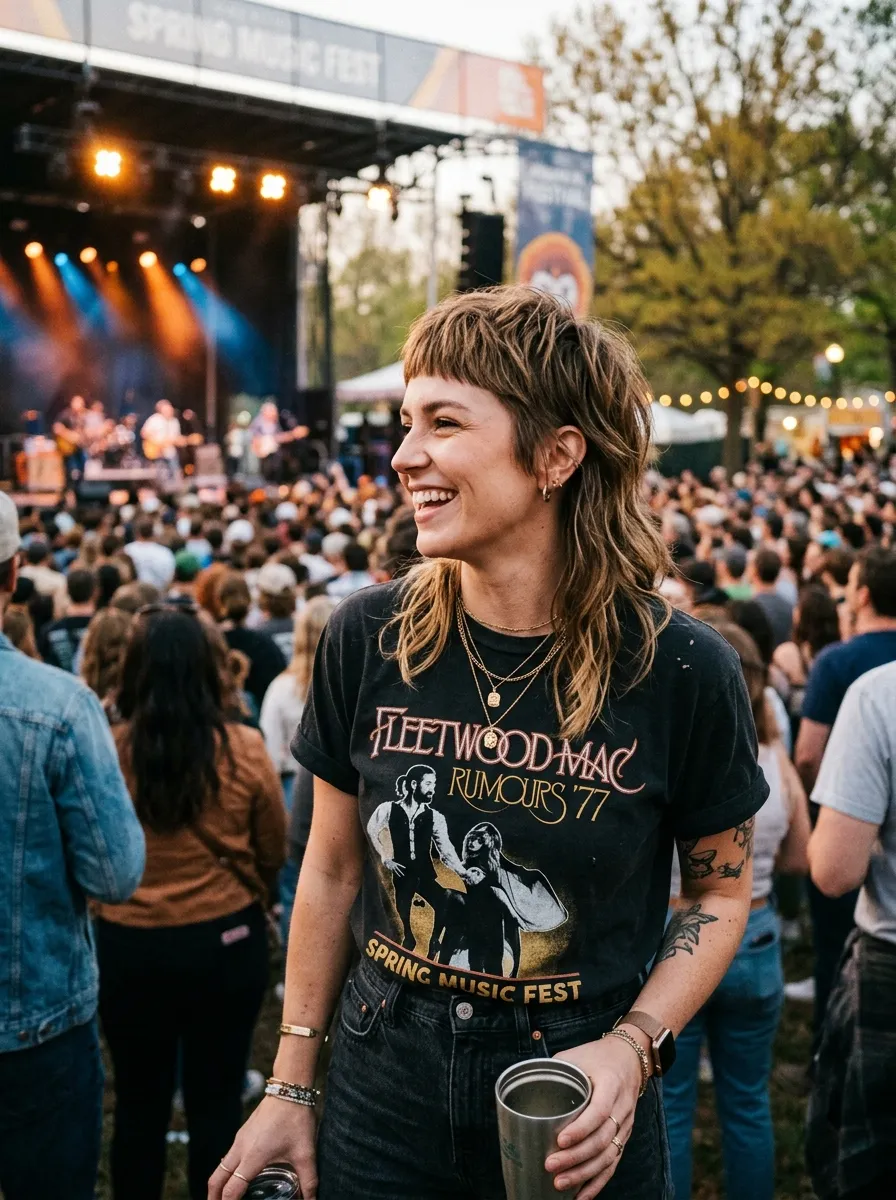
Yes, the mullet is still here. But the modern version is nothing like the one your dad had in the 80s. It is shorter and sharper at the front, longer and textured at the back, and the overall shape is intentional and cool rather than accidental and unfortunate.
The modern mullet works when the proportions are right. The front and sides should be short and clean. The back should have layers and texture rather than just length. This balance is what makes it look like a deliberate style choice.
It suits people who love having a conversation-starting haircut. This is not a background cut. It comes with confidence built in.
Styling tip: Blow-dry the top forward slightly and then push it back for volume. Use a light wax or clay on the back sections to separate the layers and add definition.
This is not a great DIY cut. The balance between front length and back length requires an experienced hand. Find a stylist who has done modern mullets before and bring reference photos.
Maintenance is every six weeks. The back grows faster than the top and the balance shifts quickly without regular trims.
18. The Grown-Out Pixie
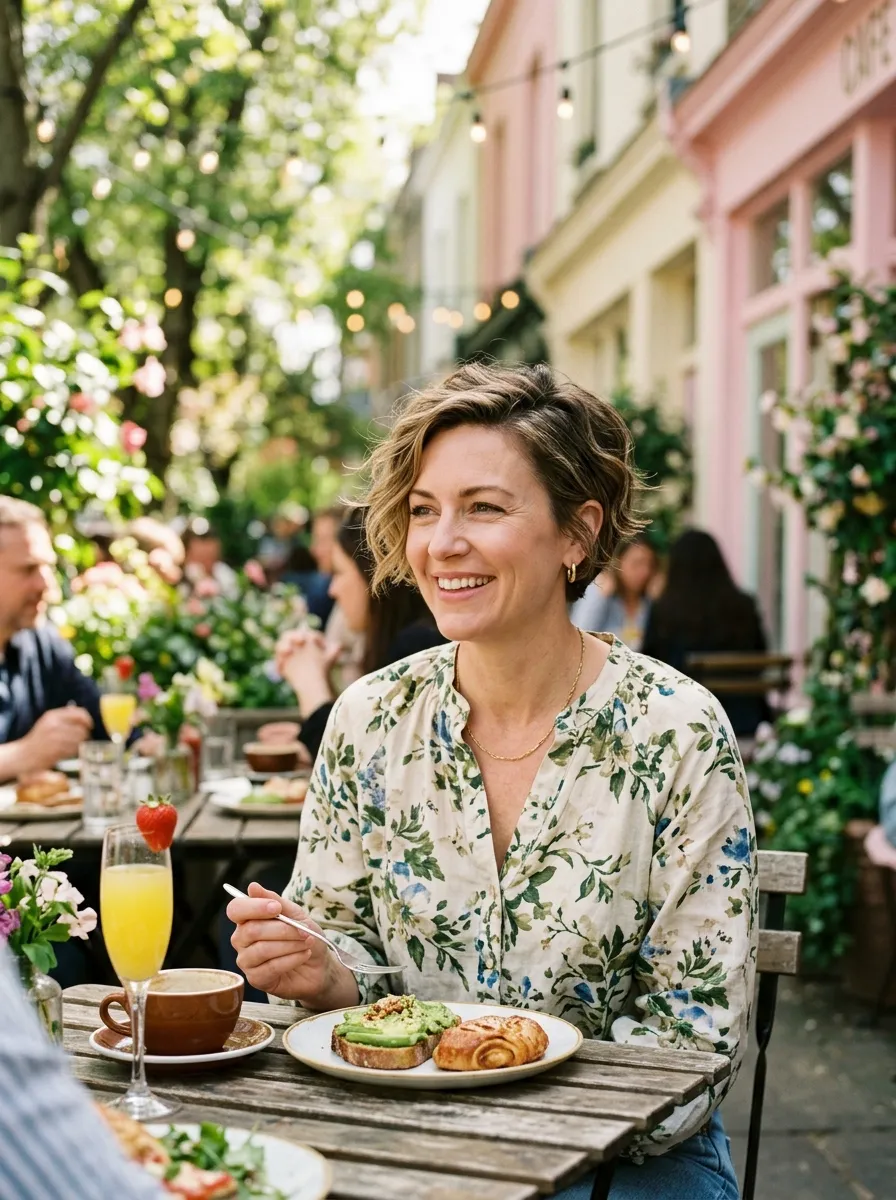
Growing out a pixie cut has a reputation for being painful. But with the right styling, every stage of the grow-out can look intentional and good. Spring 2026 is actually embracing this in-between length as a style in its own right.
The grown-out pixie typically sits somewhere between two and four inches of length all over. The top starts to get fuller and the sides and back fill in. At this stage, texture is your best friend.
How to work it: Use a texturizing spray or mousse on damp hair and scrunch it. Let it air dry for a soft, effortless look. Push the top to one side for a casual, modern finish.
Headbands and hair clips are also genuinely helpful here. A thin elastic headband worn slightly back on the head controls the awkward top length while still looking deliberate.
Budget tip: Ask your stylist for a small shape-up every six to eight weeks during the grow-out. Just cleaning up the nape and sides keeps the overall look tidy without removing the length you are working to build.
Be patient. The grown-out pixie is worth it. Every phase has its own charm when you know how to style it.
19. The Retro Flip Bob
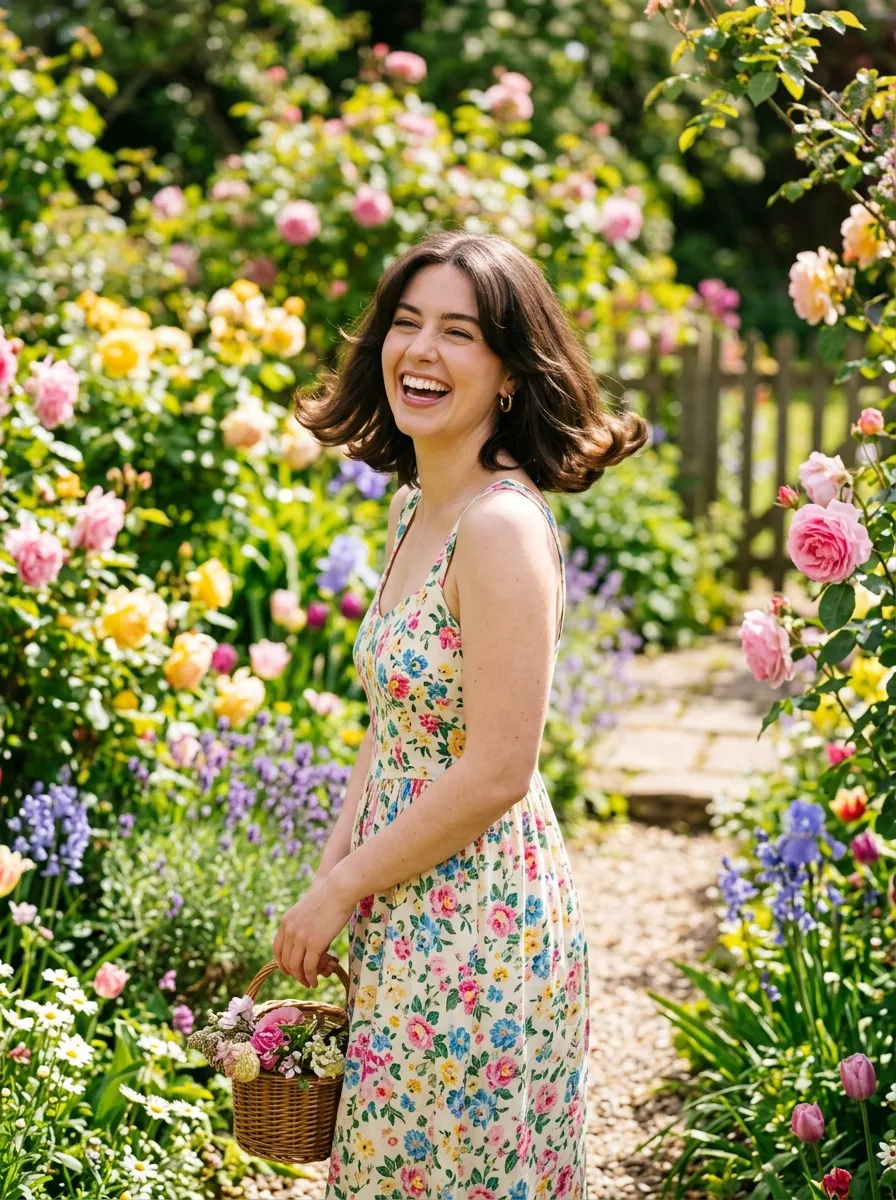
The retro flip bob pulls inspiration from 1960s styling. The ends of the bob curl outward rather than under, creating a bouncy, playful silhouette. It is flirty and fun without being over the top.
The base is a standard bob at chin to collarbone length. The magic is in the styling. A large barrel curling iron or hot rollers are used to flip the ends outward slightly. The result looks polished and nostalgic without requiring a complicated cut.
This means you can technically achieve this style on any existing bob or lob. You do not need a new haircut to try the flip. Just use a curling wand to roll the ends outward and finish with a light-hold spray.
For a more built-in flip, ask your stylist to cut the ends with a slight outward bend in mind. This is called a C-shape blowout cut and it helps the ends naturally want to flip when dried.
Budget tip: Hot rollers from a drugstore can recreate this effect for about twenty dollars. Set them in the ends for ten minutes, let cool, and remove for instant retro bounce.
This look pairs beautifully with a thick fringe or curtain bangs.
20. The Lived-In Long Layers

Sometimes the best haircut is the one that looks like you barely had anything done. Lived-in long layers are exactly that. Long hair with soft, blended layers throughout that add movement and lightness without dramatically changing the shape.
This is the perfect option for people who are growing their hair but feel like it looks flat and one-dimensional at longer lengths. A few soft layers woven in can completely change how the hair sits and moves.
It also suits people who want minimal change but maximum freshness from a salon visit. Tell your stylist you want soft interior layers only, no face framing, and just a light trim of the ends. This request will get you exactly the lived-in layer result.
At home maintenance: Use a light hair oil through the mid-lengths and ends to keep the layers looking glossy and healthy. Layers tend to dry out at the ends faster than blunt cuts, so moisture is key.
A wide-tooth comb rather than a brush keeps the layers from tangling and losing their shape between washes.
This cut looks gorgeous air-dried, blow-dried, or in a loose braid. It has the widest range of wearable styles out of any cut on this list.
21. The French Crop
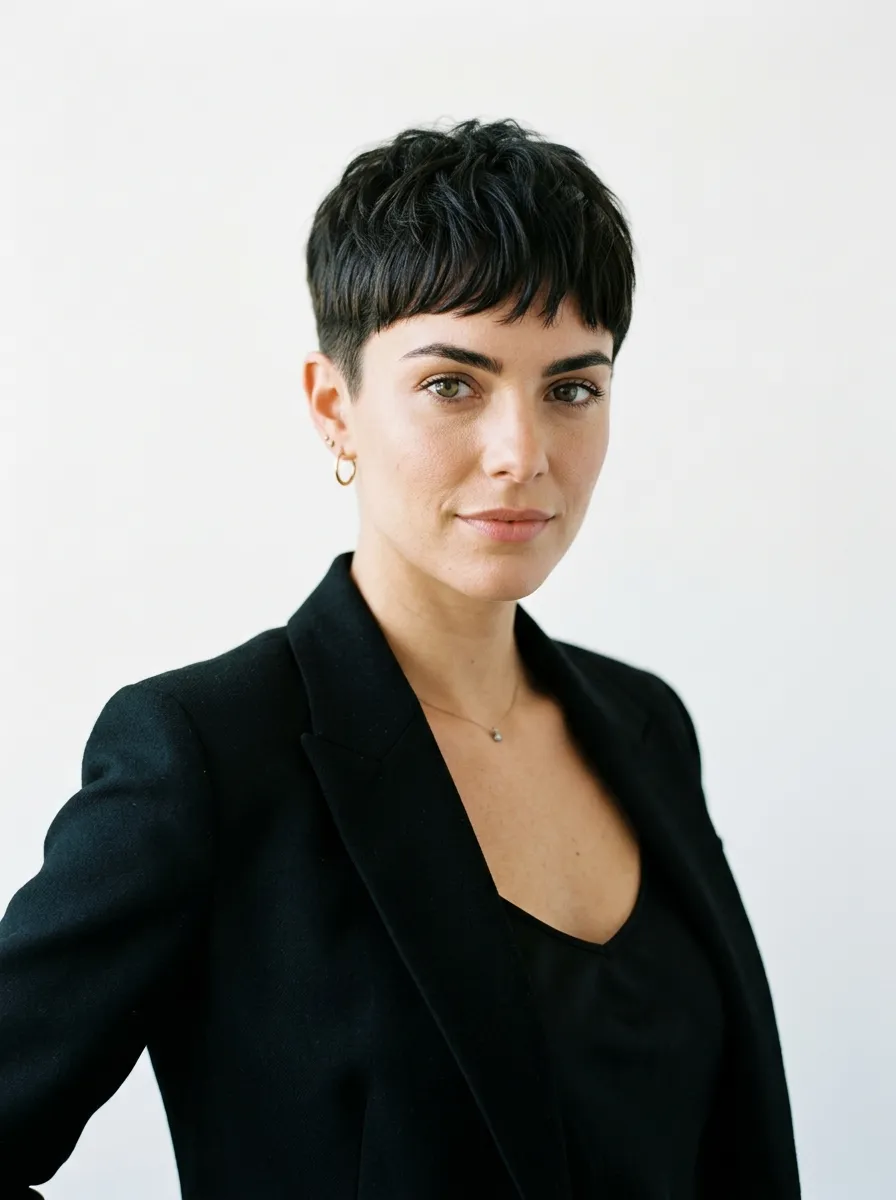
The French crop is a short cut that is big on confidence. It features short, tapered sides and back with a slightly longer top section that falls forward into a soft, textured fringe. It is cool, clean, and completely effortless to style once you have the cut.
This is different from a traditional undercut. The French crop has a more even length all over, with the distinction coming from the fringe rather than extreme side-to-top contrast.
It works on any gender and any face shape. The fringe can be adjusted to be shorter or longer depending on your forehead size and personal preference.
Daily styling: Apply a small amount of matte paste or clay to the top section and push it slightly forward. Let the fringe fall naturally. The whole routine takes under two minutes.
The French crop is also a practical summer choice. The short sides and back keep you cool in warmer weather while the top has enough length to still feel styled.
Maintenance is every four to five weeks. Short cuts grow out faster and the shape becomes noticeable quickly. Stay on a regular schedule to keep the look intentional.
Budget tip: Find a barber rather than a salon for this cut. Barbers often charge less for short cuts and are typically very skilled with crops and tapers.
22. The Crown Layer Cut
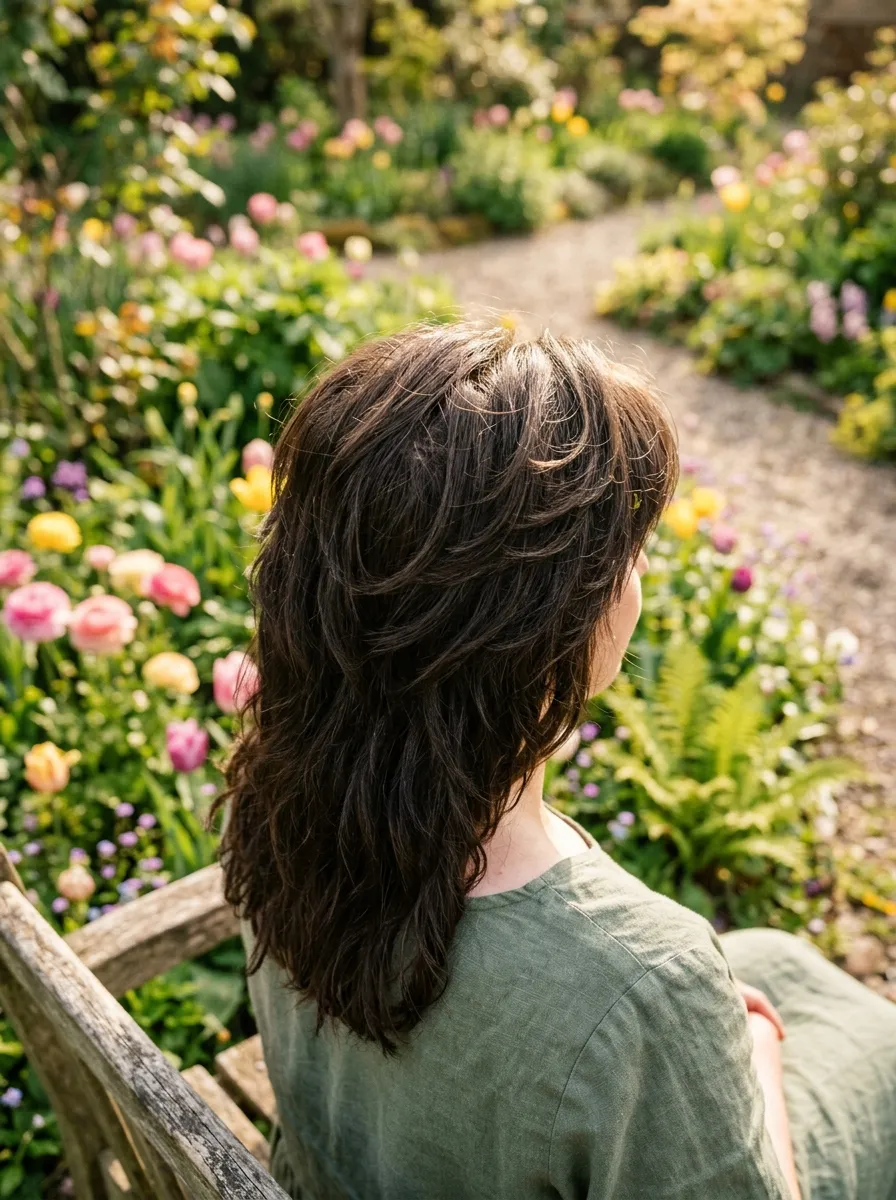
The crown layer cut focuses the layering specifically at the crown of the head. The top layers are shorter than the rest of the hair. This creates volume exactly where most people want it most: at the root and crown area.
It is not a dramatic cut. From a distance, it looks like regular hair. Up close or in motion, the crown layers create visible lift and dimension. It is a subtle technique with a big practical payoff.
This is particularly helpful for people with heavy, thick hair that sits flat at the crown despite having body lower down. The shorter crown layers allow the root to lift without being weighed down.
It also helps people with fine hair feel like they have more density at the top.
Request clearly: Tell your stylist you want internal crown layers only, with no change to the perimeter length. This targets the technique without altering the overall shape of your hair.
Styling is simple. Apply a volumizing mousse to the roots before blow-drying. Use a round brush at the crown section and lift as you dry. The layers create natural resistance that holds the volume in place.
This is an underrated, practical cut that works behind the scenes without demanding attention.
23. The Wispy Lob

The wispy lob closes this list on a soft, airy note. It is a collarbone-length cut with extremely fine, light ends. The tips of the hair are point-cut or razor-cut to be barely-there. When light hits them from behind, they almost glow.
This cut works best on fine to medium hair. Thick hair can achieve the wispy look but requires more thinning at the ends to get the effect right.
The wispy lob is effortless to style. The light ends air dry beautifully and do not need much product. A light serum applied before air drying keeps the ends smooth without weighing them down.
What makes it different from a regular lob: The ends. A regular lob has defined, cut ends. The wispy lob has ends that taper into almost nothing. It is a much softer finish that feels naturally grown rather than freshly cut.
This is a great option for spring and summer because the lighter ends keep the hair feeling airy and comfortable in warm weather.
Ask your stylist to point cut or razor-cut the ends only, starting from about three inches up from the tips. This is the specific technique that creates the wispy effect.
Trim every ten to twelve weeks. The wispy ends grow in beautifully.
Conclusion
Spring 2026 is full of haircut options that are wearable, exciting, and accessible at almost every budget. Whether you go short with a French crop, stay long with lived-in layers, or try something in between like the bixie or Italian bob, there is a cut here that fits your life. The best haircut is always the one you actually feel good wearing every day. Take these ideas to your next salon appointment, show your stylist a reference photo, and start the season with something that makes you feel like yourself, just a little more so. Small changes to your hair can shift your entire morning routine and your confidence with it. Pick one cut that speaks to you and go for it.
Leave a Reply