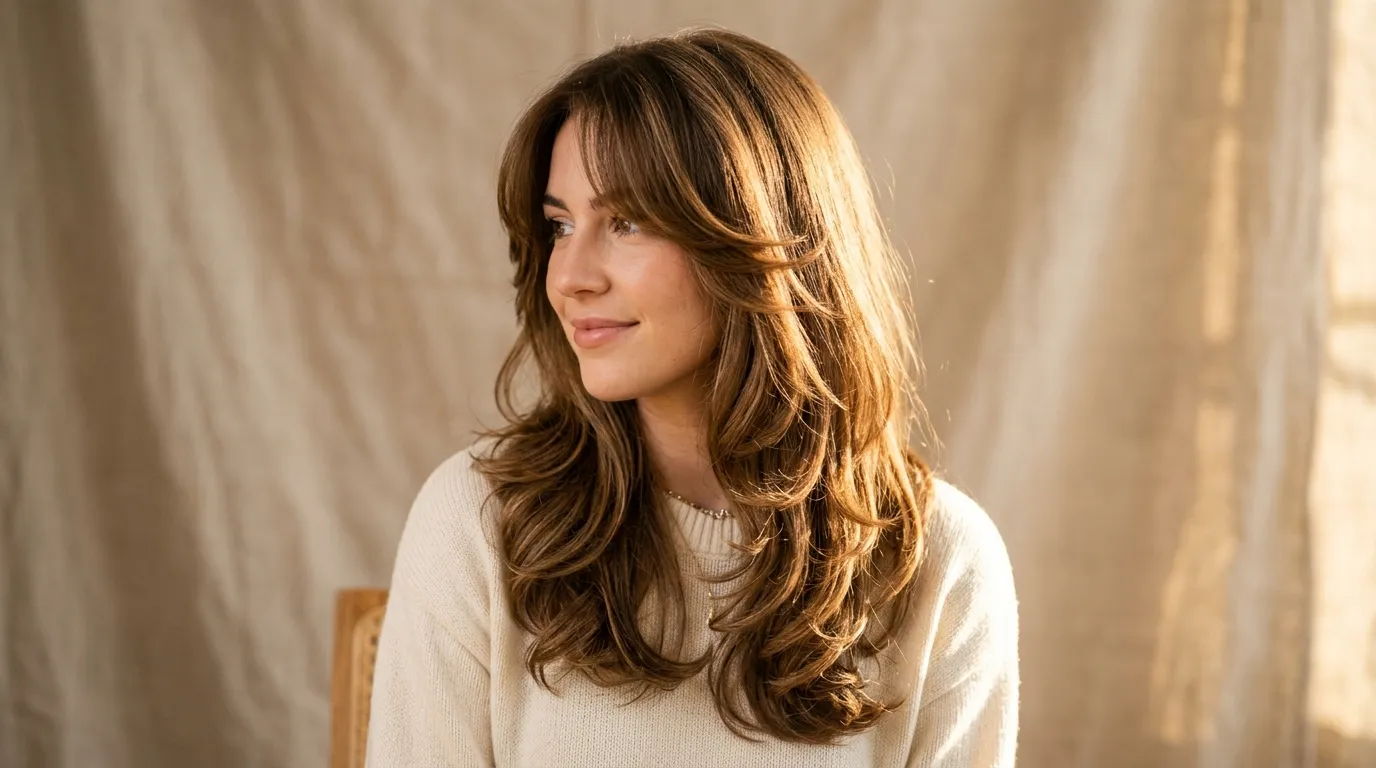
The butterfly cut has taken over salons and social feeds for one simple reason. It gives hair movement, shape, and body without heavy upkeep. Unlike a traditional layered cut, the butterfly cut opens up around the face and builds volume near the crown, so hair falls in soft, rounded pieces instead of one flat sheet. Whether your hair is fine, thick, curly, or straight, this cut adapts to almost any texture and length. It works for people who want low-maintenance styling and for those who love playing with waves, curls, or blowouts. In this list, you’ll find 30 butterfly cut ideas that show how this shape can be adjusted for face type, hair density, and personal style. Each idea comes with a simple, budget-friendly tip so you can talk to your stylist with confidence or try a small version at home. If you’re tired of your hair falling flat or you want a cut that photographs well from every angle, keep reading. If you’re also exploring Jellyfish Haircut Ideas, bold layered shapes, dramatic length contrasts, and creative face-framing sections offer a fashion-forward look that combines artistic structure with modern styling for a hairstyle that truly stands out.
1. Classic Butterfly Cut for Fine Hair
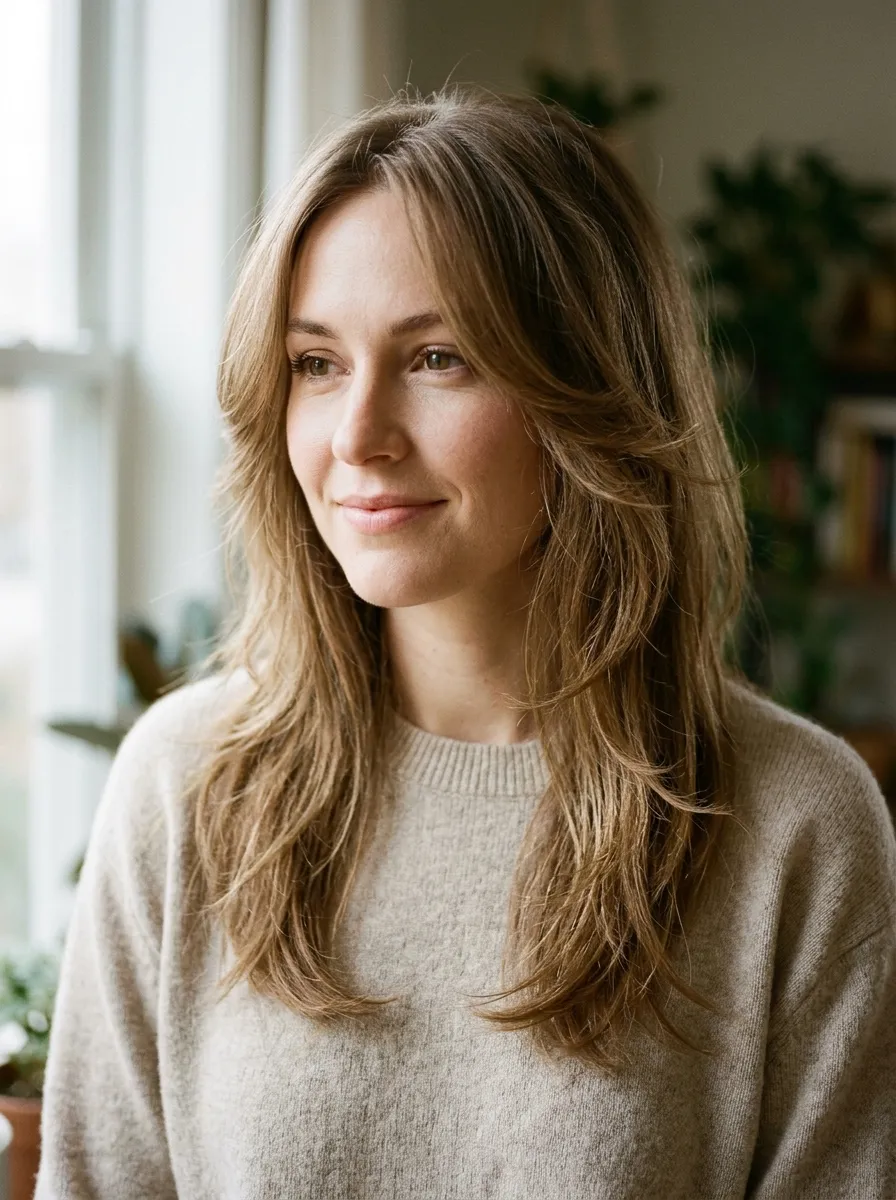
Fine hair often falls flat by midday. The classic butterfly cut fixes this by adding short layers near the crown. These layers lift the roots and create the look of thicker hair. The ends stay soft and rounded, not blunt or heavy. Ask your stylist to keep the layers short near the top and longer toward the bottom. This creates lift without cutting away too much length. At home, you can mimic the shape with a round brush and a blow dryer. Lift the roots as you dry, then curl the ends under slightly. A budget-friendly trick is to use a volumizing mousse instead of expensive styling products. Apply it to damp roots only, then dry as usual. If you color your hair, a few face framing highlights will make the layers stand out even more. This cut works well for shoulder length or longer hair. It also suits people who wash their hair every other day, since the layers hide slight oiliness better than a one length cut. Fine hair thrives with movement, and this version of the butterfly cut delivers exactly that without daily effort.
2. Layered Butterfly Cut with Curtain Bangs
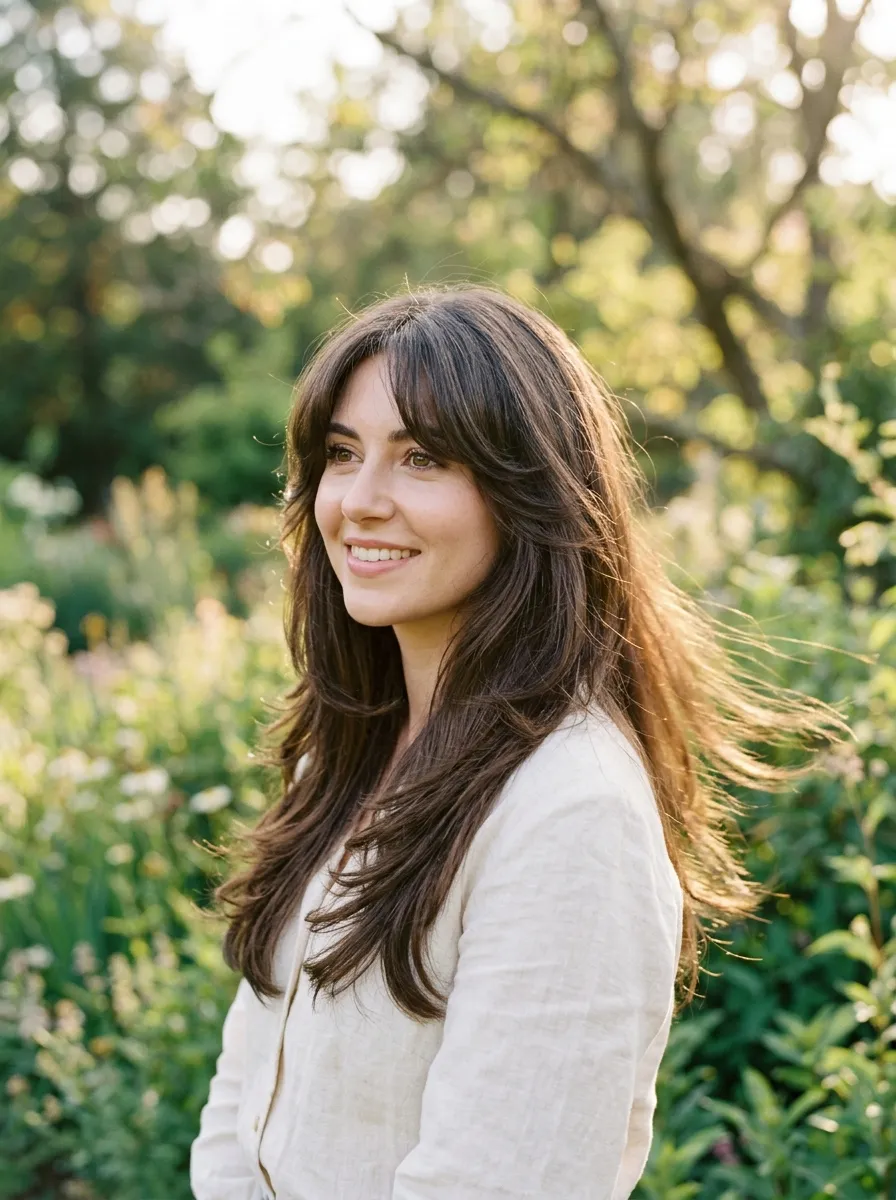
Curtain bangs and the butterfly cut were made for each other. Both styles focus on softening the face and adding movement around the front. When combined, they create a rounded frame that draws attention to the eyes and cheekbones. The bangs part naturally in the middle and blend into the longer layers on each side. This means less daily styling since the bangs are cut to fall into place. A simple way to try this at home is to grow out a few inches of hair near your part and layer it yourself with sharp shears, though a stylist visit is safer for a clean line. Budget tip: ask for curtain bangs during your regular haircut instead of booking a separate bang trim appointment. Most stylists will include it in the same service. This style suits round, oval, and heart shaped faces particularly well. It also works with straight or wavy hair types. If you want low effort mornings, a light texturizing spray on damp bangs before air drying keeps them looking soft without a blow dryer. This combination remains one of the most requested versions of the butterfly cut today.
3. Short Butterfly Cut for Bob Lovers
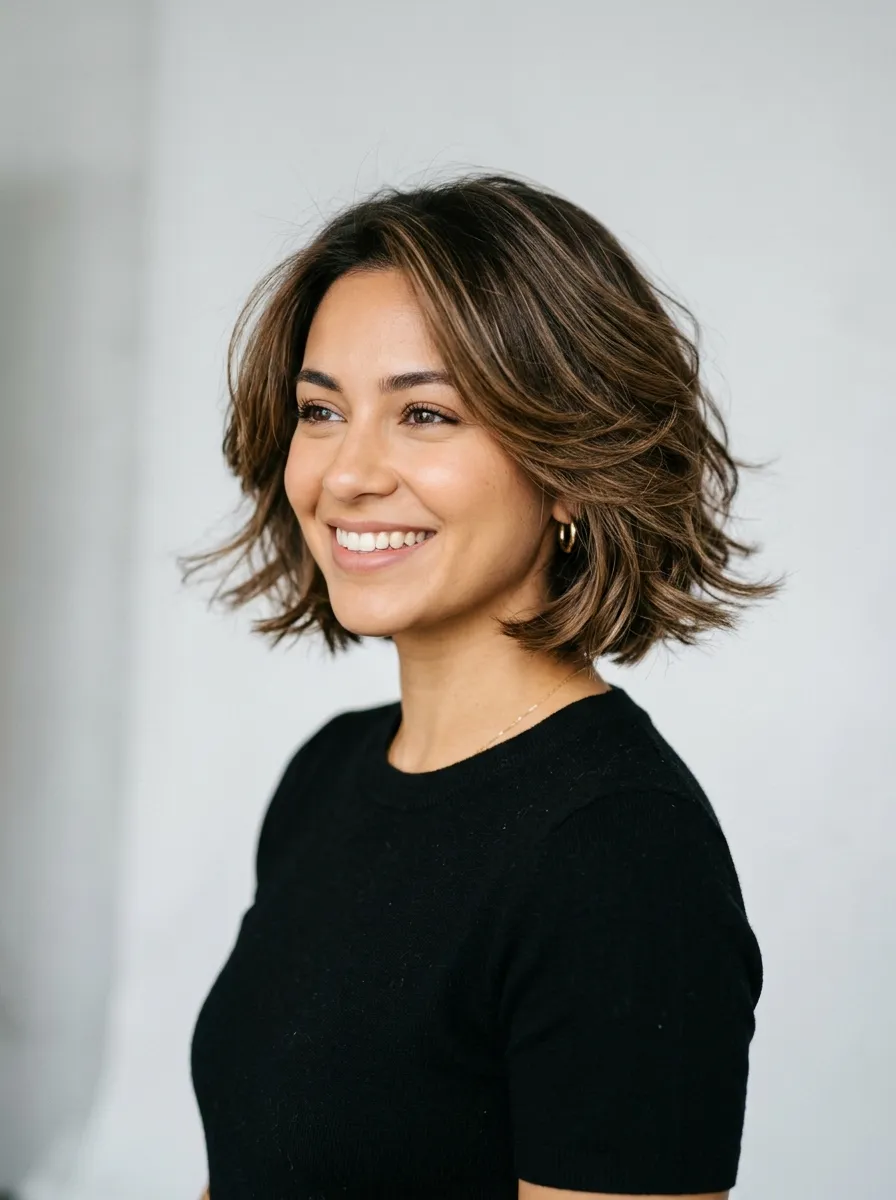
A short butterfly cut brings the same layered movement to bob length hair. Instead of one blunt line, the ends are cut in soft, rounded sections. This gives the bob a lighter, airier look. It works especially well for people who want short hair but still crave volume and texture. Ask your stylist to add layers starting at the cheekbone and blending down to the ends. This keeps the shape from looking chunky or uneven. A quick home styling trick is to flip the ends out slightly with a curling iron for extra bounce. Budget friendly tip: use a small barrel curling wand you already own instead of buying a new one for this style. Short butterfly cuts are easy to maintain since shorter layers grow out gracefully without losing shape. This length also suits thick hair types that tend to feel heavy in longer cuts. If you have cowlicks or naturally wavy hair, this cut works with your texture instead of fighting it. Many people choose this version when transitioning from long hair to a shorter length, since the layers soften the change and avoid a harsh, blunt reveal.
4. Long Butterfly Cut with Face Framing Layers

Long hair can sometimes feel like one heavy mass. The butterfly cut solves this by adding face framing layers that start near the chin and cascade down. These layers create separation and movement while keeping the overall length. This is a popular choice for people who want to keep their long hair but add personality to it. A simple home method is to section the front pieces and trim tiny amounts at a time if you’re comfortable doing so, though professional shaping gives the cleanest result. Budget tip: bring reference photos to your appointment so your stylist can match the exact layer placement you want, saving you from a return visit. This style flatters most face shapes since the layers can be adjusted around your unique features. It also pairs beautifully with balayage or subtle highlights, since the color catches the light differently on each layer. Straight hair benefits from the soft ends, while wavy hair gets extra texture. Many people call this the ultimate long hair upgrade because it delivers noticeable change without cutting away much length overall.
5. Butterfly Cut for Curly Hair
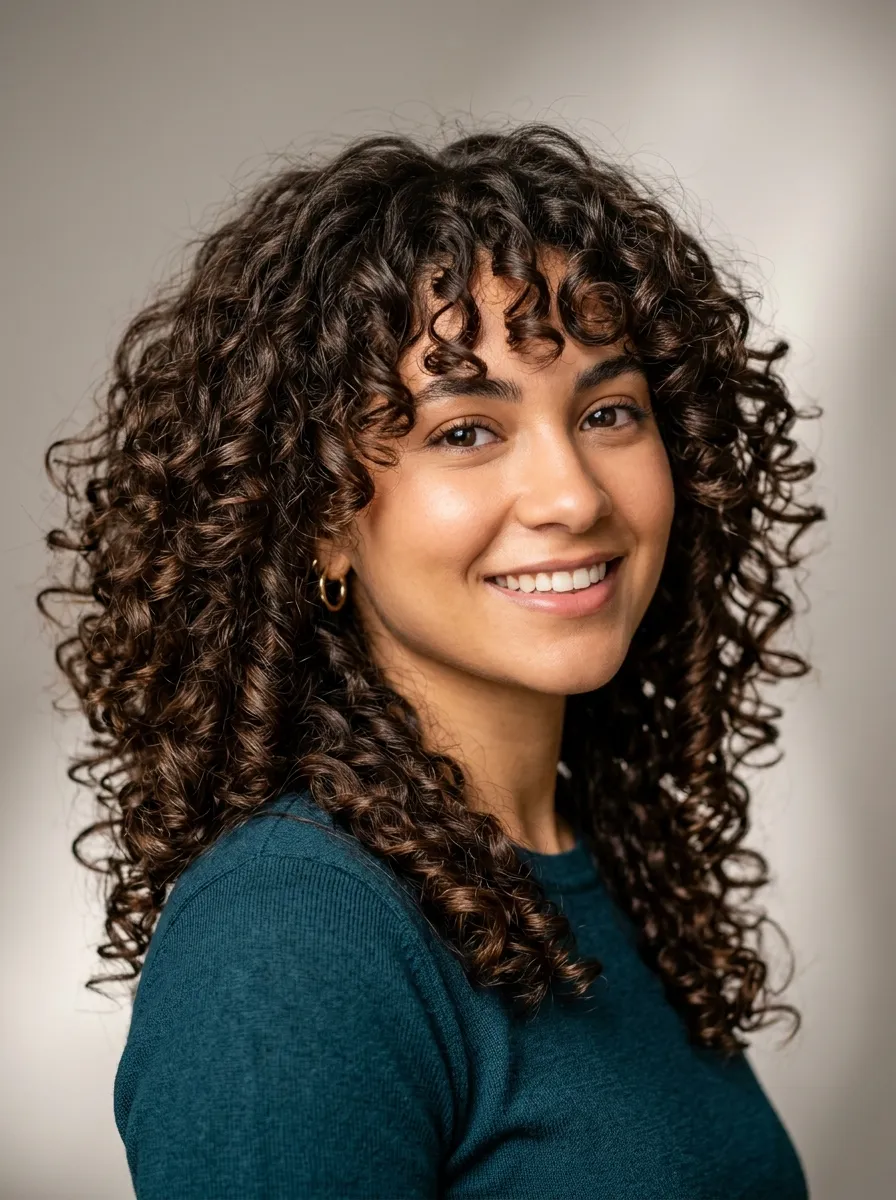
Curly hair naturally shrinks upward, so cutting layers requires extra care. A butterfly cut for curly hair focuses on cutting each curl at its natural resting length rather than pulling it straight. This prevents uneven layers once the curls spring back. Ask your stylist if they cut curly hair dry, since this method shows the true shape and bounce. A home tip is to twist small sections of curls and trim only the very tips if you want to maintain length between salon visits. Budget friendly option: use a diffuser attachment on your existing hair dryer instead of buying specialty curly hair tools. This cut adds shape without removing curl definition, and it helps reduce bulk in thick, curly hair. The layers also stop curls from forming one large triangle shape, which is a common complaint among curly haired people. Face framing pieces soften the front and highlight natural ringlets. This version of the butterfly cut works for loose waves, spiral curls, and tight coils alike, as long as the stylist adjusts the technique to match your specific curl pattern.
6. Wavy Butterfly Cut for Beach Vibes

If you love the relaxed look of beach waves, the wavy butterfly cut delivers that feel every day. The layers are cut to enhance natural texture rather than force a sleek shape. This means less time with hot tools and more time embracing your hair’s natural pattern. A simple styling trick is to apply a texturizing spray to damp hair and let it air dry, then scrunch gently for extra wave. Budget tip: make your own sea salt spray at home using water, sea salt, and a small amount of leave in conditioner in a spray bottle. This cut works especially well for medium to long hair and pairs nicely with subtle sun kissed highlights. The layers prevent waves from clumping into one shape and instead separate them into soft, distinct pieces. People with naturally straight hair can also use a wand to add temporary waves and still get the same layered effect. This style suits casual, everyday wear and looks just as good after a swim or a walk outside, making it a practical choice for warm climates or vacation season.
7. Butterfly Cut with Money Piece Highlights
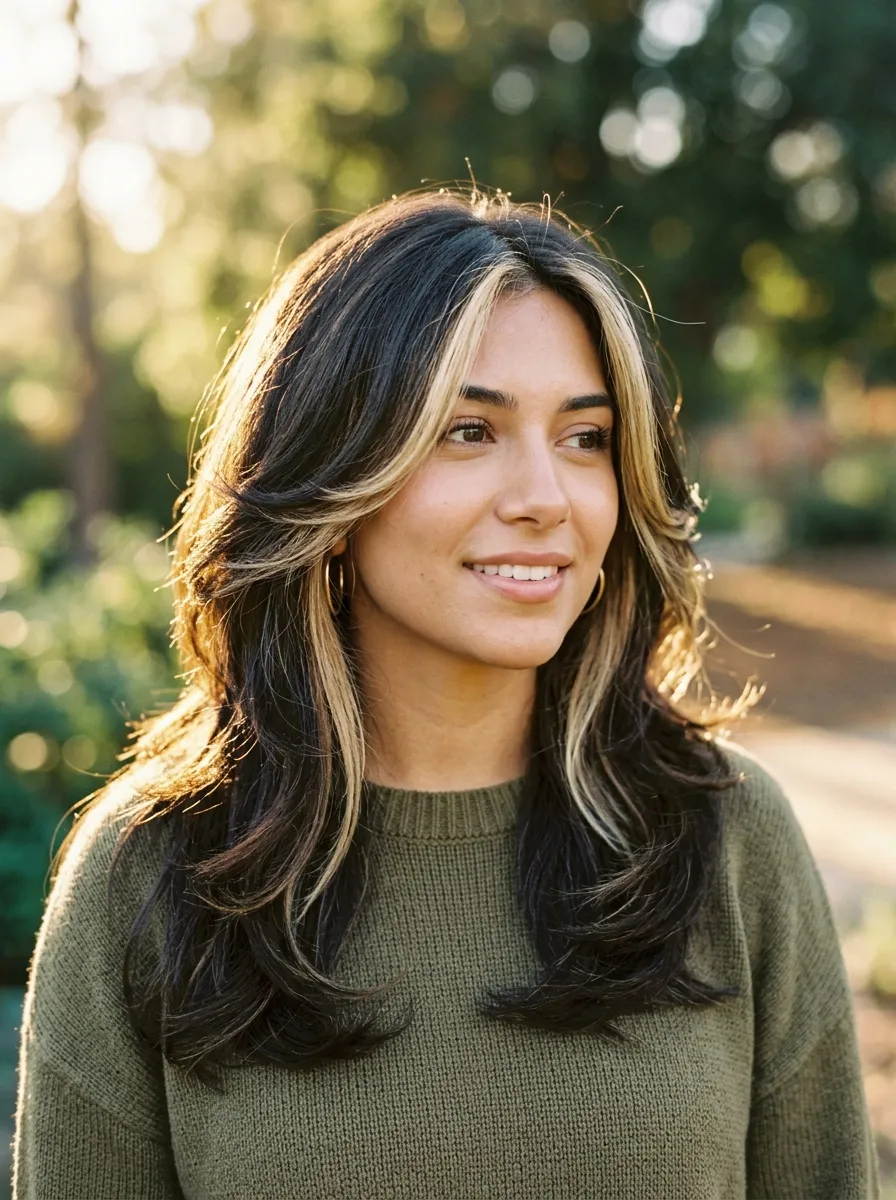
A money piece is a bold highlight placed right at the front of the hair, framing the face directly. Paired with a butterfly cut, it draws attention straight to the layers around your cheekbones. The contrast between the lighter piece and the rest of your natural color adds depth without a full head of highlights. This is a budget friendly coloring option since it only requires foils on a small section rather than the entire head. Ask your colorist to place the lightened pieces exactly where your face framing layers begin. At home, you can extend the life of this color with purple shampoo used once a week to prevent brassiness. This combination works on brunette, black, and dark blonde hair especially well, since the contrast shows clearly. It also photographs beautifully in natural light, which is why it has become popular online. If you’re not ready for permanent color, ask about temporary gloss options that wash out over several weeks. This lets you try the look before committing to a longer lasting version.
8. Butterfly Cut for Thick Hair
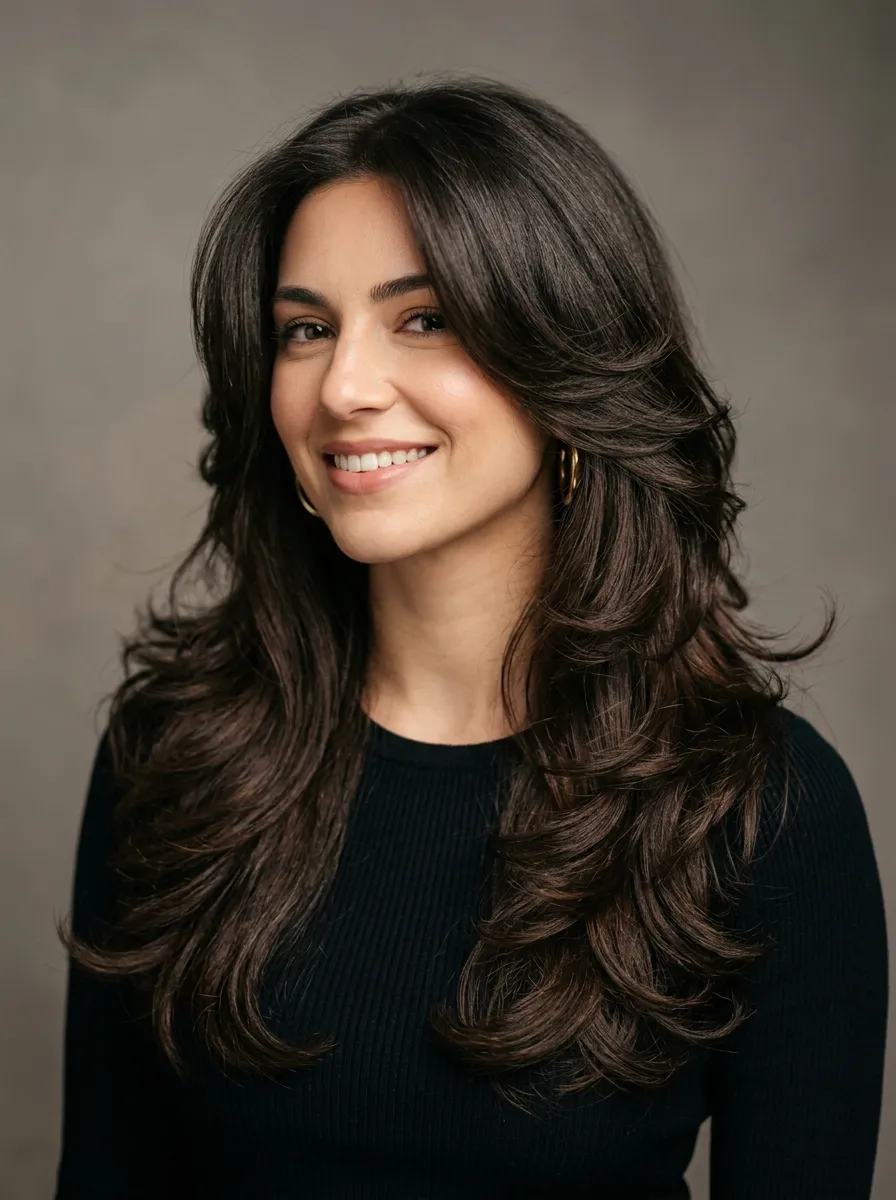
Thick hair often feels heavy and hard to manage. The butterfly cut removes bulk by layering strategically through the mid lengths and ends. This reduces weight while keeping the overall length intact. Ask your stylist to point cut or slide cut the ends instead of using a blunt line, since this technique removes bulk without thinning the hair unevenly. A home tip is to use a wide tooth comb after washing to prevent breakage from brushing thick, wet hair too aggressively. Budget friendly styling option: a basic round brush and hair dryer combo can create the same soft bend at the ends that expensive flat irons promise. This cut helps thick hair dry faster since there is less density in each section. It also reduces the tangled feeling that often comes with one length thick hair. The layers add shape around the face, which can soften strong features and balance out fullness through the back and sides. People with thick, coarse hair often find this cut makes daily brushing and styling noticeably easier and faster.
9. Medium Length Butterfly Cut
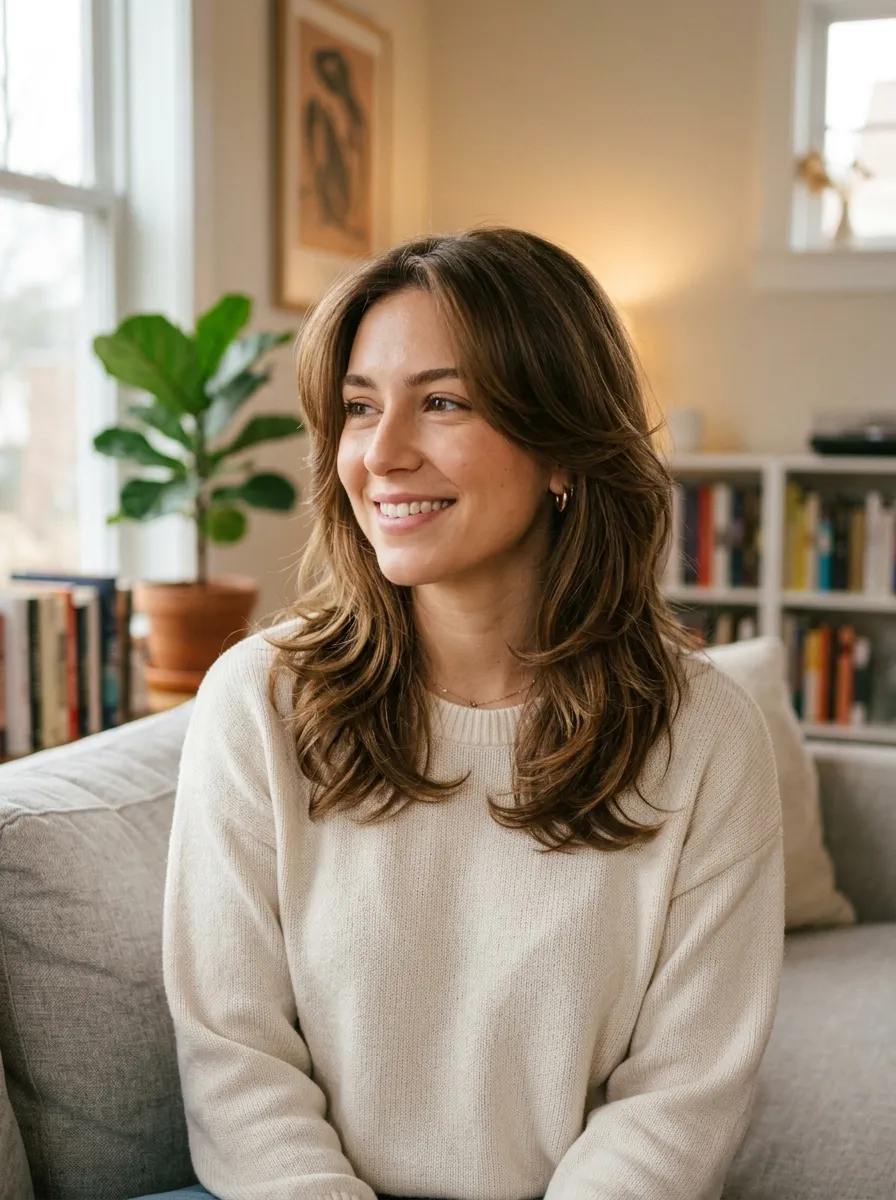
Medium length hair is one of the easiest canvases for a butterfly cut. It’s long enough to show clear layers but short enough to stay low maintenance. The layers typically start around the chin and blend down to the collarbone or slightly past it. This length works for almost every hair type, from straight to curly. A simple home styling method is to use a flat iron to bend the ends inward slightly, creating a soft, rounded shape. Budget tip: this length often costs less to maintain since fewer inches need trimming every few months compared to longer hair. This cut suits busy schedules well since it air dries into a decent shape on its own. It also works for people transitioning between long and short hair who aren’t ready to commit to a bob. The face framing layers highlight the jawline and cheekbones without overwhelming the face. Many stylists recommend this length for first time butterfly cut clients since it offers a noticeable change without a drastic commitment.
10. Butterfly Cut with Wispy Bangs

Wispy bangs add a delicate touch to the butterfly cut. Unlike full, blunt bangs, wispy bangs are thin, feathered, and easy to grow out. They blend naturally into the face framing layers below them. This combination softens the forehead and adds a youthful touch to the overall style. A simple home trick is to point cut the ends of your bangs yourself using small, sharp scissors held vertically, which creates a soft, feathered edge instead of a straight line. Budget friendly tip: ask your stylist to include a light bang trim during regular haircut visits instead of scheduling extra appointments. Wispy bangs work on most face shapes since they are light enough to move and reveal the forehead partially. They also require less daily styling than full bangs, since a light comb through or finger styling is often enough. This version of the butterfly cut suits people who want a bang without full commitment. Straight, wavy, and curly hair types can all wear wispy bangs with a few small adjustments in cutting technique.
11. Butterfly Cut for Round Faces
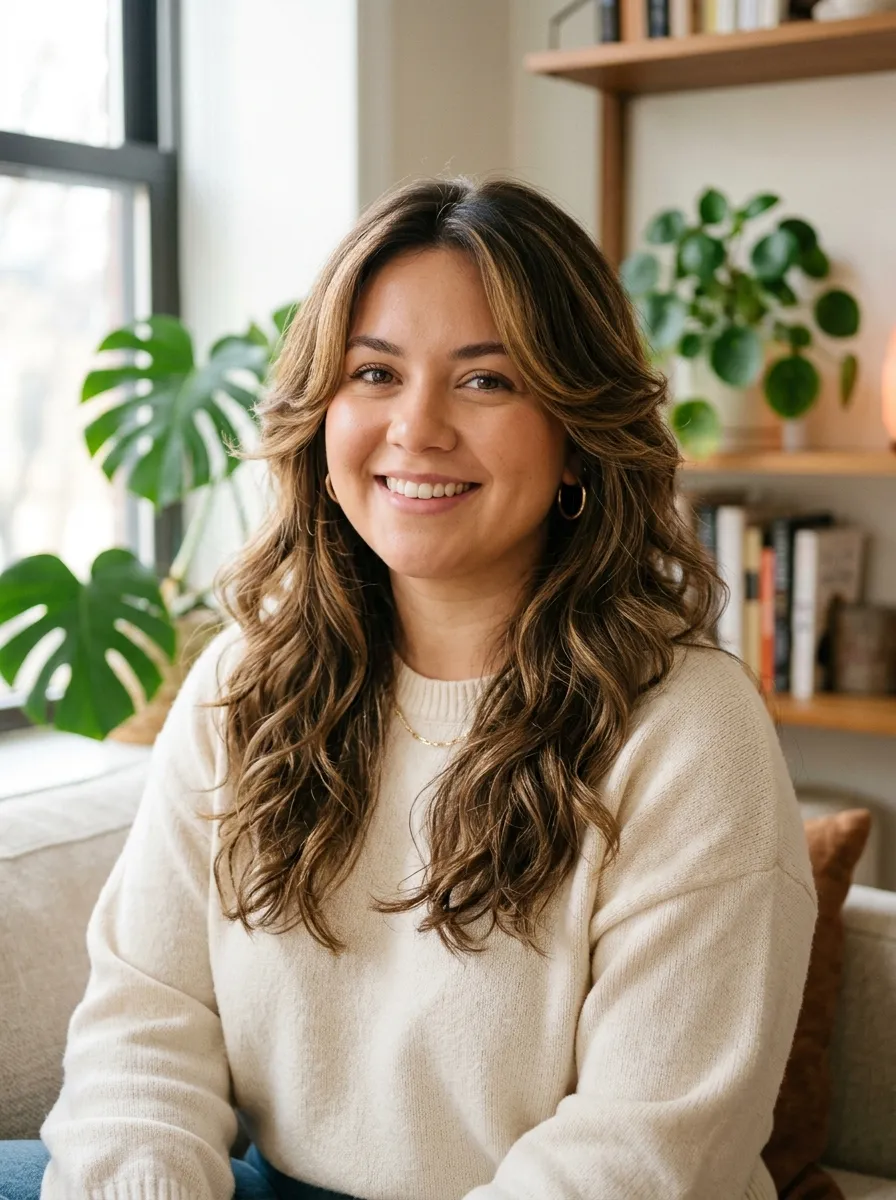
Round faces benefit from layers that add length and angles rather than width. A butterfly cut for round faces focuses on longer face framing pieces that start below the chin. This draws the eye downward and creates a more elongated appearance. Avoid layers that stop right at the cheekbone, since this can widen the look of a round face. A simple tip is to ask for layers that begin at or below the jawline instead of higher up. Budget friendly styling trick: parting your hair slightly off center rather than in the middle can also help slim a round face without any cutting involved. This cut works well with long or medium length hair and pairs nicely with subtle waves, which add texture without added width. Straight styling can sometimes emphasize roundness, so a slight bend at the ends is often more flattering. This version of the butterfly cut gives round faced people a way to enjoy the trend while still balancing their natural face shape in a flattering, easy to manage way.
12. Butterfly Cut for Square Faces
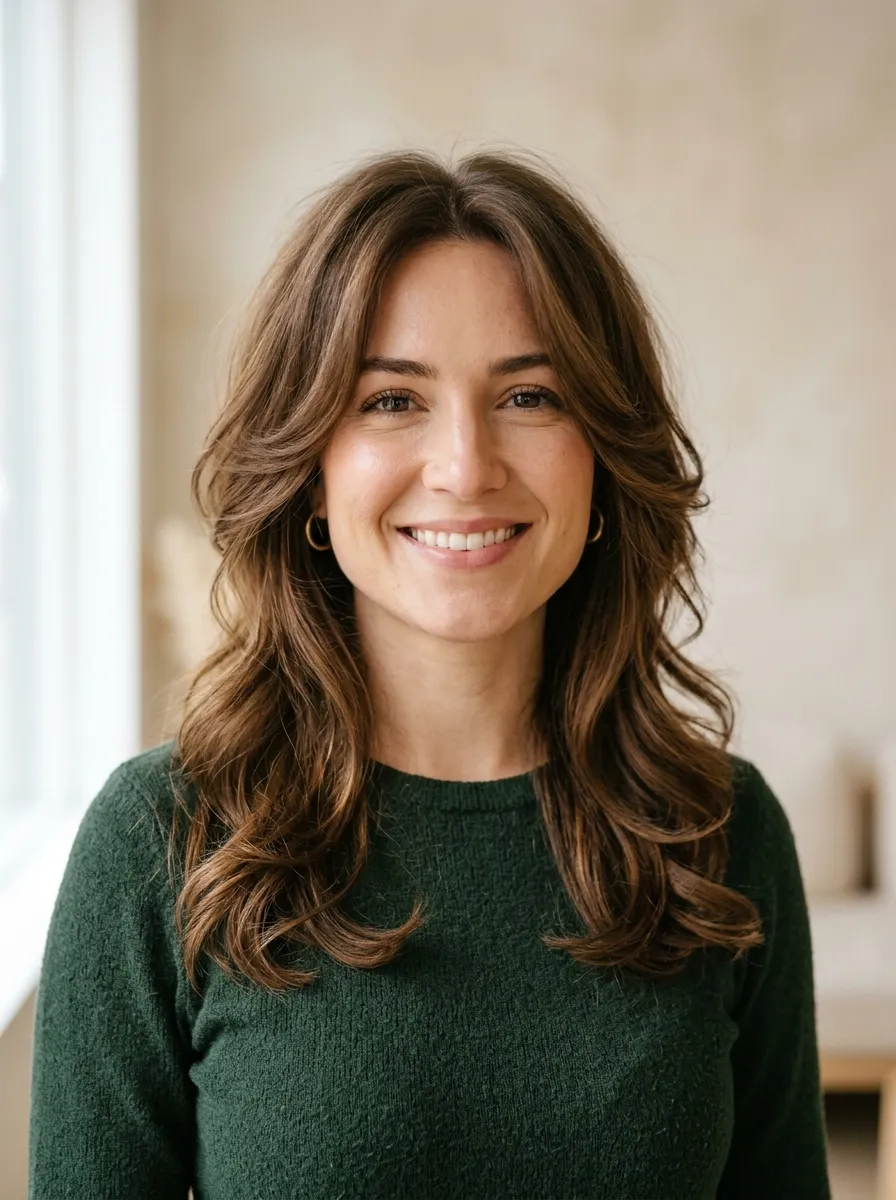
Square faces have strong, angular jawlines that can be softened with the right layering. A butterfly cut for square faces uses rounded, soft layers around the jaw and chin to break up sharp angles. The goal is movement, not more structure. Ask your stylist to avoid blunt lines near the jaw and instead request soft, feathered ends. A home styling tip is to curl the ends away from the face slightly, which adds a rounded shape near the jawline. Budget friendly option: a basic curling iron used only on the bottom few inches of hair can achieve this effect without a full head curl. This cut works well with side swept bangs, which soften the forehead and balance the strong jaw below. Medium to long hair lengths give the most flexibility for this face shape. Wavy or curly textures naturally support the softening effect this cut is designed for. Square faced individuals often find that this version of the butterfly cut brings a nice contrast between their defined features and softer, flowing hair.
13. Butterfly Cut with Balayage
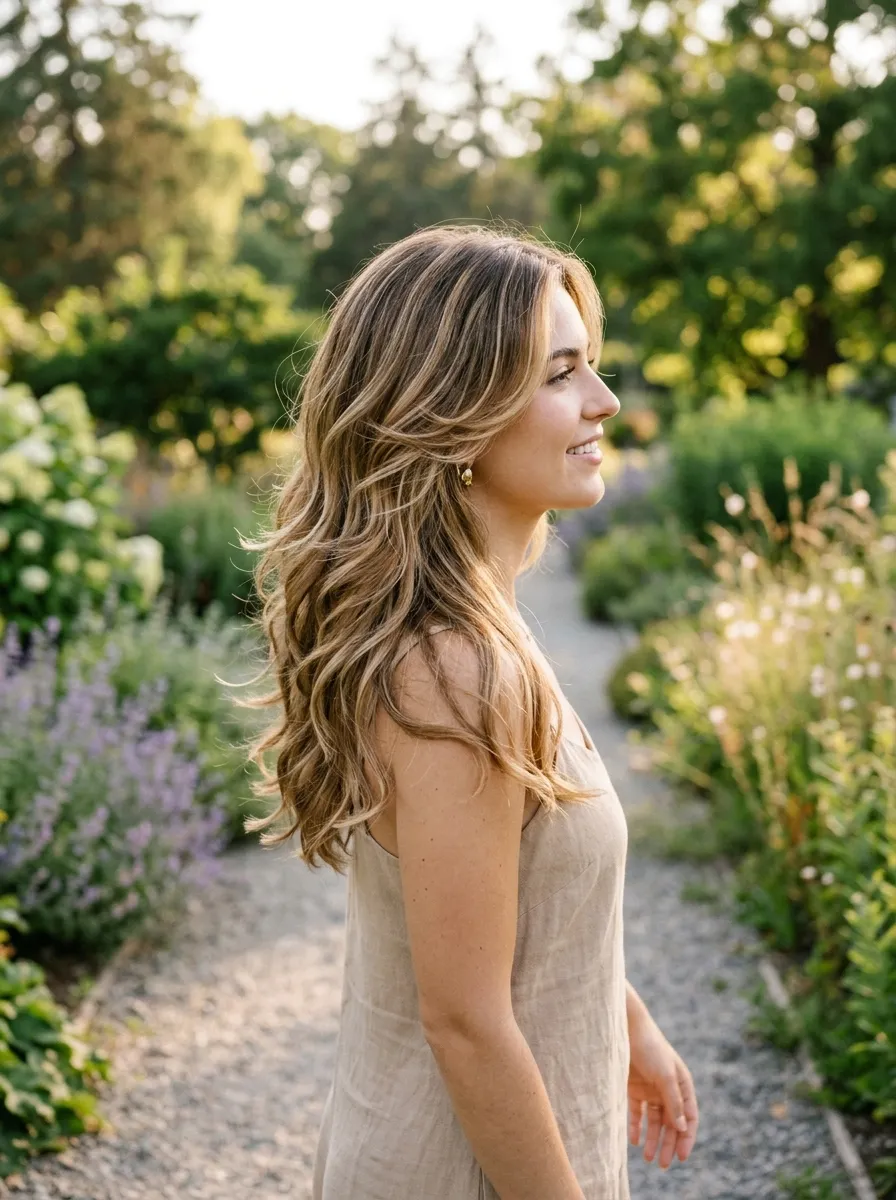
Balayage and the butterfly cut complement each other since both rely on natural movement and dimension. The hand painted highlights of balayage catch the light differently on each layer, making the cut look even more textured. Ask your colorist to focus lighter pieces on the top layers of hair, where the butterfly cut naturally lifts and separates. A budget friendly approach is to request a partial balayage instead of a full head application, which costs less and still creates noticeable dimension. At home, use a color safe shampoo to extend the life of your balayage between salon visits. This combination works on brunette, blonde, and red hair bases. It also grows out more gracefully than traditional foil highlights since there is no harsh regrowth line. The soft blend of color mirrors the soft blend of the layers, creating a cohesive, natural look. Many people choose this pairing because it requires less frequent touch ups, saving both time and money over the course of a year while still delivering a noticeably dimensional finish.
14. Butterfly Cut for Straight Hair
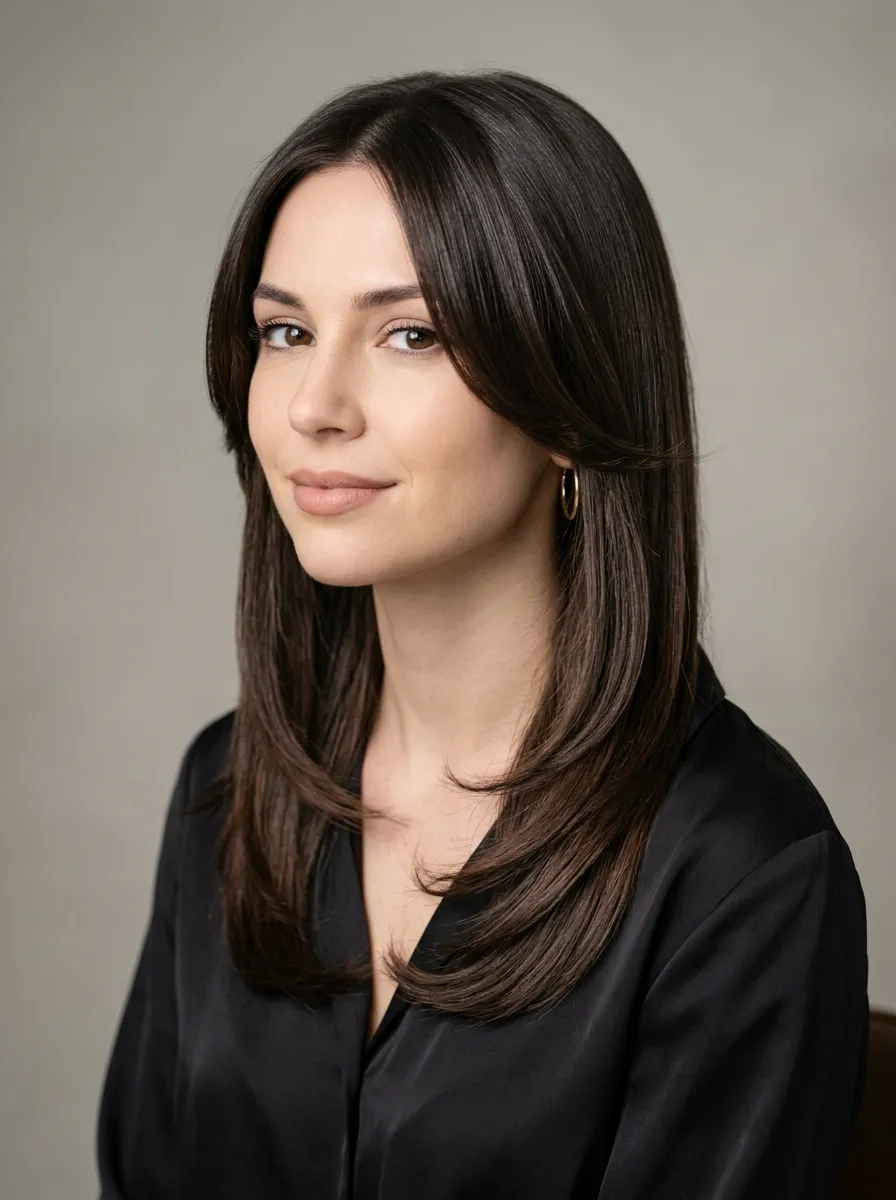
Straight hair shows every line of a haircut clearly, which means precision matters here. A butterfly cut for straight hair uses subtle layers that bend slightly at the ends rather than sitting completely flat. This prevents the classic triangle shape that can happen when layers are cut incorrectly on straight strands. Ask your stylist to point cut the ends for a softer finish instead of a blunt cut. A simple home styling trick is to use a round brush while blow drying to curve the ends inward or outward slightly. Budget friendly tip: a flat iron with a curling function can replace the need for both a straightener and a curling iron in your routine. This cut adds movement to straight hair without requiring daily heat styling, since the layers themselves create shape. It works on both fine and thick straight hair, though the layering technique may vary slightly between the two. Face framing pieces help break up the straight line effect near the face, adding softness that straight, one length hair often lacks.
15. Butterfly Cut with Side Part
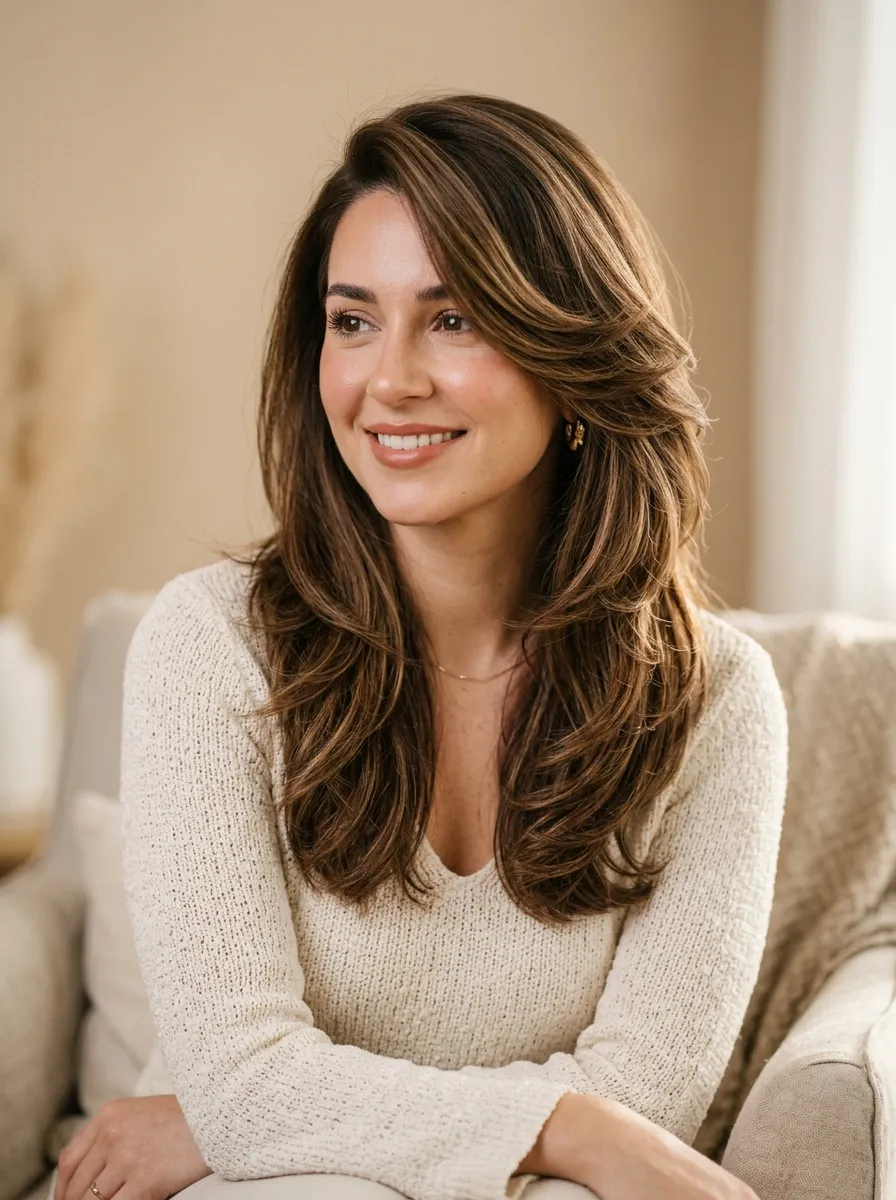
A side part changes how the butterfly cut’s layers fall across the face. Instead of an even split on both sides, one side carries more volume and length while the other stays close to the head. This creates an asymmetrical, flattering frame. Ask your stylist to cut your layers with your natural part in mind, since this determines exactly where the face framing pieces will land. A home tip is to blow dry your part in the direction you want it to fall, using a small round brush to guide the shape. Budget friendly styling trick: a texturizing spray applied directly to the roots along your part adds lift without expensive volumizing products. This version of the butterfly cut suits people with a natural cowlick near their hairline, since working with the part instead of against it reduces daily styling time. It also flatters most face shapes by creating subtle asymmetry. Long and medium length hair both work well with a side part butterfly cut, and it pairs nicely with soft waves for extra texture.
16. Butterfly Cut with Middle Part

A middle part gives the butterfly cut a symmetrical, balanced look. Both sides of the face receive even layers, which creates a mirrored frame around the features. This part works especially well for oval and heart shaped faces. Ask your stylist to cut the front layers evenly on both sides if you plan to wear a middle part regularly, since uneven layering can look off center with this parting style. A simple home tip is to use a fine tooth comb to create a precise, straight part before styling. Budget friendly option: this part requires no special tools, just a comb and your fingers to adjust the shape as needed throughout the day. This version of the butterfly cut suits straight and wavy hair particularly well, since the part stays in place more easily than with curly textures. It also pairs nicely with curtain bangs, since both styles share the same centered, symmetrical approach. Many people choose a middle part butterfly cut for a clean, polished look that still carries plenty of movement and softness.
17. Butterfly Cut for Fine to Medium Hair
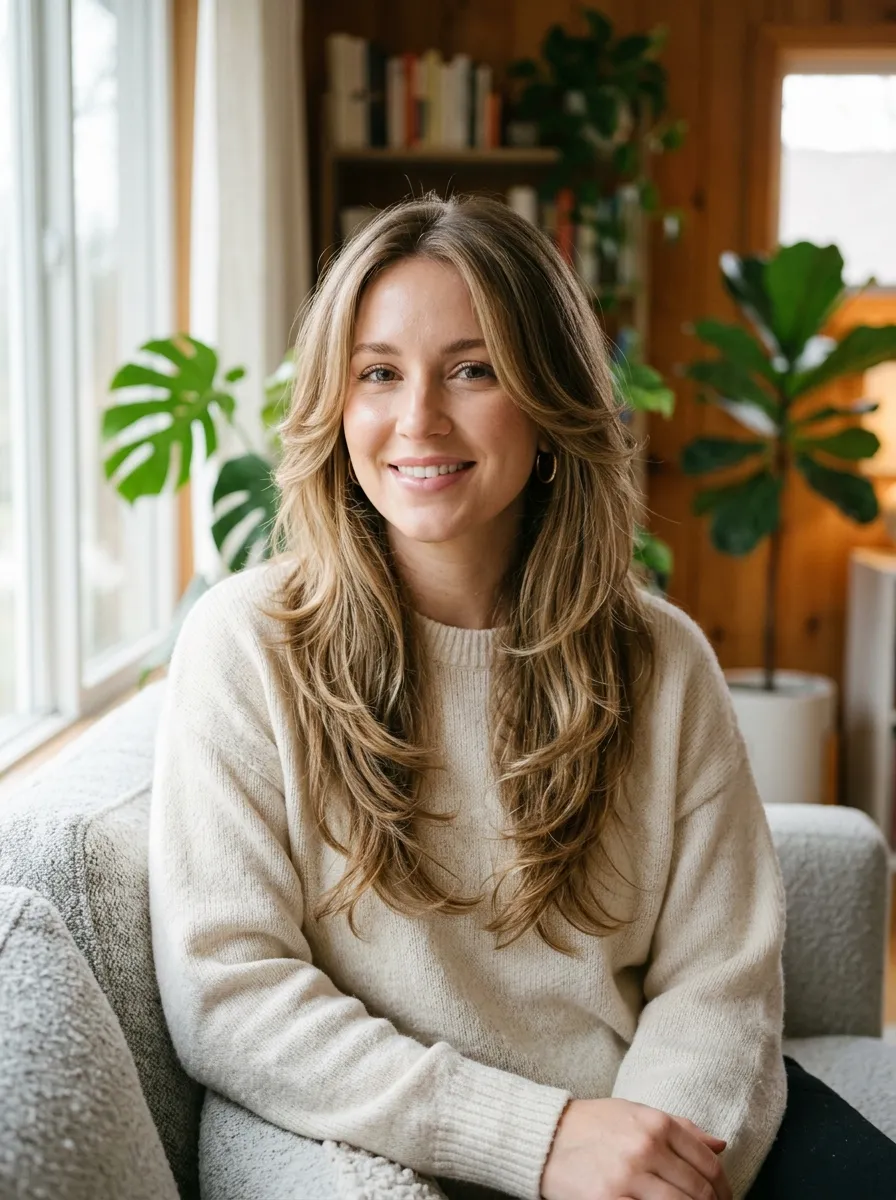
Fine to medium hair sits between two common hair types, which means it needs a balanced approach to layering. Too many layers can make it look thin, while too few can leave it flat. A butterfly cut for this hair type uses moderate layering, concentrated mostly around the face and crown. Ask your stylist to keep the layers longer through the back to preserve density and shorter near the front for movement. A home styling tip is to apply a lightweight mousse to damp roots, then blow dry upside down for extra lift. Budget friendly tip: a single multipurpose styling product, like a light hold mousse, can replace several separate products in your routine. This cut works well for shoulder length to mid back length hair. It also holds curls and waves nicely without falling flat by the end of the day. Fine to medium hair types often find this version of the butterfly cut gives the appearance of thicker, fuller hair without needing extensions or heavy styling products every morning.
18. Butterfly Cut with Blunt Ends

Not every butterfly cut needs feathered, wispy ends. A version with blunt ends keeps the bottom line clean and thick while still layering the top and face framing sections. This creates a nice contrast between soft movement near the face and a strong, defined shape at the bottom. Ask your stylist to focus layering only on the top two thirds of your hair, leaving the ends blunt for density. A simple home tip is to trim your own ends every few weeks with sharp fabric shears if you’re confident, though a stylist visit keeps the line the cleanest. Budget friendly option: fewer full haircuts are needed with this version since blunt ends grow out evenly without visible splitting. This cut suits thick, healthy hair especially well, since the blunt ends showcase shine and strength. It also works for people who want the softness of a butterfly cut without losing the appearance of length and thickness at the bottom. Straight hair types benefit most from this contrast between soft top layers and a strong end line.
19. Butterfly Cut for Textured Hair
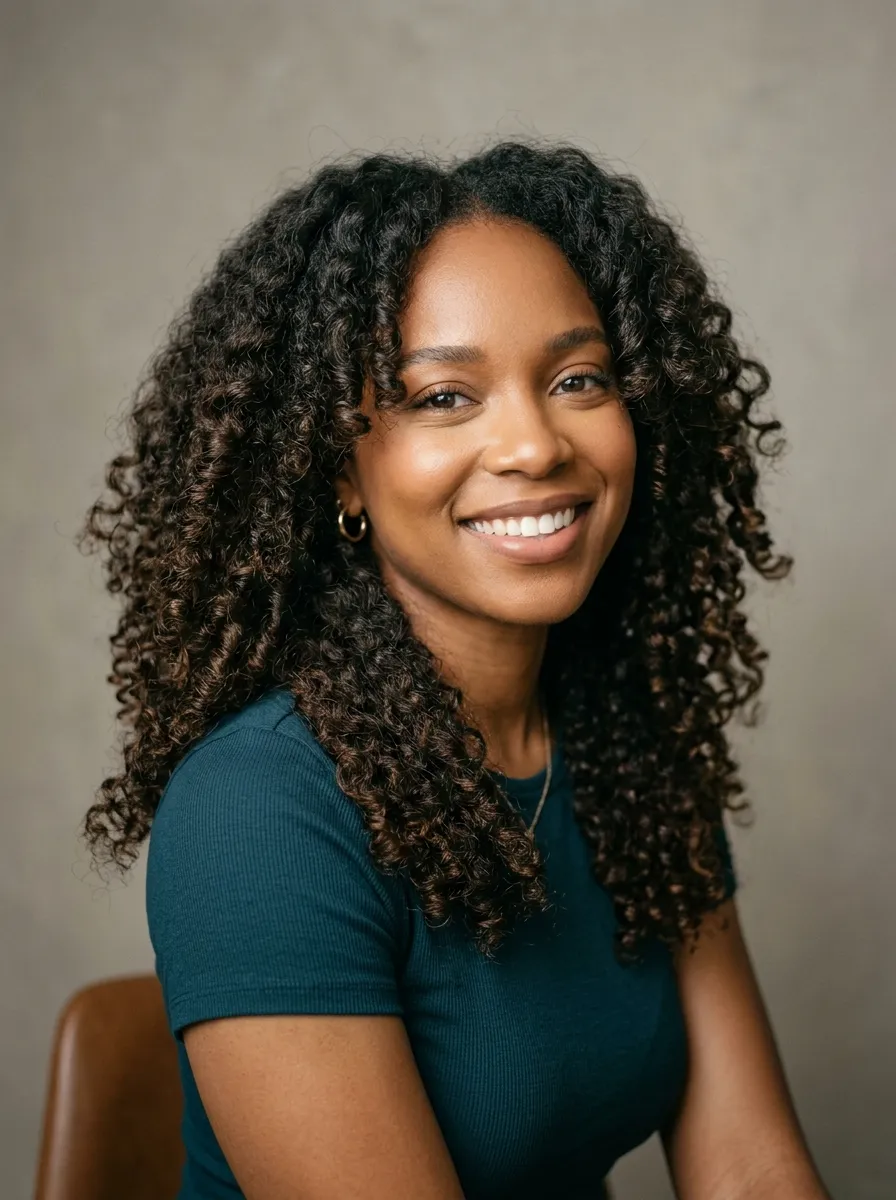
Textured hair, whether wavy, coily, or coarse, works beautifully with a butterfly cut when the layers are cut to match its natural pattern. Instead of forcing a smooth, sleek shape, this version leans into the hair’s natural texture. Ask your stylist to cut your hair dry or with minimal stretching so they can see exactly how each section falls naturally. A home tip is to apply a leave in conditioner to damp hair before air drying, which helps define texture without frizz. Budget friendly option: a basic leave in conditioner often works as well as pricier styling creams for defining natural texture. This cut removes bulk from thick, textured hair while keeping the shape full and lively. It also reduces the pyramid effect that can happen when textured hair isn’t layered correctly. Face framing pieces highlight natural curl or wave patterns instead of hiding them. People with textured hair often find that this version of the butterfly cut requires less daily manipulation, since the cut works with their hair instead of against it.
20. Butterfly Cut with Subtle Layers
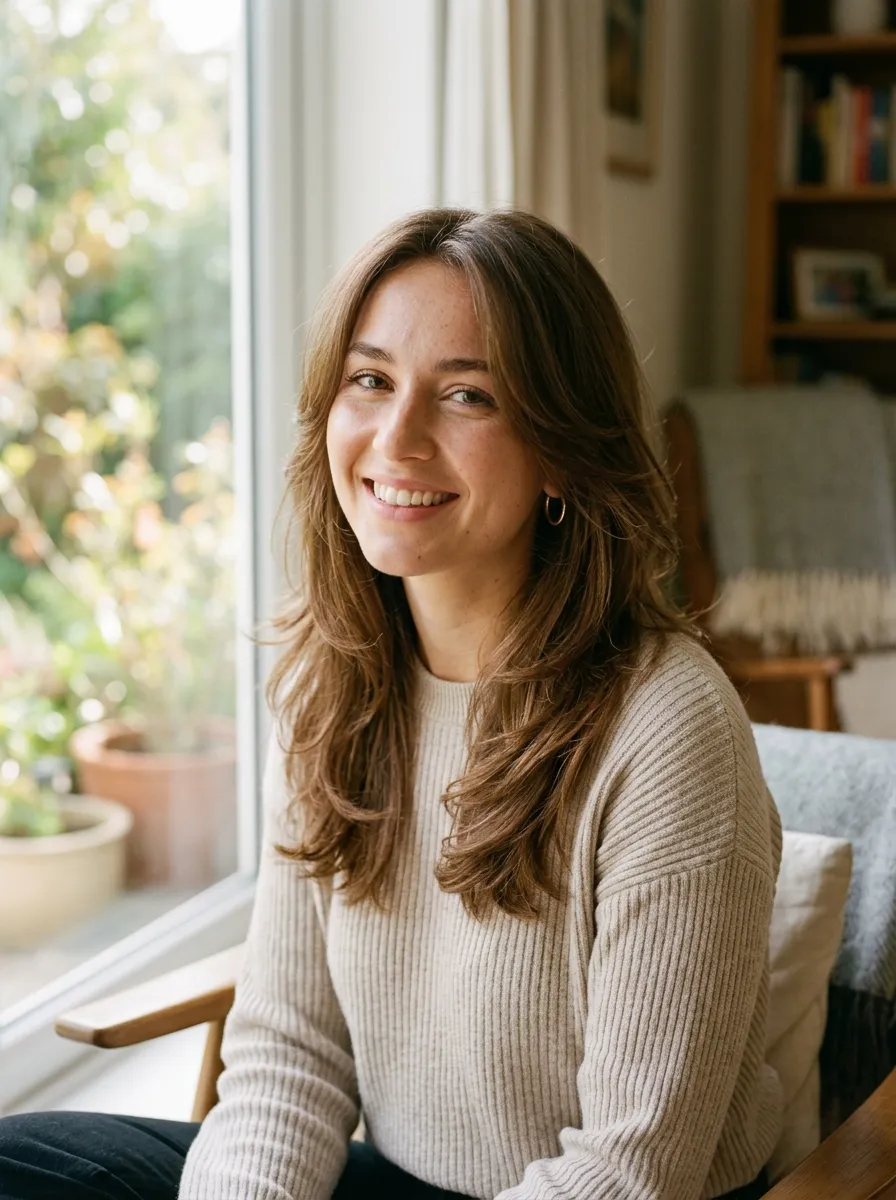
Not everyone wants a dramatic change. A butterfly cut with subtle layers gives just enough movement to add life to the hair without a big transformation. The layers are cut close together and blended carefully so the shape looks soft rather than choppy. Ask your stylist to keep the layering minimal, focusing mainly on the face framing pieces rather than layering the whole head. A simple home tip is to use a small amount of hair oil on the ends to enhance shine and movement without adding heavy layers. Budget friendly option: this subtle version often takes less time in the salon chair, which can lower the overall cost of the service. This cut suits people who are new to layered cuts and want to test the style before committing to something bolder. It works well on all hair lengths and textures since the changes are minor and easy to blend with existing hair. Many first time butterfly cut clients start here before requesting more dramatic layering during a follow up visit.
21. Butterfly Cut for Long Faces
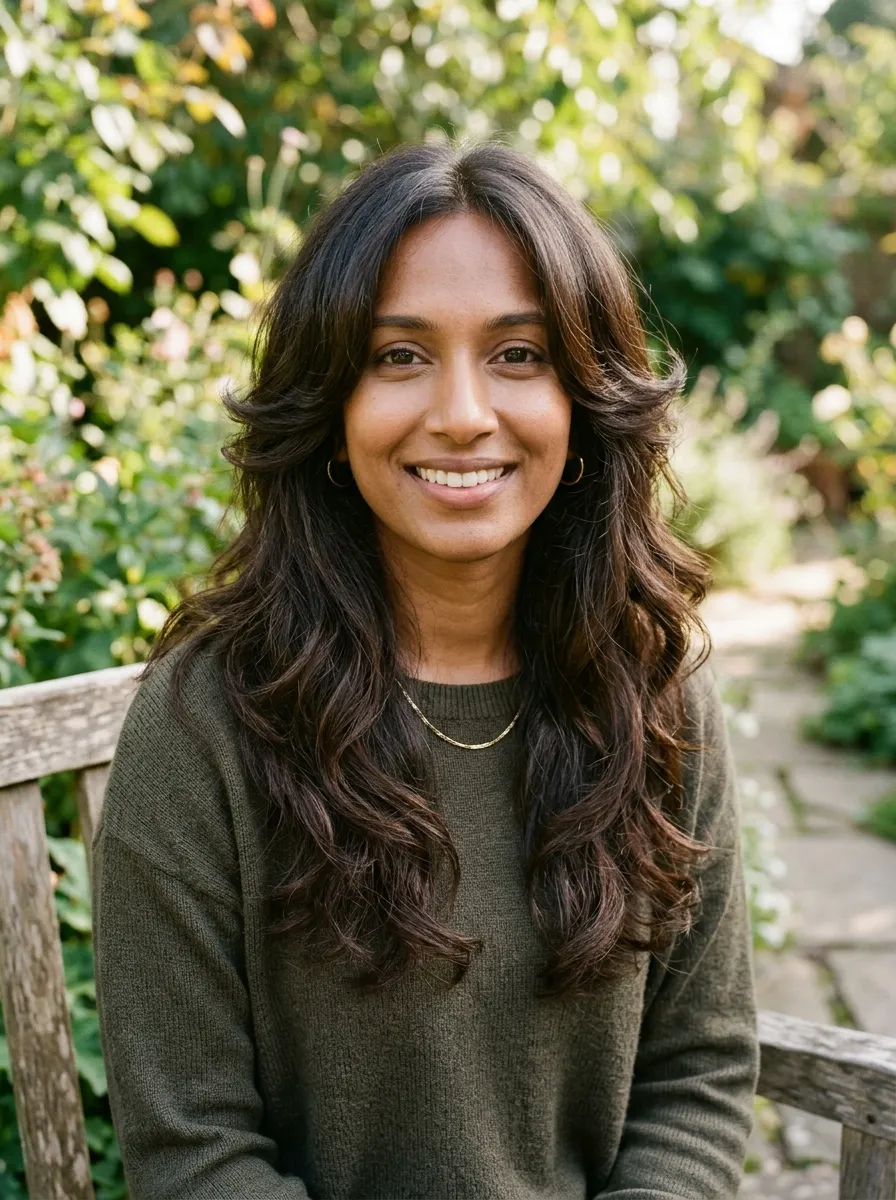
Long faces benefit from layers that add width rather than length. A butterfly cut for this face shape focuses on volume around the cheeks and sides rather than pulling everything downward. Ask your stylist to add layers that start around the cheekbone and flare out slightly, creating fullness at the widest point of the face. A home styling tip is to curl the mid section of your hair outward, away from the face, to add horizontal volume. Budget friendly trick: a texturizing spray applied to the mid lengths can create the appearance of fullness without a curling iron. This cut also pairs nicely with side swept bangs, which shorten the visual length of the forehead. Medium length hair tends to work best for long faces, since very long hair can pull the eye downward again. Wavy styling adds extra width and softness. This version of the butterfly cut helps balance long facial proportions while still giving the soft, layered movement the style is known for.
22. Butterfly Cut with Face Framing Pieces

Face framing pieces are the heart of any butterfly cut. These are the shorter layers that fall around the cheekbones and jawline, drawing attention to the face itself. Ask your stylist to customize the length of these pieces based on your specific features, since even a small adjustment can change the entire effect. A home styling tip is to curl just these two pieces with a small curling wand for a quick, polished look without styling your entire head. Budget friendly option: focusing heat styling only on these smaller sections saves time and reduces overall heat damage compared to styling all of your hair daily. These pieces work on every hair length, from short bobs to long hair past the waist. They also highlight cheekbones, soften jawlines, and draw the eye toward the eyes and lips. Many people request this detail specifically, even if they don’t want a full butterfly cut, since it adds a noticeable, flattering change with minimal cutting involved overall.
23. Butterfly Cut for Second Day Hair

One of the best parts of a butterfly cut is how well it holds up on second day hair. The layers add natural texture that looks intentional even without a fresh wash. Ask your stylist about a slightly longer layering pattern, since this tends to hold shape better between washes compared to very short, choppy layers. A simple home tip is to sleep with your hair in a loose braid to preserve waves and reduce frizz overnight. Budget friendly option: dry shampoo applied at the roots the night before can extend the life of your style without an extra wash the next morning. This cut works especially well for people who wash their hair only two or three times a week, since the layers naturally disguise slight oiliness better than one length styles. It also holds curls and waves longer than a blunt cut would. Many people who struggle with second day hair looking limp find that this version of the butterfly cut solves that problem by adding built in texture that lasts.
24. Butterfly Cut with Root Volume
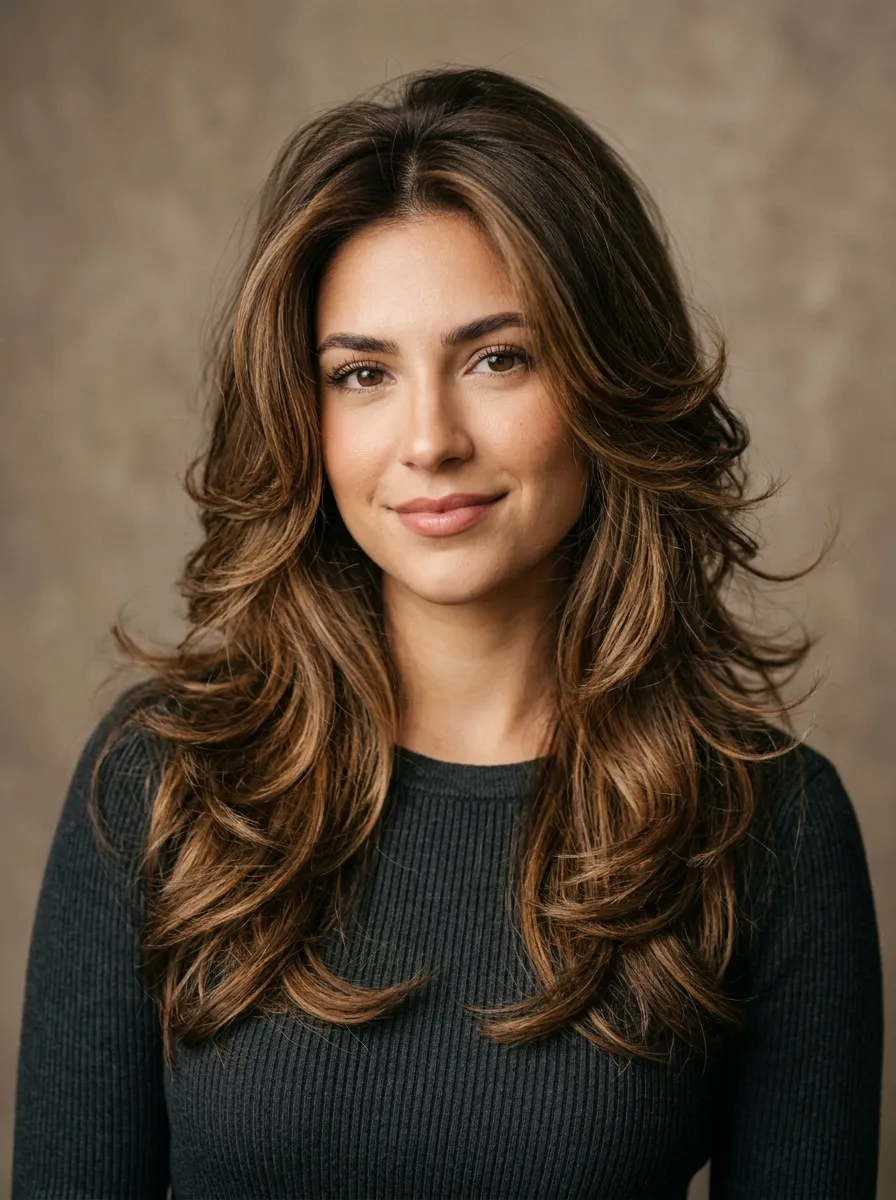
Root volume is a common request alongside the butterfly cut, especially for people with fine or flat hair. The shorter layers near the crown are cut specifically to stand up slightly, creating natural lift at the roots. Ask your stylist to layer this section a bit shorter than the rest if volume is your main goal. A home styling tip is to dry your roots upside down for the first few minutes of blow drying, then flip your hair back over to finish. Budget friendly option: a root clip used while your hair dries can hold volume in place without any product at all. This technique pairs well with a light dusting of dry shampoo at the roots, which adds texture and grip for extra lift. This cut works on all hair lengths but shows the most dramatic results on medium to long hair, where flatness at the roots is often most noticeable. People with naturally fine or thin hair often see this as one of the most useful versions of the butterfly cut available.
25. Butterfly Cut for Low Maintenance Styling

For people who want a great looking cut without daily effort, a low maintenance butterfly cut focuses on layers that fall naturally into place. The layering is cut with air drying in mind, meaning it looks finished even without a blow dryer or curling iron. Ask your stylist which layer placement works best for letting your hair dry naturally, since this varies depending on your texture. A home tip is to apply a lightweight curl cream or texturizing spray right after washing, then let your hair air dry without touching it too much. Budget friendly option: this cut often reduces the need for daily heat styling tools, which can save money on both product and energy costs over time. This version works especially well for wavy and curly hair types, since their natural pattern does most of the styling work. It also suits busy schedules, travel, and humid climates where styling tools aren’t always convenient. Many people choose this version of the butterfly cut specifically because it looks good on wash day and every day in between.
Conclusion
The butterfly cut offers something for nearly every hair type, face shape, and lifestyle. From subtle layers for first timers to bold, textured versions for curly and wavy hair, this cut proves that soft movement and effortless volume don’t require constant upkeep. Bring a few of these ideas to your next salon visit, or try the simple home styling tips in between appointments. Small adjustments, like a side part, a money piece highlight, or a bit of root volume, can completely change how the cut works for you. Whatever version you choose, the butterfly cut rewards you with hair that feels lighter, looks fuller, and moves naturally through your day.
Leave a Reply