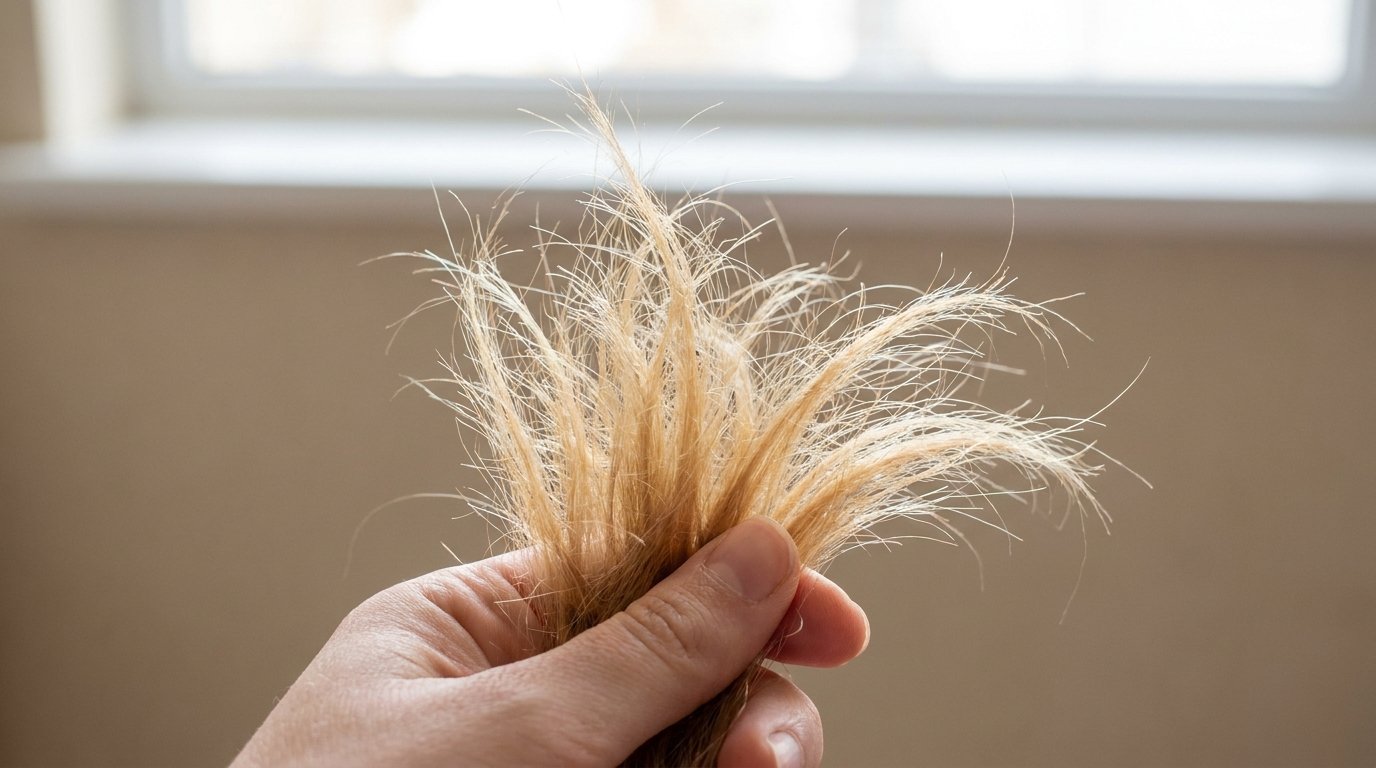
Years of flat irons, curling wands, and blow dryers can leave hair feeling brittle, looking dull, and snapping way more than it used to. If your hair has seen better days from constant heat styling, you are not out of options. With a natural, consistent routine, you can bring back softness, shine, and strength without giving up styling completely. Also read: How to Fix Damaged Hair.
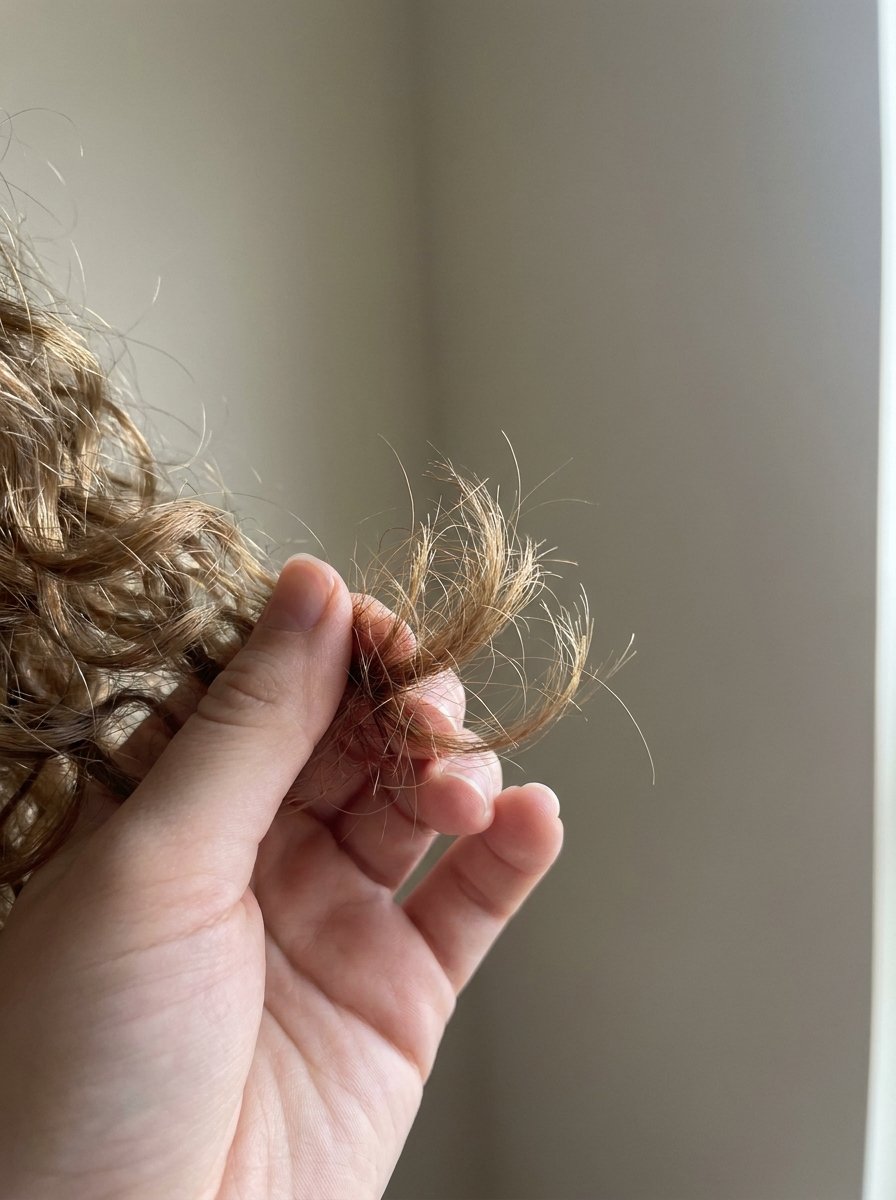
Recognize the Signs of Heat Damage
Before treating it, it helps to know exactly what heat damage looks like so you can track your progress as your hair heals.
- Hair feels rough, straw like, or tangles easily
- Ends look frayed, thin, or see through in bright light
- Hair loses its natural bounce and feels stretchy when wet
- Color looks faded or brassy even without chemical treatments
Give Your Hair a Real Heat Break
The single most important step is simply reducing how often you use hot tools. Natural remedies can only do so much if the damage keeps happening daily.
- Aim to air dry at least a few days a week
- Save heat styling for special occasions rather than daily routines
- Try heatless styles like braids or twists overnight for natural waves
Deep Condition with Natural Oils
Oils help restore some of the moisture and flexibility that heat strips away, making hair feel softer and less prone to breaking.
- Coconut oil works well for most hair types and penetrates the strand
- Argan oil is lightweight and great for frizz and shine
- Castor oil is thicker and good for very dry, damaged ends

Apply your chosen oil from mid length to ends, leave on for at least thirty minutes, and wash out thoroughly.
Try a Weekly Honey and Yogurt Mask
Honey is naturally hydrating and yogurt adds protein and shine, making this simple combination especially helpful for heat damaged strands.
- Mix two tablespoons of honey with three tablespoons of plain yogurt
- Apply from roots to ends on clean, damp hair
- Leave on for twenty to thirty minutes, then rinse thoroughly
Rinse with Cool Water to Seal the Cuticle
Hot water feels nice but keeps the hair cuticle open, letting moisture escape more easily. Finishing your shower with a cool rinse helps seal it back down.
- Switch to cool water for the last thirty seconds of your rinse
- Focus the cool rinse on the lengths and ends specifically
- This simple habit adds noticeable shine over time
Use a Silk Pillowcase and Gentle Styling
Reducing friction while you sleep and style protects hair that is already fragile from heat damage.
- Swap cotton pillowcases for silk or satin
- Detangle gently with a wide tooth comb, starting from the ends
- Avoid tight hairstyles that pull on already weakened strands

Always Use a Heat Protectant When You Do Style
On days you cannot skip heat entirely, a heat protectant spray creates a barrier that reduces how much damage occurs with each use.
- Apply evenly to damp hair before blow drying or styling
- Reapply if doing multiple passes with a hot tool
- Choose one with added oils or silicones for extra slip and shine
Trim Away What Cannot Be Repaired
Severely heat damaged ends will not fully bounce back no matter how many treatments you try. A small trim removes the weakest parts so the rest of your hair can grow in stronger.
- Trim a small amount every six to eight weeks
- Focus only on the most damaged sections rather than cutting length overall
Final Thoughts
Heat damaged hair can absolutely recover with consistent natural care, cooler washing habits, and a genuine break from daily hot tools. Give your routine a few weeks before expecting dramatic results, since real repair takes time. Save this guide for later so you always have a natural recovery plan ready when heat damage starts showing.
Leave a Reply