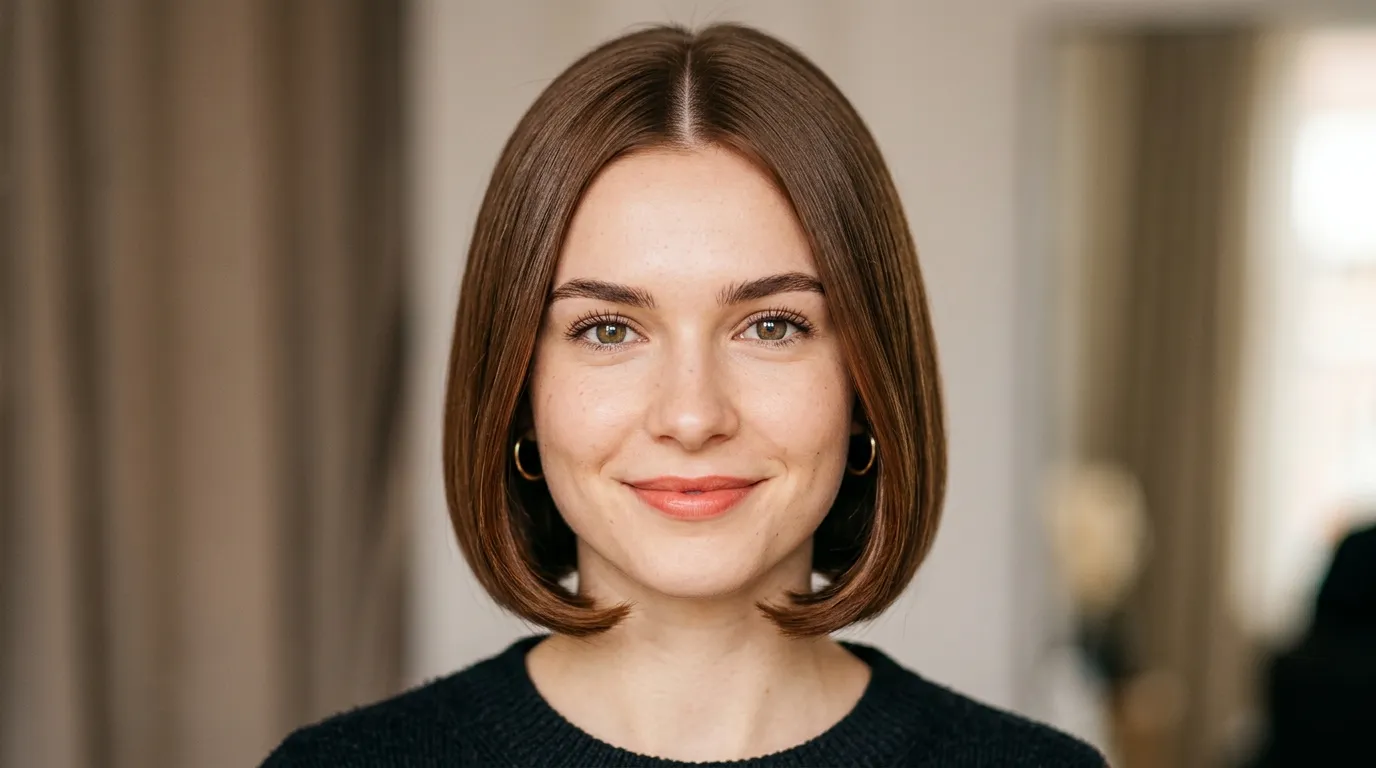
The 90s bob haircut ideas are one of those rare hairstyles that never actually went away. It just kept reinventing itself. From the sleek, center-parted bobs of early 90s pop culture to the chunky highlighted versions of the late decade, the 90s bob covers a wide range of shapes, textures, and personalities. Right now, 90s hair aesthetics are experiencing a genuine revival, and the bob is at the center of it. People are rediscovering how flattering, low-maintenance, and genuinely stylish the 90s bob can be in a contemporary context. Whether you want to recreate the exact look from your favorite decade or bring a 90s-inspired cut into your current style, this list covers 23 distinct versions of the 90s bob, each with practical advice on how to achieve it, style it, and maintain it on any budget. If you’re also exploring Updos for Long Hair Ideas, long hair offers endless possibilities for elegant buns, braided styles, twisted updos, and romantic pinned looks that work beautifully for both everyday wear and special occasions.
1. The Classic Sleek Chin-Length 90s Bob haircut ideas
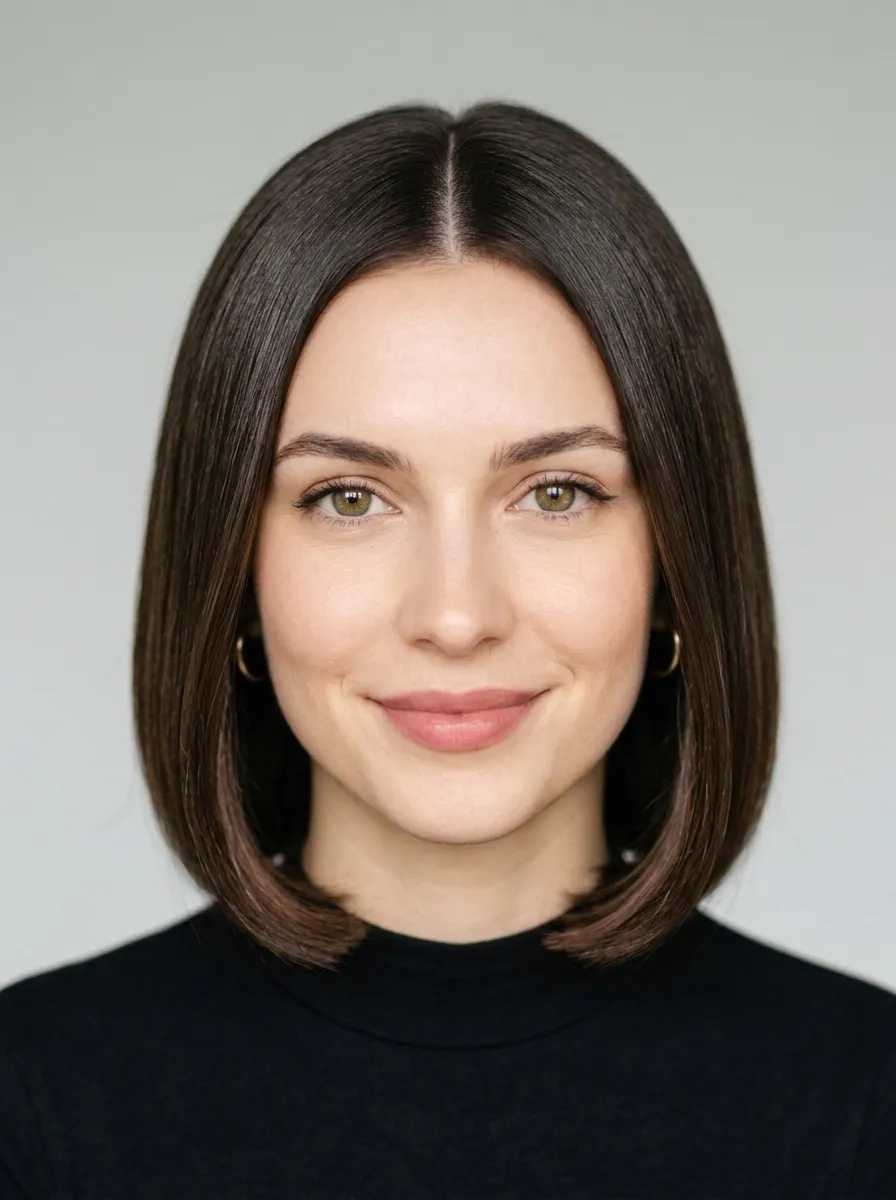
The classic sleek chin-length bob is the most recognizable 90s bob variation. It sits precisely at the jawline with a clean, even perimeter and is styled completely straight and smooth. The center part places it firmly in 90s territory.
This cut looks best when it is genuinely sleek. Any frizz or texture disrupts the clean, graphic quality that defines the style.
Ask your stylist for a one-length bob at the chin with a slight bevel at the ends to give the perimeter a barely-there inward curl. This prevents the ends from flipping outward and keeps the style looking polished.
Style with a flat iron on medium heat, working from roots to ends in thin sections. Apply a heat protectant spray before starting to protect the ends.
Finish with a light shine serum smoothed over the palms and pressed gently down the surface. This eliminates any remaining frizz and gives the high-gloss finish that the 90s sleek bob is known for.
Budget tip: A basic flat iron from a drugstore or discount store works perfectly for this style. Combine it with a $5 heat protectant spray and a $6 shine serum for a complete at-home styling kit under $30.
Trim every five to six weeks to keep the perimeter precise.
2. The Side-Parted Bob with Inward Curl

The side-parted bob with an inward curl at the ends is one of the most flattering 90s bob variations. The deep side part creates an asymmetric frame while the inward-curled ends give the bob a polished, rounded shape that suits every face shape.
This style requires a blow-dryer and a round brush. The inward curl is created during the blow-dry rather than with a curling iron.
Blow-dry each section by rolling the round brush under the hair at the ends and holding for several seconds before releasing. This trains the ends to curve inward. Work from the back sections to the front.
The side part can be as dramatic or subtle as you prefer. A very deep side part creates a more dramatic 90s effect. A slight side part is more modern and wearable.
Finish with a light-hold hairspray to keep the inward curve in place throughout the day.
This style works on straight and slightly wavy hair. Very wavy or curly hair may require additional flat iron work to achieve the smooth, inward-curled result.
Budget tip: Mastering the blow-dry inward curl takes a little practice but requires only a round brush and a blow-dryer. Both are affordable tools that last years with basic care.
3. The Blunt Bob with a Blunt Fringe
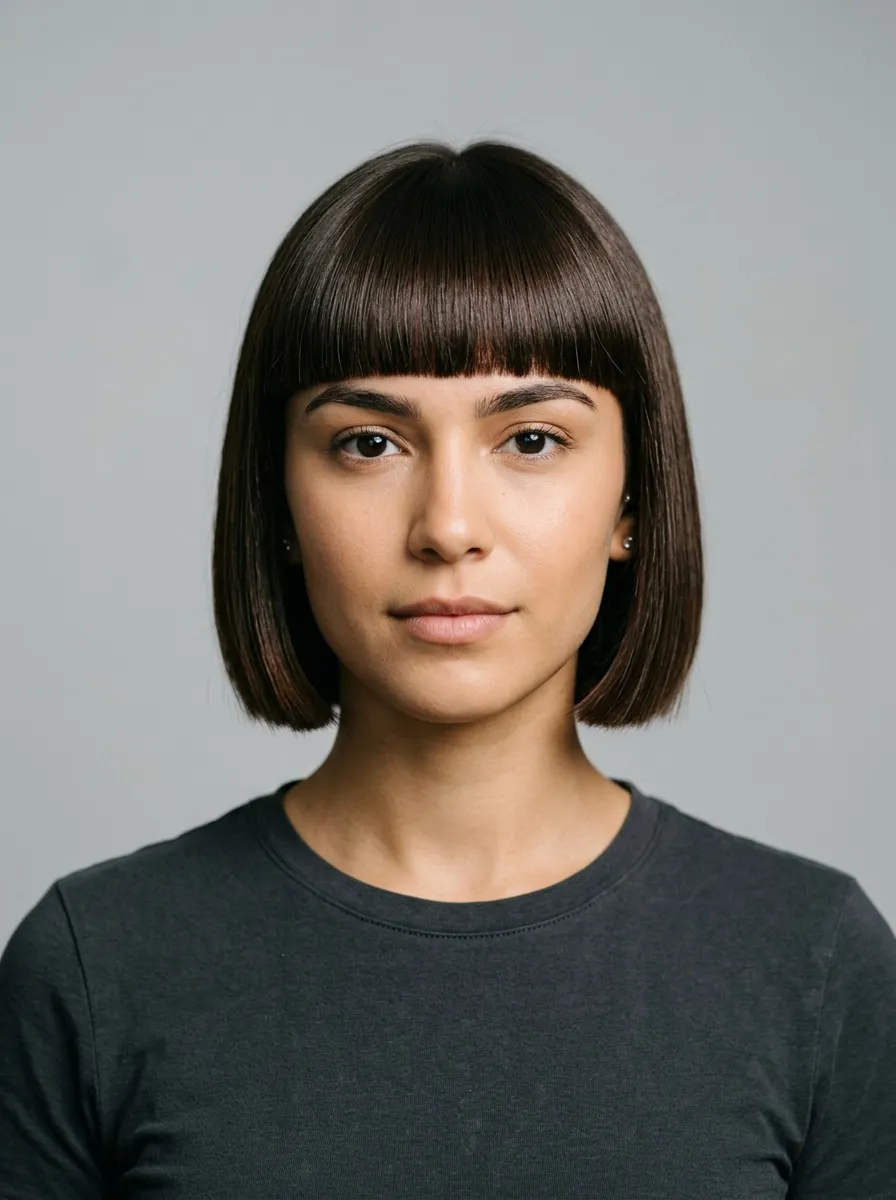
A blunt bob with a blunt fringe is one of the most graphic and iconic 90s haircut combinations. Two clean horizontal lines, one across the forehead and one at the jaw, create a bold geometric frame that is immediately recognizable as a 90s aesthetic.
This is a high-commitment look because both elements require regular trimming to maintain their precision.
The fringe needs trimming every three to four weeks and the bob perimeter every five to six weeks. Between salon visits, blunt bangs can be carefully trimmed at home by combing them flat and cutting a straight line across, removing only a tiny amount at a time.
Style this look with a flat iron for maximum sleekness. The smoother the overall finish, the more the clean lines of the fringe and perimeter stand out.
A boar bristle brush used on the fringe while blow-drying keeps it flat and precise rather than fluffing up.
This style suits heart-shaped and oval face shapes most naturally. For very round faces, consider a slightly longer fringe at the eyebrow rather than above it to avoid shortening the face.
Dark hair colors amplify the graphic quality of this cut. Black and deep brown both create maximum contrast.
4. The Rachel Bob (Layered 90s Bob)

The layered 90s bob with face-framing highlights became one of the most iconic haircuts of the decade. The cut uses internal layering to create movement within the bob while face-framing highlights draw attention to the cheekbones and eyes.
Layers in a bob add significant dimension compared to a one-length version. The hair has more movement, more body, and more visual interest.
Ask your stylist for a layered bob with face-framing pieces cut shorter around the face. The face-framing layers should start at cheekbone level and blend into the rest of the layers behind.
The highlights are the signature detail. Ask for a partial highlight or balayage focused on the face-framing pieces and top sections rather than a full highlight throughout. This costs less and achieves the 90s effect without a full color service.
Style by blow-drying with a round brush for volume and movement. The layers will naturally separate and show their dimension as they dry.
A light-hold finishing spray keeps the layers defined without making the style stiff.
Budget tip: A partial highlight focused only on the face-framing sections is one of the more affordable salon color services. Many salons offer this for significantly less than a full highlight.
5. The Angled Bob with a Side Part
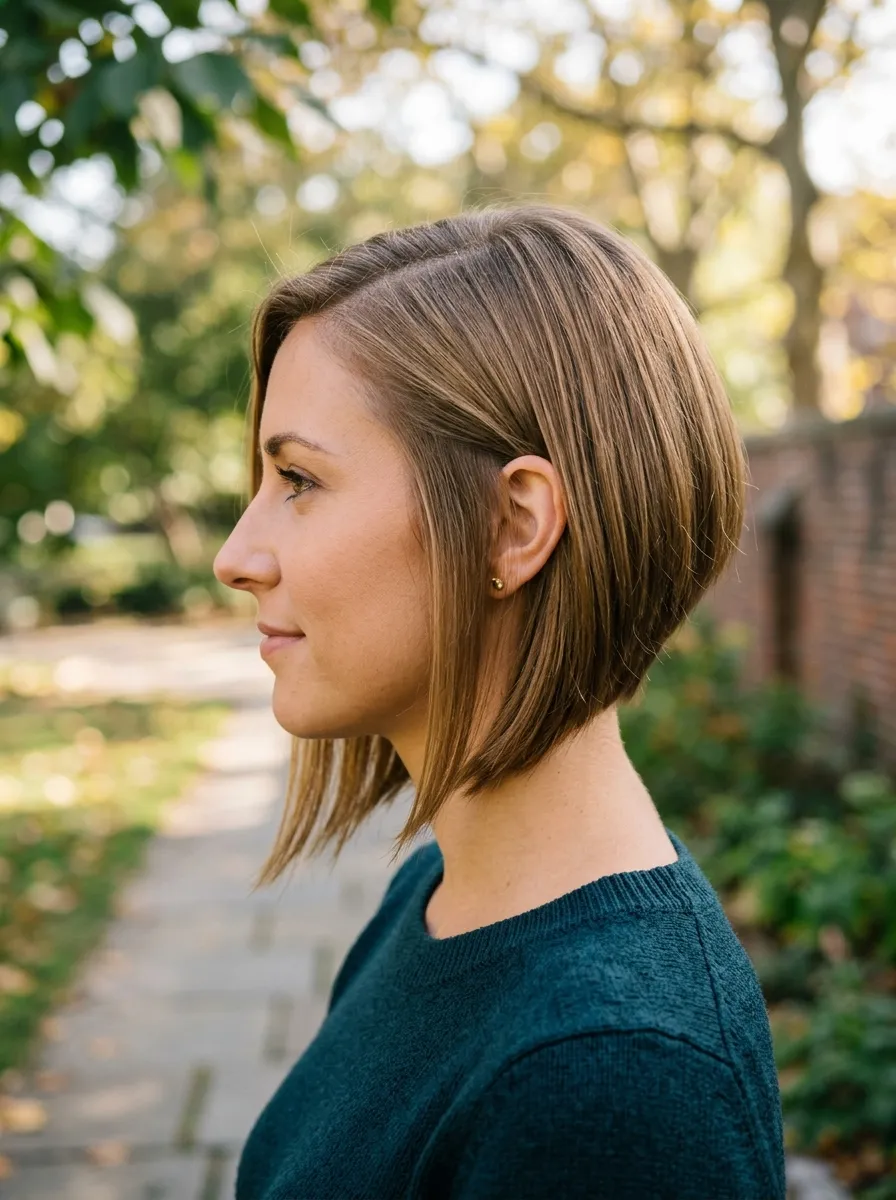
The angled bob, also sometimes called an A-line bob, has the back cut short and close while the front sections angle down to a longer length at the jaw or chin. The result is a silhouette that looks different from every angle and has an inherent geometric quality.
This cut has deep 90s roots and continues to look modern and stylish today.
Ask for an angled bob with a close-cut nape and a gradual angle toward the jaw at the front. The more dramatic the angle, the more graphic the effect.
Style with a flat iron and a round brush. The back section benefits from the round brush to build volume against the close-cut nape.
A side part suits the angled bob most naturally because it enhances the asymmetric quality of the cut. The longer front section falls over and creates a strong diagonal frame.
This cut requires regular maintenance at the back. The stacked nape grows in noticeably faster than the front and needs shaping every four to five weeks.
For fine hair, the stacked back section adds volume and lift that one-length bobs cannot achieve. The stacking creates density at the nape that makes the hair look fuller.
6. The Flippy Bob

The flippy bob is the opposite of the classic inward-curl bob. The ends are flipped outward and upward rather than curled under, giving the bob a bouncy, lifted quality that became very popular in the mid to late 90s.
The outward flip creates more volume and energy than the inward curl, making this a great option for fine or flat hair.
Create the flip with a round brush during blow-drying by rolling the brush outward and upward at the ends rather than under. This trains the ends to flip out as they dry.
A curling iron set to low heat can also create the outward flip on each section. Wrap the ends around the barrel away from the face and hold for eight seconds.
Finish with a medium-hold hairspray to lock the flips in their outward position through the day.
The flippy bob suits round and square face shapes particularly well. The outward flip adds width at the jawline, which creates a visually rounder jaw frame that balances and softens angular or wide foreheads.
This style has a very specific 90s energy that pairs perfectly with the decade’s fashion aesthetic including slip dresses, platform shoes, and minimalist accessories.
Trim every five to six weeks to keep the perimeter clean.
7. The Crimped Bob
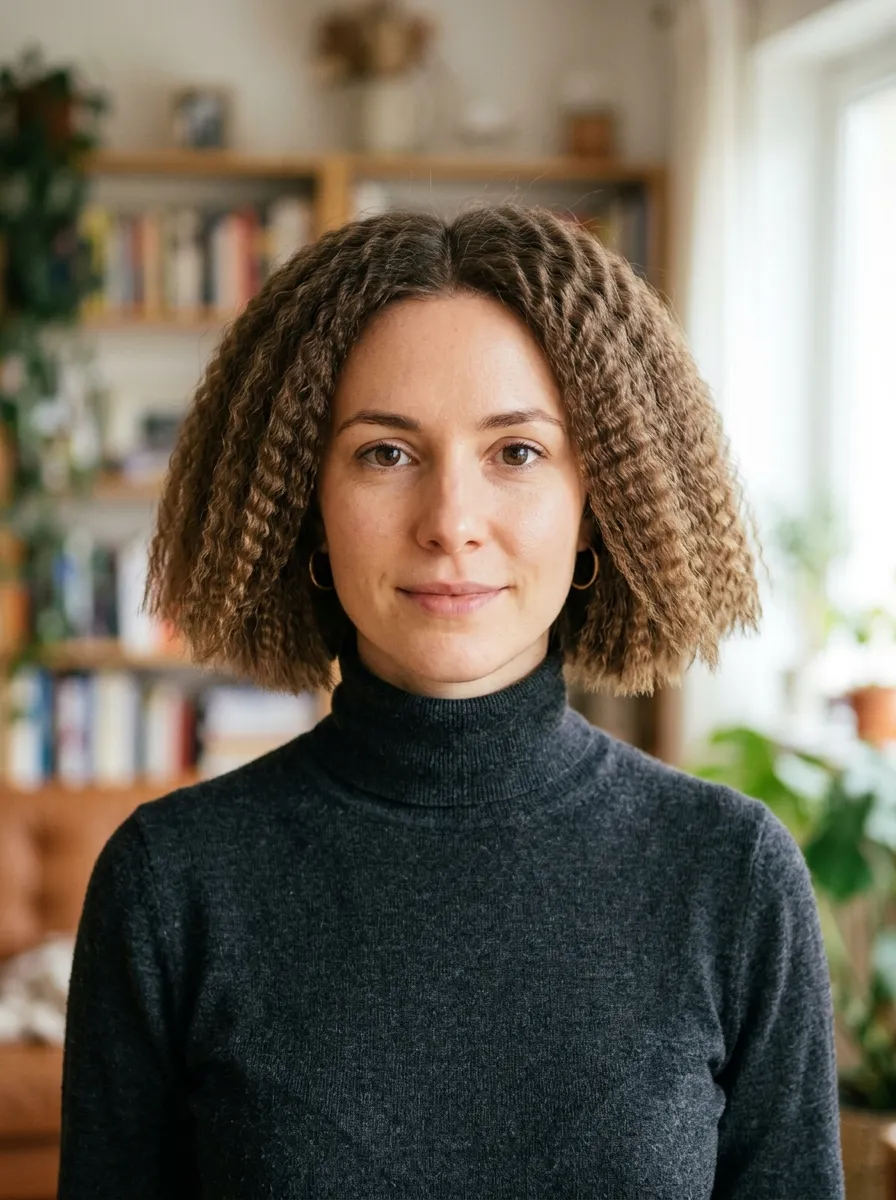
Crimped hair was everywhere in the 90s and the crimped bob is one of the most recognizable styling looks from the decade. The uniform zigzag texture pattern adds significant volume and creates a very specific retro quality.
Modern crimping irons are widely available at beauty supply stores for around $20 to $30.
Section the dry hair into horizontal layers and crimp each section from roots to ends. Work from the bottom up. The crimped pattern should be uniform and consistent throughout.
Do not brush after crimping. Brushing flattens the crimped pattern and creates a frizzy texture rather than the clean zigzag.
Apply a light-hold hairspray before crimping to help the pattern hold through the day.
For a more modern take on the crimped bob, crimp only the mid-lengths and ends rather than the full root-to-end length. This creates a more relaxed texture while still referencing the 90s aesthetic.
The crimped bob looks especially striking on dark hair where the light and shadow of the zigzag pattern are most visible.
Budget tip: Entry-level crimping irons at beauty supply stores work just as well as premium versions for this specific styling effect. Invest in a basic model and a good heat protectant spray.
8. The Center Part Bob with No Fringe
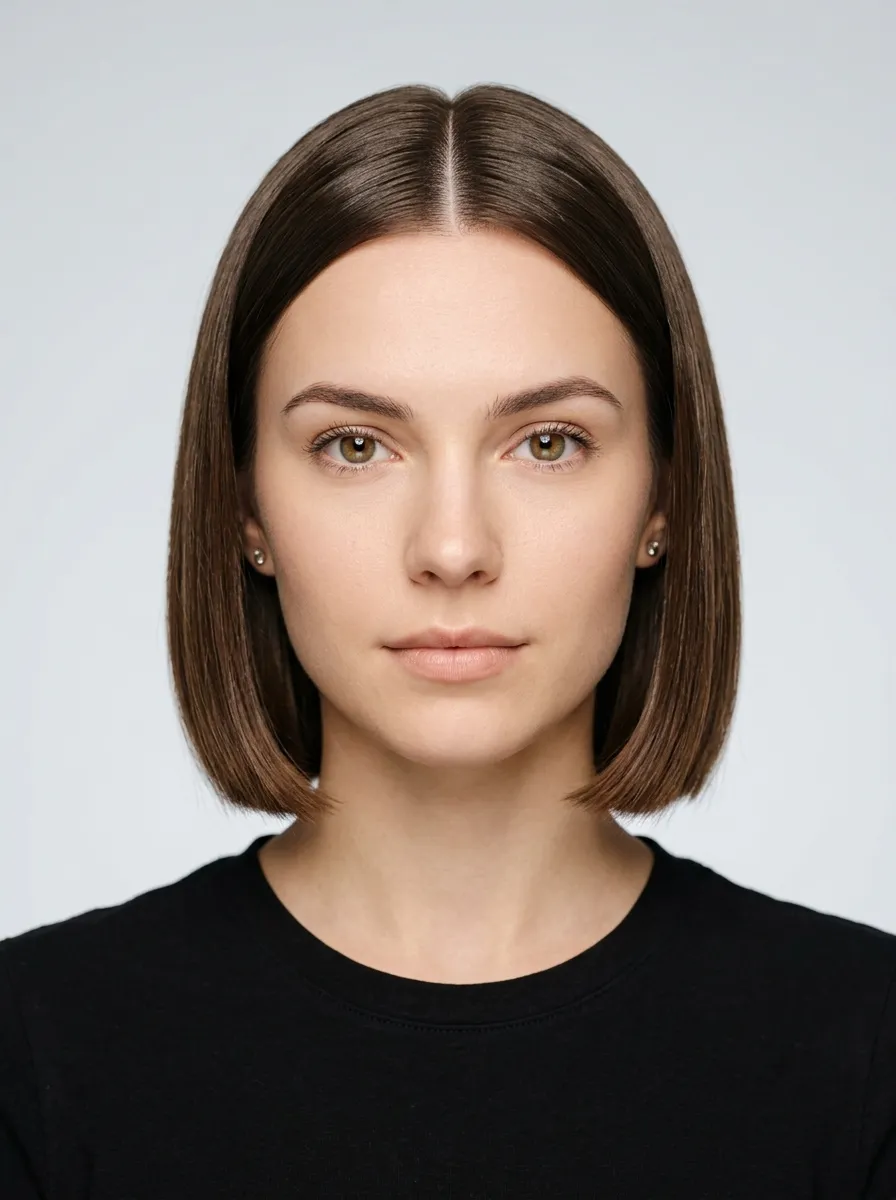
The center part bob with no fringe is one of the most minimalist and clean 90s bob variations. The symmetry of the center part creates a simple, graphic frame and the absence of any fringe keeps the forehead open and the face fully visible.
This style communicates confidence. There is nothing to hide behind.
Create the center part with a rat-tail comb while the hair is damp. This sets the part precisely and the hair dries in position.
On straight hair, this style air-dries into a clean, acceptable shape. A quick pass with a flat iron smooths any unevenness after drying.
On wavy hair, blow-dry with a round brush to achieve the smooth finish needed for this style. The center part on wavy hair that is not smoothed can look messy rather than intentional.
This style works best on oval and heart face shapes where the symmetry of the center part suits the balanced proportions of the face. For very round faces, a slight side part deviation creates a more flattering asymmetry.
Style this look as sleek as possible for a true 90s effect. A light shine serum smoothed over the surface completes the look.
Budget tip: A fine-tooth rat-tail comb is a one-dollar purchase at any dollar store. It is all you need for the perfect center part.
9. The Bob with Highlights and a Dark Underside
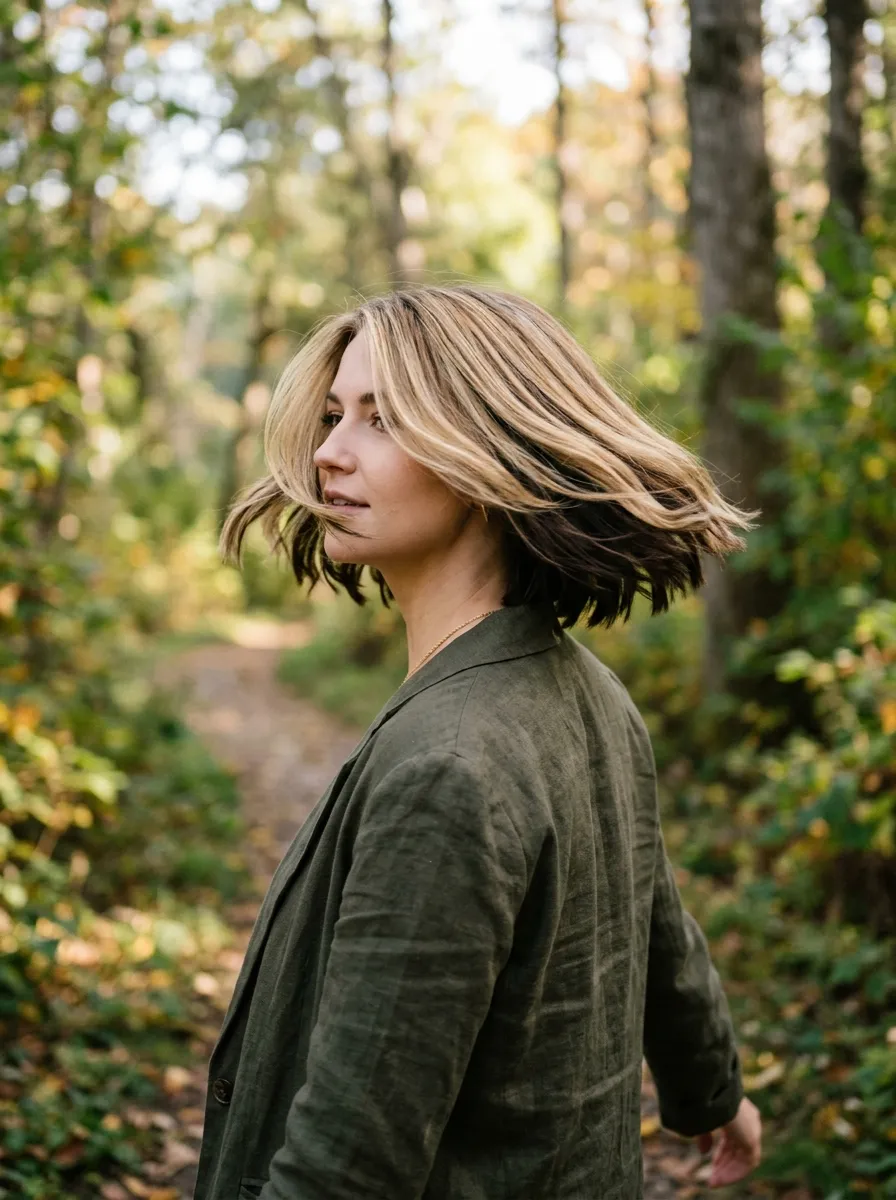
A bob with highlights on top and a darker underlayer underneath was a very popular 90s color technique. When the bob moves, the darker underlayer peeks out beneath the lighter surface, creating a two-dimensional color effect.
This look is back in trend as part of the broader 90s hair revival and it suits the bob silhouette particularly well.
Ask for highlights applied only to the upper sections and crown while the underlayer and nape sections remain darker. The contrast between the two tones does the styling work.
The bob cut shows this two-tone effect more dramatically than longer hair because the ends move and separate more freely, regularly revealing the darker underlayer.
For a modern version of this technique, a partial balayage on the upper sections creates a more blended, natural two-tone effect compared to traditional foil highlights.
Maintain the contrast by keeping the underlayer at the base color and refreshing only the highlights as needed. This significantly reduces color maintenance costs.
Budget tip: A partial highlight or balayage on only the top sections costs much less than a full color service. Ask specifically for an upper-section-only application at your next color appointment.
10. The Bob with Body Wave Perm

A body wave perm on a bob creates the soft, voluminous wave texture that was very popular through the early 90s. The perm adds permanent wave structure to the hair, making styling much easier and giving the bob natural movement it would not otherwise have.
A body wave uses larger rods than a traditional perm, creating big, soft waves rather than tight curls.
Ask specifically for a body wave with large rods to ensure the result is a soft wave rather than a curl. The rod size determines the wave size.
Modern perms are significantly gentler than older formulas. However, the process still requires chemical processing and is best done by a professional.
At home, after a body wave perm, style by scrunching a small amount of curl cream into damp hair and air-drying. Or blow-dry with a diffuser for a more voluminous result.
The permed bob is very low maintenance for daily styling because the wave structure is built in. Finger-styling with a little cream is often enough.
Deep condition weekly to keep permed hair healthy and the wave pattern defined. Perming removes some moisture from the hair and regular conditioning compensates for this.
Budget tip: A salon perm is more affordable than many color services. Many salons offer body waves at a lower price point than full colors or highlights.
11. The Wavy Bob with a Middle Part

A wavy bob with a middle part brings together the structure of the bob cut with a softer, more relaxed styling approach. The waves add natural movement and dimension while the middle part keeps the 90s reference strong.
This version suits people who want the 90s bob aesthetic without the effort of a full sleek blow-dry.
For natural wavy hair, apply a lightweight styling cream while damp and air-dry with the center part in place. The natural wave pattern fills out the bob perfectly with minimal intervention.
For straight hair, use a one-inch curling wand to add waves and then set the center part with a comb. Spray lightly to hold the part in place as the waves set.
The imperfect, relaxed quality of the waves suits the contemporary take on the 90s bob. A perfectly uniform wave looks more deliberate. Slightly imperfect waves look more organic and modern.
This style works especially well at the collarbone to chin length range. Hair that is too short does not have enough length to show the wave movement within the bob shape.
Budget tip: Air-drying with a basic drugstore styling cream is the most affordable approach to this style. No heat tools needed.
12. The Dark Bob with Minimalist Styling
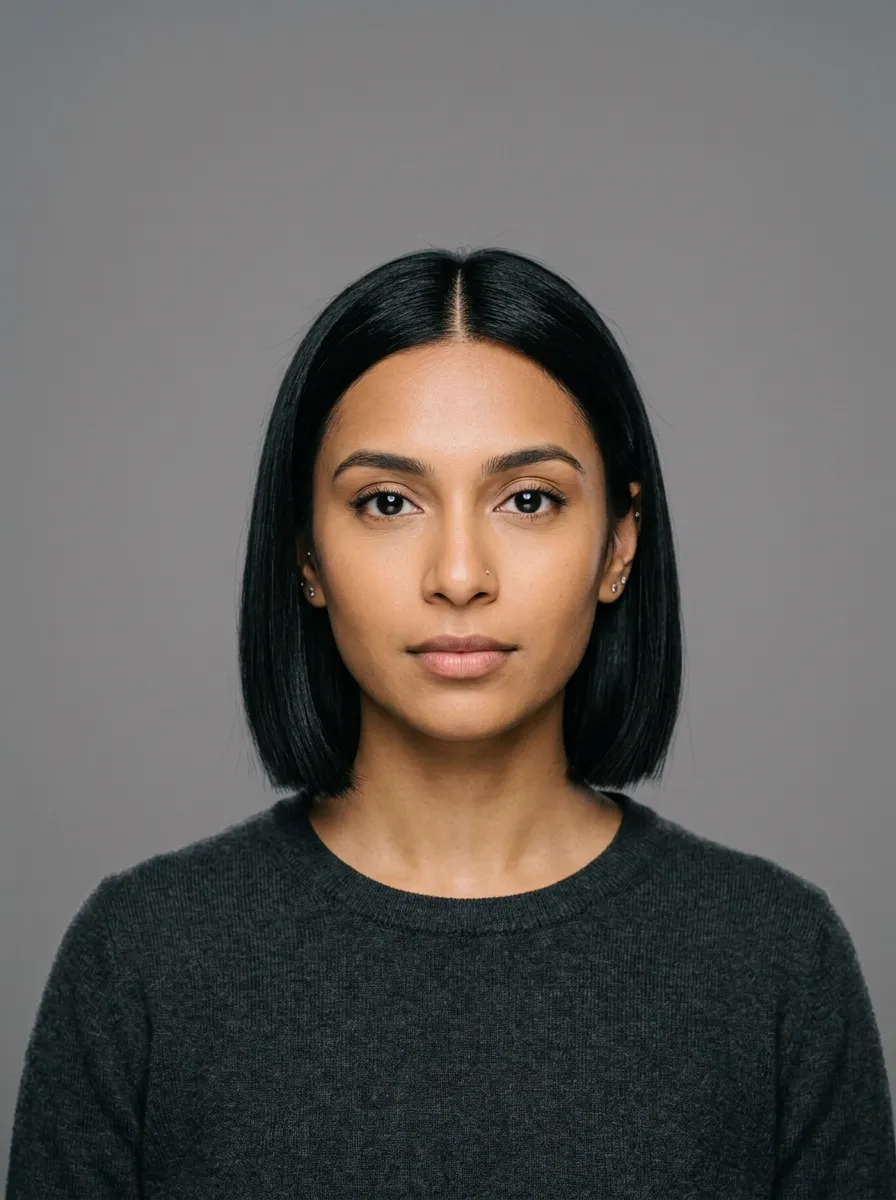
The dark, minimally styled bob is the most stripped-back 90s bob on this list. No elaborate color, no complex styling. Just a clean bob in a dark color with a precise part and smooth finish.
This look draws its strength from simplicity. The dark color and the precise cut do all the work.
Jet black or deep espresso brown are the two most impactful dark shades for this look. Both create high contrast against most skin tones and make the bob’s geometric shape stand out clearly.
Maintain jet black hair with a color-safe shampoo washed in cool water. A black or dark color-depositing conditioner used weekly keeps the tone rich.
Style with a flat iron for a genuinely smooth surface. A light shine serum adds gloss.
This look suits cool and neutral-toned complexions most naturally. For warmer skin tones, deep espresso or dark chocolate brown is a more flattering alternative to pure black.
The minimalism of this style is its defining feature. Avoid heavy accessories or elaborate styling. A simple small earring or a clean lip color is all the embellishment this look needs.
Budget tip: Box dye in shade 1 or 1B achieves jet black at home for under $10 at any drugstore. Apply to dry hair for the most saturated result.
13. The Two-Toned Highlighted Bob

Chunky, high-contrast highlights were one of the defining color trends of the late 90s. Wide sections of significantly lighter color placed through a dark or medium base create a bold, graphic effect that reads as distinctly of that era.
This is a very different approach from modern balayage, which uses fine, blended sections. The 90s chunky highlight was deliberately obvious.
The key is the size and contrast of the highlighted sections. Wide sections and a high contrast between the base and highlight color create the most authentic 90s result.
Ask your stylist for chunky foil highlights in wide sections, approximately half an inch to an inch wide. Platinum or very light blonde on a dark brown or black base creates the strongest contrast.
This look requires more maintenance than subtle highlighting because the wide sections of lighter color show new growth more visibly. Plan for a touch-up every eight to ten weeks.
Use a purple toning shampoo on the lighter sections once a week to prevent brassiness.
Budget tip: Chunky highlights on a bob require less total product than a full head of fine highlights because fewer sections are colored. This can reduce the cost of the color service.
14. The Stacked Bob
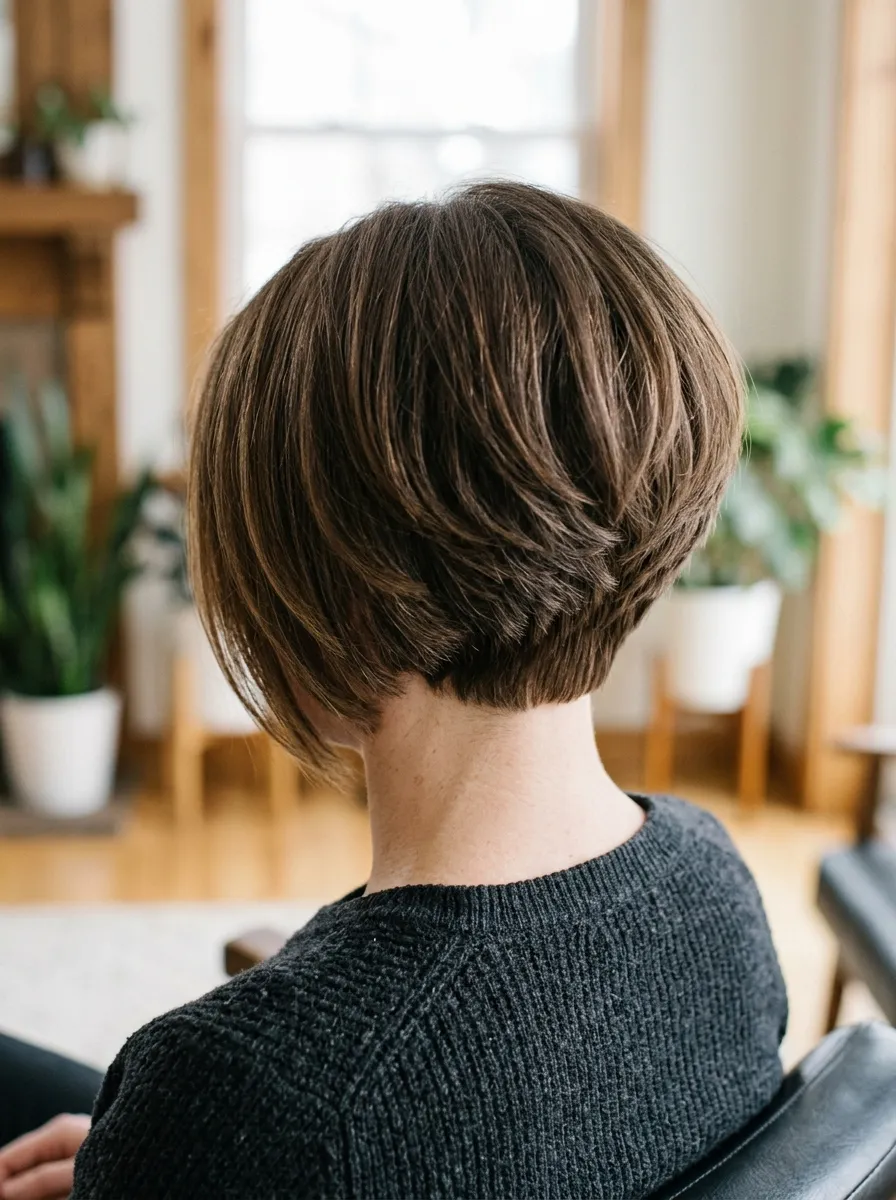
The stacked bob has layers stacked tightly at the nape and back of the head, creating a full, rounded silhouette at the back while the front remains longer. This cut adds significant volume and shape that a one-length bob cannot achieve.
The stacking creates a graduation where the layers at the nape are the shortest and the hair gradually lengthens toward the front.
The back view of a stacked bob is where the cut shows most dramatically. The stacked layers create a rounded shape that looks intentional and structural.
This cut suits people with fine or thin hair especially well. The stacking at the nape creates the appearance of much more density than the hair actually has.
Blow-dry the stacked section with a round brush directing the hair outward and slightly downward to maintain the rounded shape. The front sections blow-dry toward the face.
Maintain the stacked back every four to five weeks. The nape grows out quickly and the stacking loses its defined shape as the layers lengthen.
This style works very well on straight hair where the stacked layers show clearly. On curly or wavy hair, the stacking creates additional volume that can make the overall shape very full.
15. The Long Bob with 90s Layers

The long bob with 90s layers sits at the collarbone rather than the chin and features the same internal layering that defined the decade’s bob variations. The collarbone length makes it more forgiving and wearable for a wider range of lifestyles.
This is sometimes called a lob, but the 90s version has a specific layering style that separates it from the modern lob.
Ask for layers starting at the chin level and blending toward the ends with a slightly heavier weight line at the perimeter. This weight line at the ends is what gives the 90s long bob its characteristic look.
Style by blow-drying with a round brush for volume and movement through the layers. Finish with a light-hold spray.
On wavy hair, the layers amplify the natural texture beautifully. This version of the 90s long bob suits wavy and slightly curly hair particularly well with minimal styling.
Face-framing highlights starting at the chin level reinforce the 90s quality of this cut and add dimension.
The collarbone length grows out more gracefully than the shorter chin versions, making this a good choice for people who want to start with a 90s bob style but are not ready to commit to a very short cut.
16. The Copper Bob

Copper and warm auburn hair colors were extremely popular in the 90s, particularly on short bobs. The warmth of the color suits the clean lines of the bob beautifully and creates a very different feel from the cooler, darker versions.
A copper bob is warm, striking, and genuinely distinctive. It suits warm and neutral-toned complexions particularly well.
Copper tones require pre-lightening for very dark hair. On medium brown hair, a copper semi-permanent or permanent color can be applied directly with good results.
Copper fades toward a lighter orange as it ages. Use a color-safe shampoo and wash in cold water to extend the vibrancy.
A warm copper-toned color-depositing conditioner used weekly maintains the tone between full color applications.
For a DIY approach, copper and auburn box dyes are widely available at drugstores for under $10. Apply to damp, clean hair rather than dirty hair for the most even result.
Style this bob with a flat iron for a sleek, glossy finish that shows off the color fully. The smoother the hair, the more vibrant the copper tone appears.
Budget tip: Copper and auburn are natural-range shades that do not require bleaching on most hair shades, making this one of the more affordable 90s bob color choices.
17. The Chin Bob with Frosted Tips

Frosted tips on a bob placed the lightened color specifically at the very ends and tips of the hair rather than throughout. The rest of the hair remained dark, creating a halo of lighter color at the perimeter.
This was a distinct 90s color technique that differs from balayage and ombre in its placement and visual effect.
The frosted tip effect can be recreated at home using a frosting cap or by carefully painting lightener only onto the last half inch to one inch of the ends. Use a small paint brush for precision.
Apply petroleum jelly along the hair above where you want the lightener to stop. This protects the darker sections from accidental lightening.
Process according to the lightener instructions and tone with a platinum or cool-toned toner after rinsing.
This technique works best on chin-length bobs where the entire frosted perimeter is visible as a frame. Longer bobs can lose the visual impact of the frosted tips as they blend into the rest of the length.
Maintain by re-frosting the tips every eight to twelve weeks as the lightened section grows away from the ends.
Budget tip: A small frosting kit from a drugstore costs around $8 to $12 and contains everything needed for this technique.
18. The Bob with Curtain Bangs

A bob with curtain bangs bridges the gap between the structured 90s bob aesthetic and a softer, more contemporary styling approach. The bob provides the structural shape while the curtain bangs add a soft, romantic frame to the face.
This combination was present in 90s hair culture but has become even more popular in the current revival of the decade’s aesthetics.
Ask for curtain bangs cut to cheekbone length with a point-cut edge so they feather softly rather than ending in a hard line. This creates a seamless connection between the bangs and the rest of the bob layers.
Style the bangs by blow-drying with a small round brush, sweeping each side outward from the center. This sets the sweep and keeps the bangs flat against the forehead.
The bob behind the bangs can be worn sleek for a polished 90s feel or slightly textured for a more relaxed everyday look.
This combination suits all face shapes. Curtain bangs are one of the most widely flattering bang styles available.
Trim the bangs every four to five weeks and the bob every six weeks.
19. The Bob with Claw Clip Styling
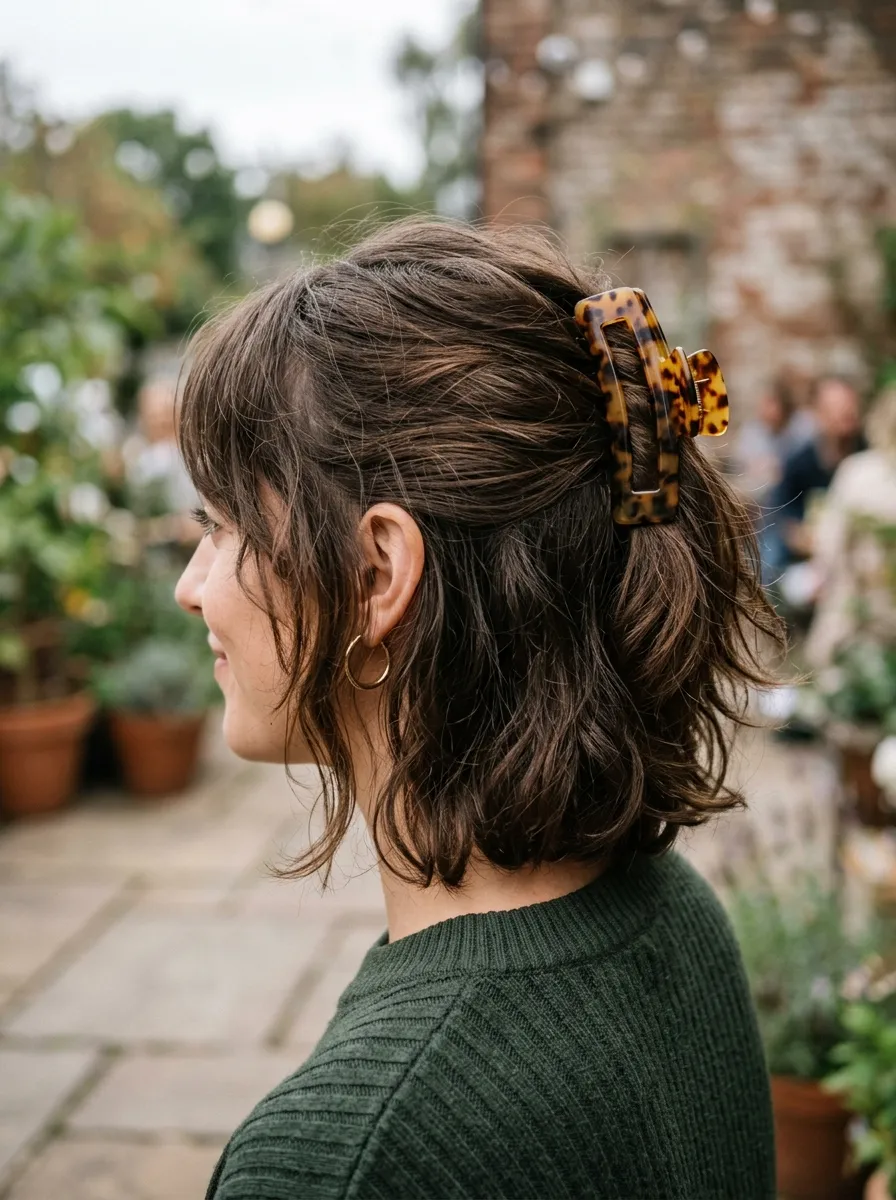
Claw clips are one of the most iconic 90s hair accessories and they suit the bob perfectly as a styling tool. A large claw clip gathering a portion of the bob into a loose half-up creates an instantly recognizable 90s aesthetic.
Clip the top or back half of the bob into a claw clip while leaving the rest down. The clip does not need to hold everything neatly. A slightly loose, imperfect clip is part of the 90s appeal.
Large tortoiseshell claw clips are the most authentically 90s option. They are widely available at beauty supply stores, dollar stores, and online for very little cost.
The bob’s length means a half-up clip does not create a full updo. The result is more of a pinned accent style where the clip is a visible design element.
This works on all bob lengths from chin to collarbone and on straight, wavy, and curly textures.
This is a genuinely no-effort style. Apply the clip and go. It requires zero preparation and looks intentional because the 90s claw clip aesthetic is so strongly recognized.
Budget tip: A large claw clip costs under $3 at most stores. Owning three or four in different colors and finishes gives you styling options for almost no investment.
20. The Bleached Blonde Bob
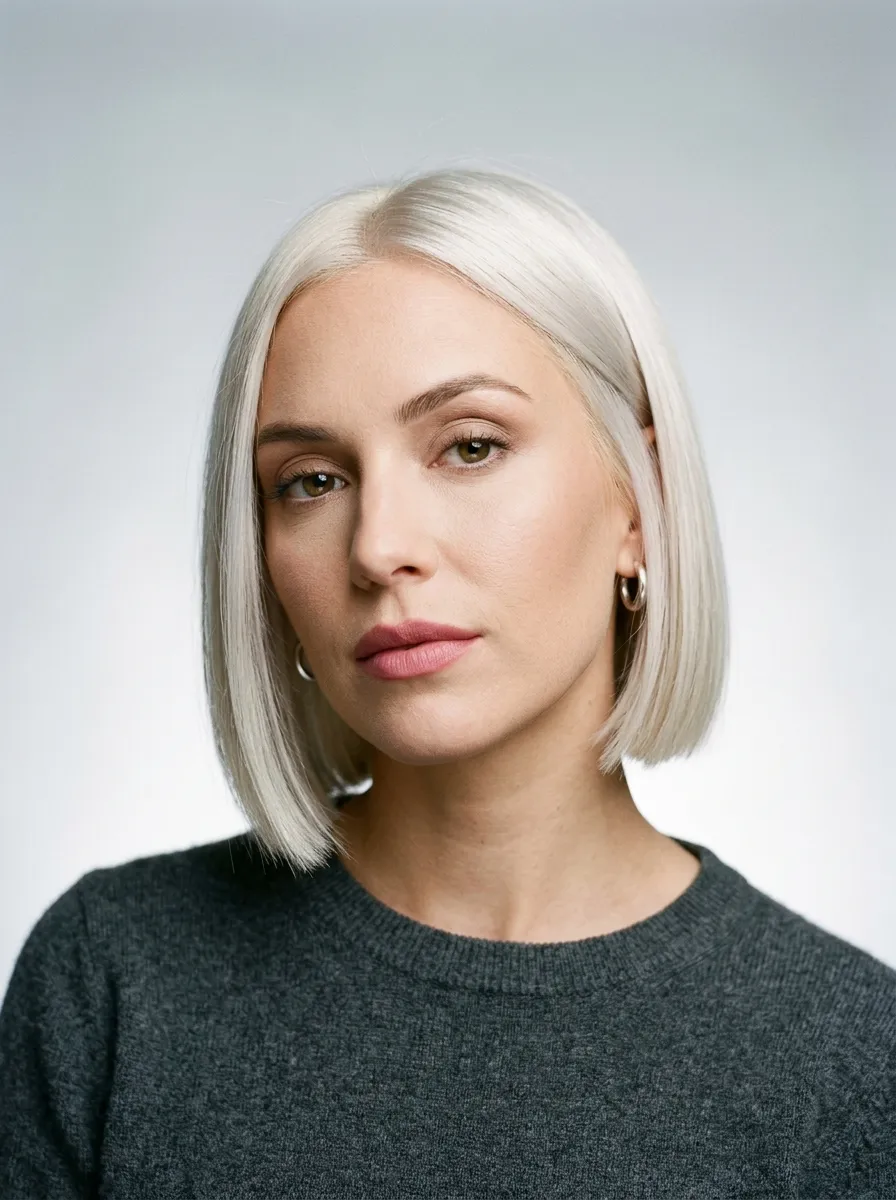
The bleached platinum blonde bob is a high-commitment but extremely striking 90s-inspired look. Platinum hair on a clean bob creates maximum visual impact with its high contrast and graphic simplicity.
Getting to true platinum from dark hair requires professional bleaching and toning. This is not a single-session process on dark hair and attempting it at home without experience risks significant damage.
For blonde or light brown hair, a home bleach kit and a platinum toner can achieve the look safely with careful processing. Do a strand test first.
For dark hair, visit a colorist who specializes in lightening work. The process typically requires multiple sessions.
Maintain platinum hair with a purple toning shampoo used once or twice a week. This neutralizes the yellow tones that appear as platinum fades.
Deep condition weekly. Bleached hair loses moisture rapidly and the ends become brittle without consistent conditioning.
The sleek blow-dried bob suits platinum hair best. The smooth, flat surface shows off the even color distribution and maximizes the striking quality of the platinum tone.
Budget tip: Once you are at platinum, maintenance costs reduce to only purple shampoo and deep conditioner, both widely available at drugstores at affordable prices.
21. The Bob with a Deep Side Part and Tuck

A bob with a deep side part and one side tucked behind the ear is one of the most classic 90s styling approaches. The tucked ear exposes jewelry and creates a clean, asymmetric frame.
This style requires no tools. It is purely about the parting and placement.
Create a very deep side part with a comb. Tuck the smaller section cleanly behind the ear and smooth it flat with your fingers or a small amount of styling wax.
The heavier side falls forward and across toward the opposite cheekbone, creating a dramatic sweep.
A small earring on the tucked side is the perfect finishing detail. The exposed ear creates a natural showcase for jewelry.
Smooth any surface frizz with a light serum before tucking to keep the tucked section flat and controlled.
This style suits all bob lengths and works on straight, slightly wavy, and smooth-finished hair. Very curly hair may need smoothing with a flat iron to achieve the clean tuck.
The asymmetry created by the side part and tuck is one of the most flattering styling choices for oval and heart face shapes.
Budget tip: This style requires zero products if the hair is already smooth. No purchase needed.
22. The Wet-Look Bob
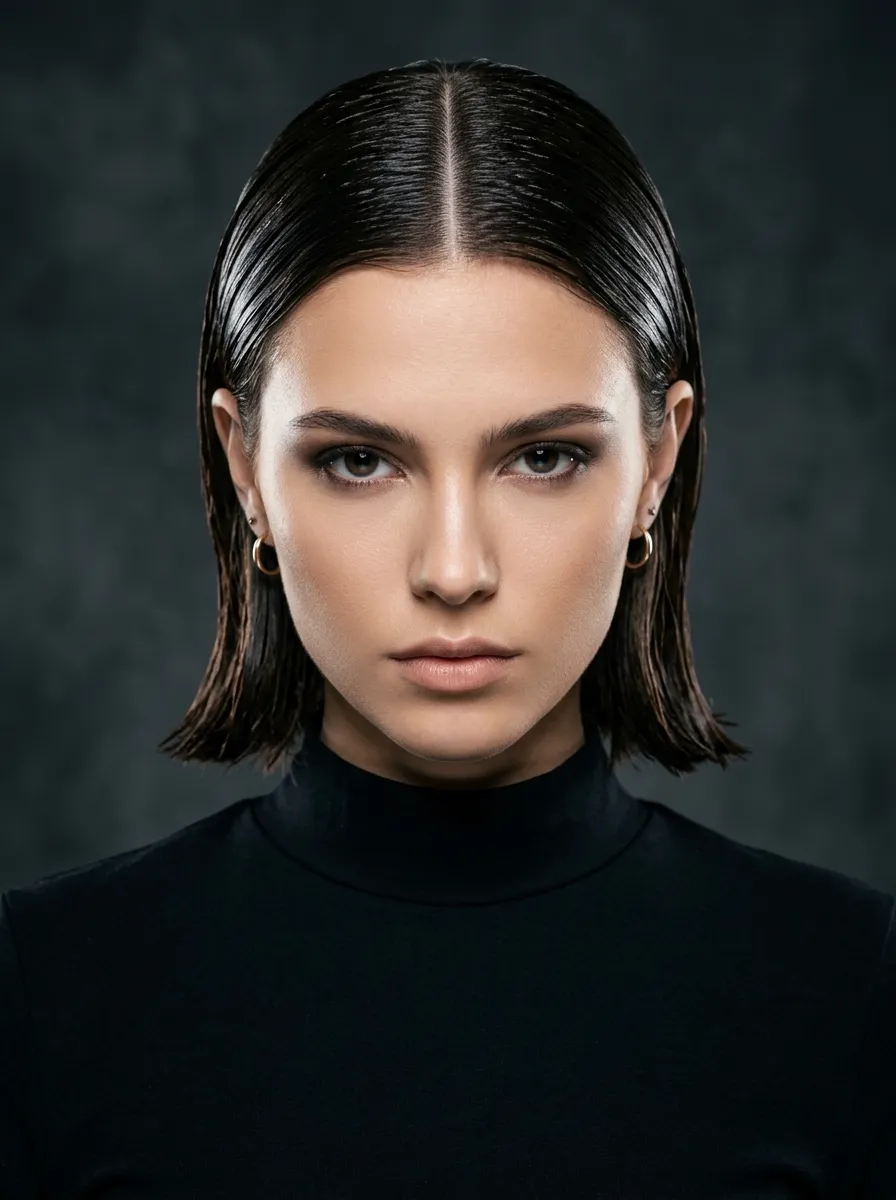
The wet-look bob was a high-fashion 90s styling choice that used strong-hold gel to create the appearance of permanently wet, slicked hair. The effect is bold, deliberate, and very specific to that decade’s avant-garde aesthetic.
Apply a generous amount of strong-hold gel to either wet or dry hair and comb it through completely for an even distribution. Smooth with a fine-tooth comb for the sleekest result.
Comb the hair into the desired part and shape while the gel is still workable. Once it dries, the style sets firmly.
The wet-look works best on chin to jaw-length bobs where the gel application is manageable. Very long bobs require more product and more work to coat evenly.
Edge control gel or a strong styling gel such as Eco Styler both work for this effect at a very low cost.
The slicked, wet appearance suits bold makeup, strong accessories, and minimalist clothing. The hair is making a strong enough statement that the rest of the look should be deliberately considered.
This style does not transition well as it dries if the gel is disturbed. Style it once and leave it.
Budget tip: A large tub of Eco Styler gel or a similar strong-hold product from a beauty supply store costs around $5 to $8 and is enough product for many styling sessions.
23. The Natural Texture Bob
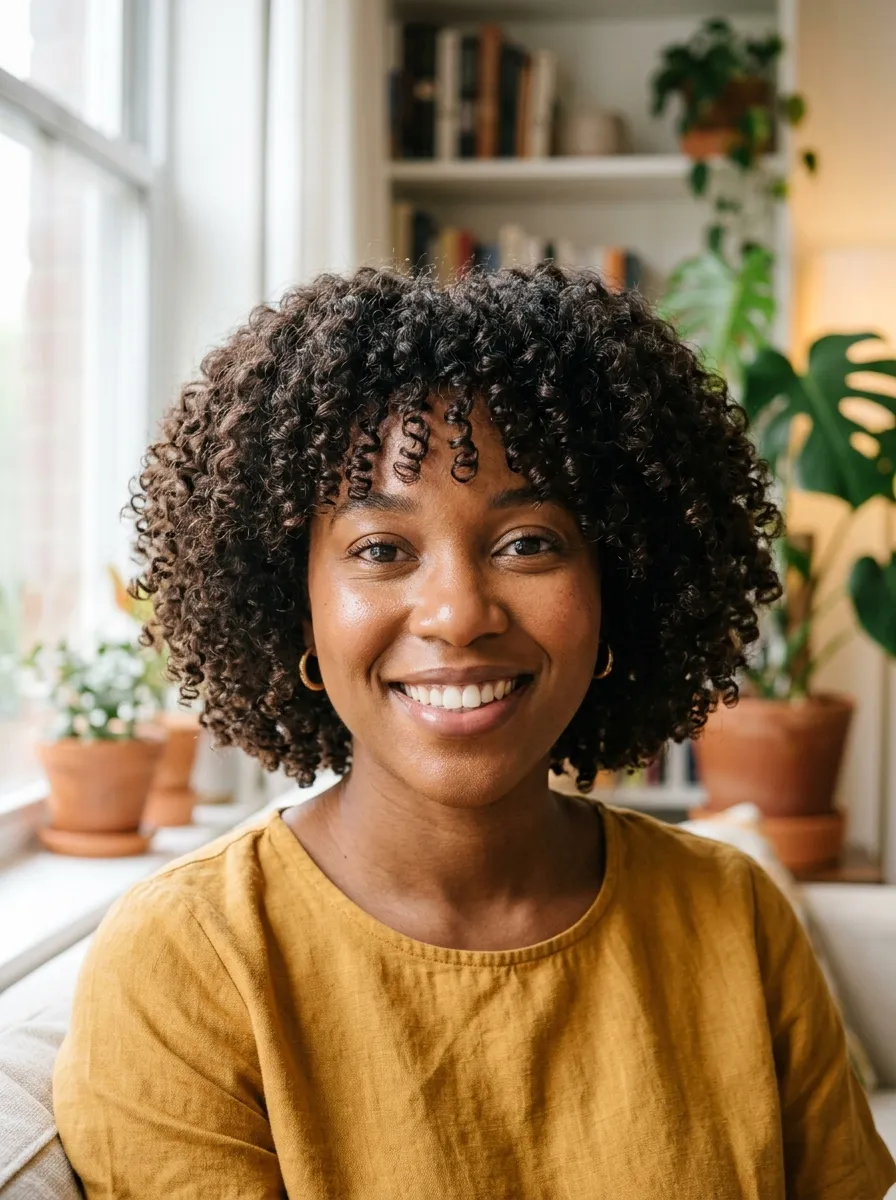
Not every 90s bob was straight and sleek. Natural texture bobs were worn throughout the decade, particularly in communities where natural hair was celebrated and practical. The bob cut on natural or curly hair creates a full, rounded shape with the texture doing the work.
Getting a bob cut on natural hair requires a stylist who understands curl patterns and how they interact with the cut shape.
Ask for the bob to be cut on dry hair so the stylist can see exactly how each curl falls and make precise decisions about where to cut without the surprise of shrinkage after drying.
The cutting technique matters on natural hair. Razor-cutting can disrupt the curl pattern on some textures. Shear-over-comb or scissor-on-curl techniques typically work better.
Style with a curl cream applied to wet hair and either air-dry or diffuse on low heat. The bob shape will emerge as the curls dry and form.
A natural texture bob is genuinely low-maintenance. The natural pattern requires minimal daily styling once the right product routine is in place.
Define the bob shape with a shape-up trim every six to eight weeks rather than a full cut.
Budget tip: Natural hair stylists who specialize in cuts are widely available. Look for someone with clear before-and-after photos of natural hair bobs in their portfolio before booking.
Conclusion
The 90s bob is not just a nostalgic reference. It is a genuinely good haircut with decades of proof behind it. Every variation on this list, from the classic sleek chin bob to the natural texture version, has something to offer in terms of shape, flattery, and practical wearability. The decade gave us some of the most distinctive and enduring haircut ideas in modern hairstyling history, and the bob was at the center of all of it. Pick the version that most closely matches your hair type, your face shape, and your personal style. Save a reference image and bring it to your stylist with clear communication about the specific details you want. Whether you go fully committed with a bleached platinum look or start small with a curtain bang bob at collarbone length, every style on this list gives you a solid, flattering foundation to work from. The 90s bob works just as well in any year as it did then.
Leave a Reply