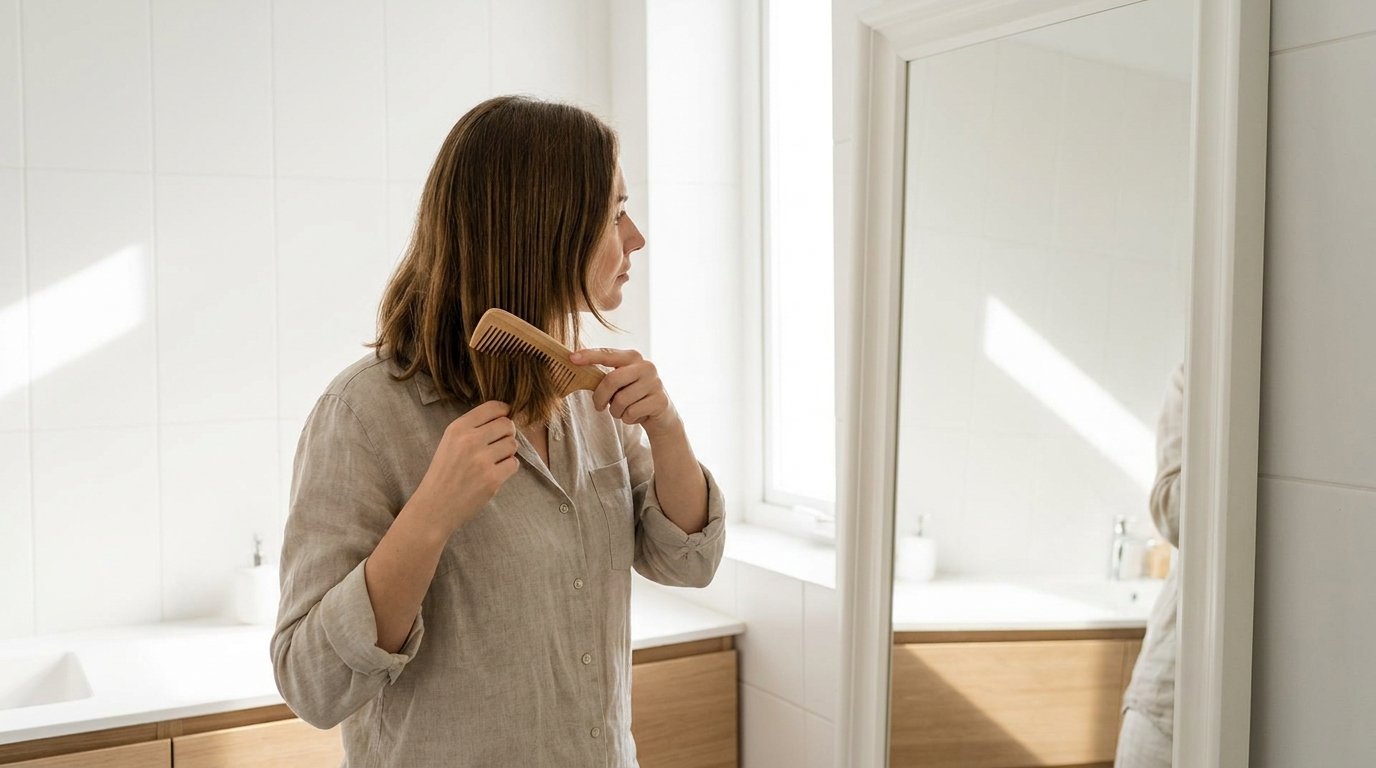
Walking out of the salon or finishing a DIY trim only to notice one side is longer than the other is genuinely frustrating. Before you book an emergency appointment or panic about the mirror, know that small unevenness is often fixable right at home with the right tools and a slow, careful approach. Here is exactly how to even things out safely. Also read: How to Get Rid of Split Ends.
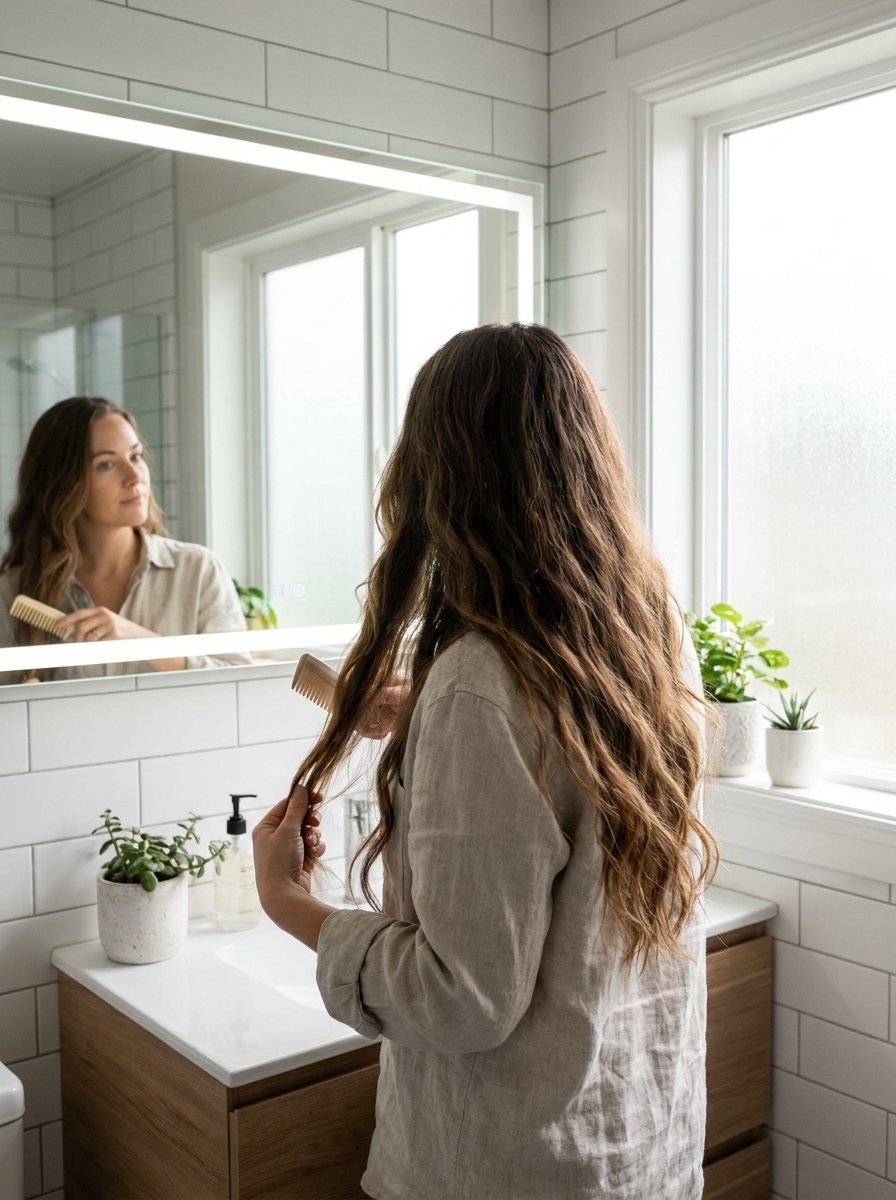
Assess the Damage Before Cutting Anything
The biggest mistake people make is grabbing scissors immediately out of frustration. Take a breath and really look at what you are working with first.
- Section your hair evenly and compare both sides in a well lit mirror
- Use a comb to pull hair straight down, since curls and waves can make length look more uneven than it is
- Take a photo from the back if possible to see angles you cannot see directly
Gather the Right Tools
Using kitchen scissors or dull tools is one of the fastest ways to make an uneven cut worse. Proper tools make a real difference in how clean the result looks.
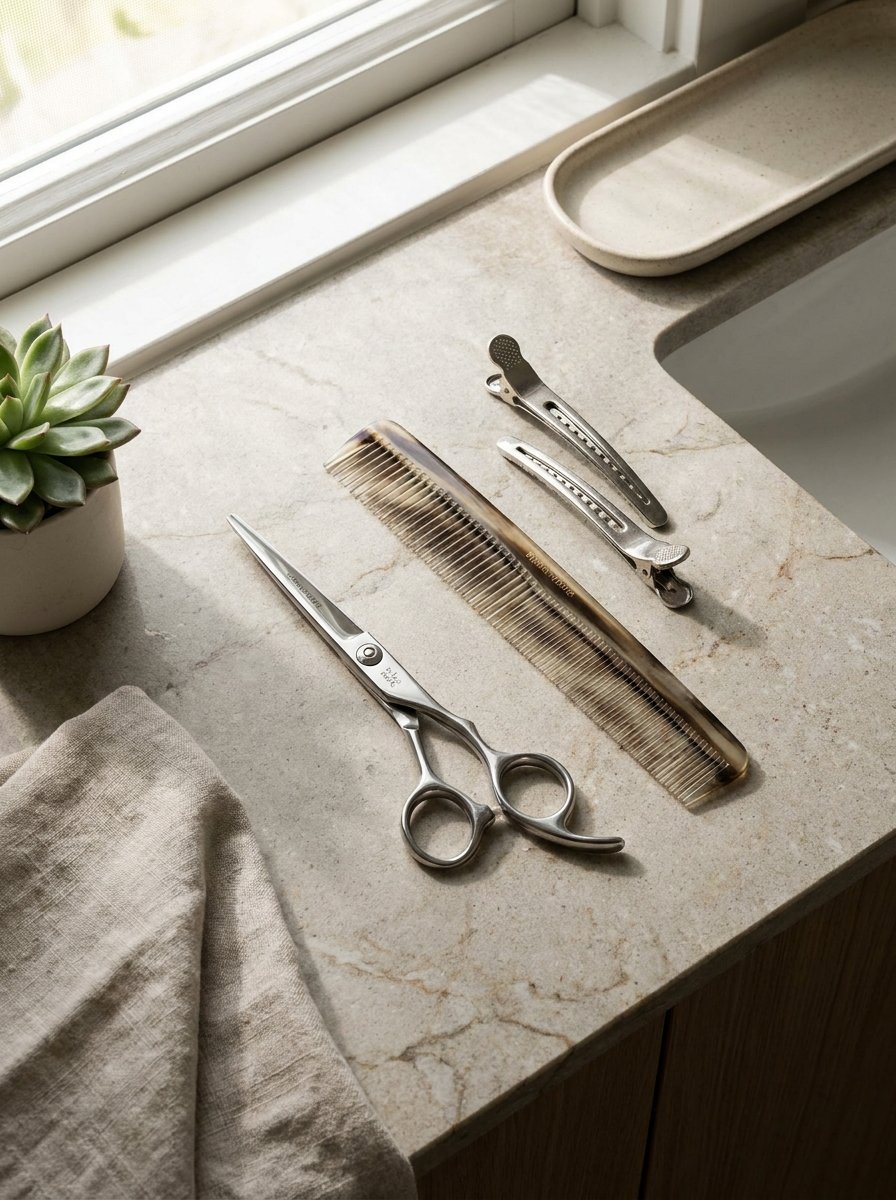
- A pair of proper hair cutting shears, never regular scissors
- A fine tooth comb for sectioning
- Hair clips to separate sections
- A handheld mirror to check the back if working alone
Work with Damp, Not Soaking Wet Hair
Hair looks longer when wet, which can trick you into cutting too much. Damp hair gives a more accurate sense of length while still being easy to work with.
- Lightly mist hair with water rather than fully wetting it
- Comb through completely before starting so sections lay flat and even
Section Hair Symmetrically
Working in small, mirrored sections helps you compare both sides constantly instead of accidentally over correcting one area.
- Divide hair into even sections using clips
- Start with the shorter side as your guide length
- Work section by section, comparing directly across from each other as you go
Trim in Small Amounts
This is the most important rule for fixing an uneven cut. It is always possible to trim more, but you cannot add length back once it is cut.
- Cut no more than a quarter inch at a time
- Recheck length against the opposite side after every small cut
- Stop as soon as both sides look even, even if it feels like you could go further
Use the Point Cutting Technique for Blending
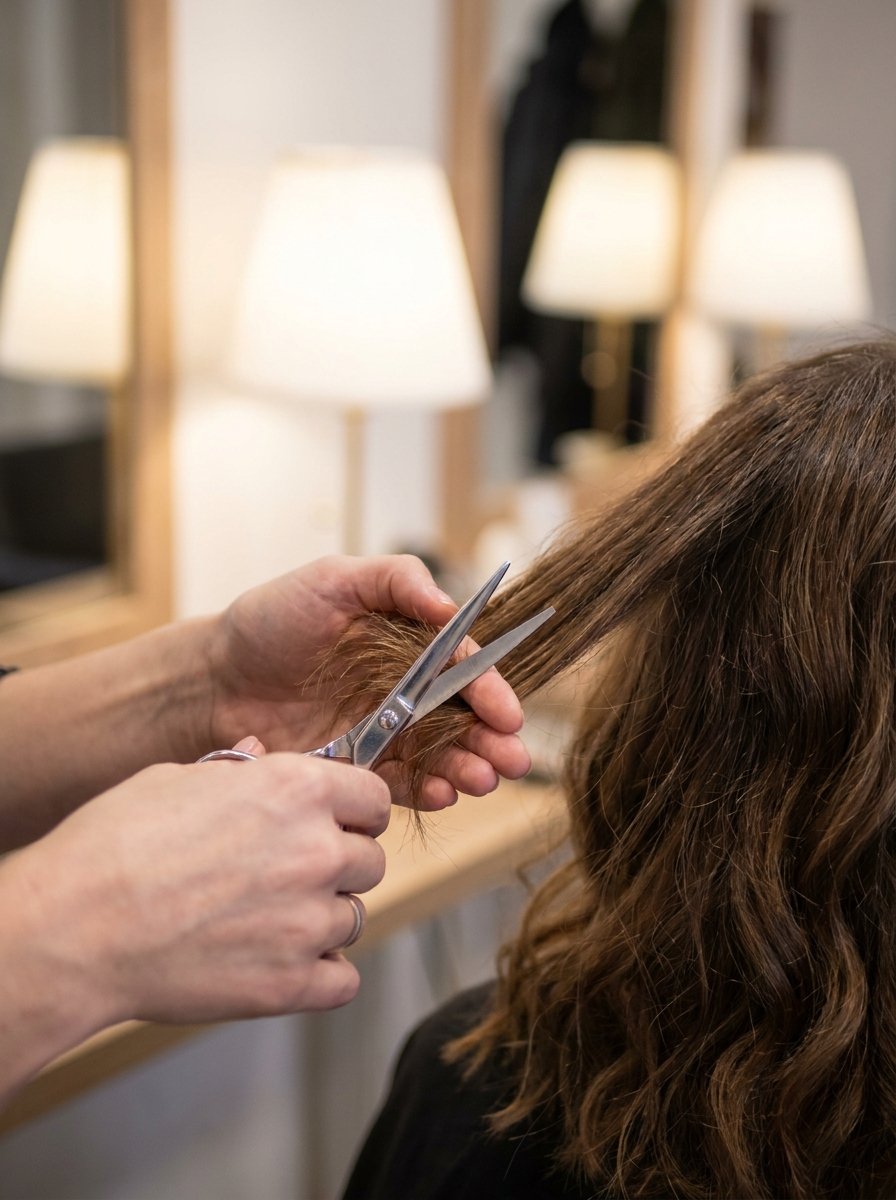
Rather than cutting straight across, angling your scissors slightly upward into the ends creates a softer, more natural line that hides small mistakes better than a blunt cut.
- Hold scissors at a slight angle into the ends of small sections
- Make small snipping motions rather than one straight cut
- This technique also helps disguise any remaining minor unevenness
Check the Back with Two Mirrors
The back of your head is the hardest area to judge alone, so take extra care here rather than guessing.
- Stand between two mirrors, one facing forward and one behind you
- Adjust the handheld mirror slowly to see the full back section
- Ask a friend or family member to double check if the angle feels impossible to see clearly
Know When to Stop and Call a Professional
If the unevenness is significant or involves layers and shaping rather than just length, it may be safer to stop after minor adjustments and let a stylist handle the rest. Small tweaks are usually safe to do yourself, but major reshaping carries more risk of making things worse.
Final Thoughts
Fixing an uneven haircut at home is very doable with patience, the right tools, and small, careful trims rather than one big cut. Take your time, recheck constantly, and stop as soon as both sides look balanced. Save this guide for later so you have a clear plan ready the next time a haircut does not turn out quite right.
Leave a Reply